


 Peržiūrėti realaus dydžio版
 Pasidalinti
 Dalintis
 Išsamiau
 Vadovas

 Atsisiųsti
 Panašūs eksponatai
 Rentgeno spindulių nuotrauka
 Automatinė diorama
 Q&A
Q&A Statistika
The Bridge

- 89.0 x 90.0 cm


 Skaityti daugiau
Giclée / Meno spausdinimas
Muziejų lygio „giclée“ arba drobos spausdinimas: greita gamyba ir lankstios apdailos parinktys. ( Pirkti rankų darbo tapybą Perejti prie skaitmeninių vaizdų)




P118B €10

P118H €10

P118W €10

P438Z €10

P508JH €12

P508YH €12

P805H €10

P805Z €10

P919BZ €10

P919G €10

P919XJ €10

P959ZH €10

P968JZ €12

W106C €8

W218G €10

W218JH €8

W218Y €10

W307PJ €10

W316G €10

W316PJ €8

W316Y €10

W398PJ €8

W4111J €10

W500HY €15

W500JH €15

W692G €12

W849H €8

W940BG €15

W953PJ €8




Pasirinkite iš mūsų nustatytų dydžių, atitinkančių originalaus meno kūrinio proporcijas.

Įveskite jums reikiamą plotį ir aukštį, kad atvaizdas derėtų prie jūsų rėmo ar sienos. Spausdiną galima tik sumažinti, bet nepadidinti virš originalaus paveikslėlio dydžio, todėl keičiant proporcijas, dalis vaizdo prarandama. Prieš spausdinimą atsiųsime jums skaitmeninį maketą patvirtinimui. Šioje puslapio nuotraukoje matomas pjūvis nėra tikslus – jį rodo tik maketas.
Pristatymas visame pasaulyje () per 2 weeks, o ne įprastas 4/5 savaičių laikotarpis. (31 spalis)

Nemokamas greitasis pristatymas visame pasaulyje

Aukštos kokybės lininis drobė

Pilnas siuntimo draudimas

Muitinės mokesčių grąžinimo garantija

Tikro spalvų atitikimo garantija

100 dienų grąžinimo politika (tik esant įtaigoms)

100% pinigų grąžinimo garantija

Nuolaida dideliems užsakymams
 Stiklo variantas prieinamas tik pasirinkus dydį iki 110 cm

The Bridge
Giclée / Meno spausdinimas
Reprodukcijos matmenys
-


Bendroji kaina
€ 57
A Window Into Expressionism: Examining Egon Schiele’s “The Bridge”
Egon Schiele’s “The Bridge,” painted in 1913, stands as a cornerstone of early 20th-century Expressionist art—a movement that sought to convey raw emotion and psychological intensity rather than merely depicting the external world. More than just a landscape scene, it's a profound meditation on human experience, rendered with Schiele’s distinctive blend of bold lines and unsettling realism.
- Historical Context: The painting emerged during a period of seismic change in European art history. Artists like Schiele were reacting against the academic conventions of their time, rejecting idealized representations for unflinching portrayals of human vulnerability and anxiety. The influence of Cubism is palpable in the geometric structuring of the bridge itself, demonstrating Schiele’s willingness to experiment with innovative artistic approaches.
- Composition & Symbolism: Schiele meticulously crafted a scene dominated by two figures—one standing rigidly, one seated passively—positioned beneath a starkly rendered bridge. The bridge serves as a powerful symbol of transition and connection, representing the precarious balance between stability and upheaval. Its angular lines emphasize this duality, mirroring the internal struggles reflected in the postures of the subjects.
- Technique: Executed in oil on canvas, “The Bridge” showcases Schiele’s masterful control over texture and color. Thick impasto brushstrokes contribute to a palpable sense of physicality, conveying both vulnerability and resilience. The muted palette—primarily browns and reds—intensifies the emotional impact of the artwork, creating an atmosphere of quiet contemplation punctuated by moments of unsettling tension.
- The Figure’s Significance: Notably, the seated figure is often interpreted as Schiele's self-portrait, embodying introspection and confronting mortality. The posture conveys a sense of stillness amidst inner turmoil—a characteristic motif in Schiele’s oeuvre that speaks to his preoccupation with existential themes.
- Legacy & Influence: “The Bridge” cemented Schiele’s reputation as one of the most important artists of his generation and profoundly impacted subsequent artistic movements, including Surrealism and Absurdism. Its uncompromising honesty and psychological depth continue to resonate with viewers today, reminding us of art's capacity to explore the darkest recesses of human consciousness.
A reproduction of “The Bridge” offers an exceptional opportunity to bring Schiele’s visionary aesthetic into your home or workspace—capturing not only its striking visual qualities but also the enduring emotional power that defines this iconic masterpiece.
Klausimai ir atsakymai
Ar „The Bridge“ kūrijas Egon Šylė žinomas에도 kitais vardais?
Kiti Egon Šylė, „The Bridge“ kūrybos autoriaus, vardai apima Leo Adolf Ludwig Šylė.
Kokia „The Bridge“ – Egon Šylė nuotaika yra apibūdinama?
„The Bridge“ dvelkia Dramatic atmosfera.
Kokia yra „The Bridge“ paletės ryškumas?
„The Bridge“ – Egon Šylė kūrinys pasižymi Balanced Soft nasyginimu.
panašūs kūriniai


Autoriaus biografija
Egon Schiele
Austrijos pozicija dviejų pasaulinio karo horizonte buvo labai abejojanti: vienu metu ji buvo šiek tiek iš Šiaurės į rytus, lengvai įsitikinusi veiksmų vyrai. Mažėjęs šalis po 1918 m., beveik visiškai neišplitusi tarptautiniu pasauliu buvo lengvai įvykdinta Hitlerio Reichui 1938 m.; meno srityje tai reiškė kad modernizmo istorija buvo išvykstanti nuo Šiaurės iki pietų, su pagrindiniu dėmesiu į formą. Vokelių šiek tiek pripažino ekspresionizmą kaip svarbų meno srovę; jis buvo vienas iš žymiausius austrių artistas XX amžiaus pradžioje – kartu su Gustavu Klimtu ir Oskar Kokoschka išvykę į Vieną buvo laikomas vienu iš Žyduvo šimtmečio svarbiausių vizualinių menininkų.
Gyvenimas
Egonas Šylė gimė 1890 m. vasario 3 d. Tulne, Austrijoje. Jo tėvas Adolfas Šylė buvo Tulno geležinkelio stoties direktorius ir gimė 1851 m. Vienoje Adolfo Šyly tevai turėjo tris jaunesnes seseris: Elvirą, Melaniją ir Gertrūdą. Elvira mirė vaikyste dėl gimtinių sifiliso. Jo tėvas buvo užsikrėtęs sifiliu įsimėlynėje savo jaunystės metais po vienos jo naujosios žmonos išėjimo iš kambario.
Meno vystymasis
Šylė mokytojo Christian Griepenkerl įtaką išgyveno Vienoje 1907 m. ir G. Klimtas tapo jo svarbiu rėmėju. Šylė paliko akademiją 1906 m., nes jos mokymo metodai buvo labai konservatyvus, ir įkūrė Naują austrių dailės grupę 1909 m. Grupėje vyravo ekspresionistinė estetika, kuri iššūkiant šiuolaikinėms kultūros normas.
Žymūs kūriniai
Šylė buvo vienas iš žymiausius austrių artistas XX amžiaus pradžioje – kartu su Gustavu Klimtu ir Oskar Kokoschka išvykę į Vieną buvo laikomas vienu iš Žyduvo šimtmečio svarbiausių vizualinių menininkų. Šylė buvo ekspresionizmo meno srovės atstovas.
Žymūs veiksniai
Šylė buvo žinomas dėl savo iššūkiantį įžiūrą į pasaulio problemas ir šiuolaikinę estetika, kuri iššūkiant šiuolaikinėms kultūros normas. Šylė buvo ekspresionizmo meno srovės atstovas.
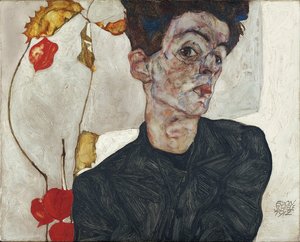
Egon Šylė
1890 - 1918 , Austrija
Trumpa informacija
- Artistic Movement Or Style: Ekspresionizmas
- Artists Who Influenced This Artist: ['Gustavas Klimtas']
- Date Of Birth: 1890 m.
- Date Of Death: 1918 m.
- Full Name: Egon Schiele
- Nationality: Austras
- Notable Artworks:
- Savęs portretas su fizižalis
- Porą įemčianti
- Žemės apėjimų kraštovaizdis
- Place Of Birth: Tulnas, Austrija
Susiję straipsniai

Cubist Expressionism for Hospitality Design: Integrating Geometric Structure with Emotional Depth
Elevate hospitality interiors with Cubist Expressionism. An expert guide for hotel designers on integrating geometric form and raw emotion through high-quality, custom-sized oil reproductions and large-scale multi-panel installations for professional art procurement.


