


 Peržiūrėti realaus dydžio版
 Siųsti
 Dalintis
 Išsamiau
 Vadovas

 Atsisiųsti
 Panašūs eksponatai
 Rentgeno spindulių nuotrauka
 Diaporama
 Statistika
The Dancer Moa


 Rodyti daugiau
Giclée / Meno spausdinimas
Muziejų lygio „giclée“ arba drobos spausdinimas: greita gamyba ir lankstios apdailos parinktys. ( Pirkti rankomis tapytą reprodukciją Perejti prie skaitmeninių vaizdų)




P118B €10

P118H €10

P118W €10

P438Z €10

P508JH €12

P508YH €12

P805H €10

P805Z €10

P919BZ €10

P919G €10

P919XJ €10

P959ZH €10

P968JZ €12

W106C €8

W218G €10

W218JH €8

W218Y €10

W307PJ €10

W316G €10

W316PJ €8

W316Y €10

W398PJ €8

W4111J €10

W500HY €15

W500JH €15

W692G €12

W849H €8

W940BG €15

W953PJ €8




Pasirinkite iš mūsų nustatytų dydžių, atitinkančių originalaus meno kūrinio proporcijas.

Įveskite jums reikiamą plotį ir aukštį, kad atvaizdas derėtų prie jūsų rėmo ar sienos. Spausdiną galima tik sumažinti, bet nepadidinti virš originalaus paveikslėlio dydžio, todėl keičiant proporcijas, dalis vaizdo prarandama. Prieš spausdinimą atsiųsime jums skaitmeninį maketą patvirtinimui. Šioje puslapio nuotraukoje matomas pjūvis nėra tikslus – jį rodo tik maketas.
Pristatymas visame pasaulyje () per 2 weeks, o ne įprastas 4/5 savaičių laikotarpis. (25 spalis)

Nemokamas greitasis pristatymas visame pasaulyje

Aukštos kokybės lininis drobė

Pilnas siuntimo draudimas

Muitinės mokesčių grąžinimo garantija

Tikro spalvų atitikimo garantija

100 dienų grąžinimo politika (tik esant įtaigoms)

100% pinigų grąžinimo garantija

Nuolaida dideliems užsakymams
 Stiklo variantas prieinamas tik pasirinkus dydį iki 110 cm

The Dancer Moa
Giclée / Meno spausdinimas
Reprodukcijos dydis
-


Visų pasirinktų variantų kaina
€ 56
A Dance with Shadows: Egon Schiele’s ‘The Dancer Moa’
Egon Schiele's “The Dancer Moa,” painted in 1911, is not merely a depiction of a woman in motion; it’s a raw, intensely personal exploration of the human condition – a dance with mortality and the unsettling beauty of vulnerability. This watercolor, rendered in bold, almost frantic strokes, immediately draws the viewer into a world saturated with color and brimming with an unspoken tension. The subject, a young woman enveloped in a vibrant red dress and a flowing blue scarf, appears caught in a moment of both grace and profound unease. Her arms are outstretched, suggesting movement and perhaps even a desperate reach, while her gaze is averted, hinting at a hidden story or a private sorrow.
Expressionist Roots: A Departure from Klimt
Schiele’s work during this period represents a significant departure from the decorative elegance of Gustav Klimt, his mentor. While Klimt employed shimmering gold and intricate patterns to create opulent surfaces, Schiele favored a more direct and emotionally charged approach. He rejected the polished surface in favor of visible brushstrokes—a deliberate act that emphasizes the physicality of painting itself. The loose application of watercolor, combined with the dark outlines defining the figure, creates an immediate sense of urgency and instability. This technique reflects Schiele’s fascination with the body's vulnerability and its capacity for both exquisite beauty and profound suffering – themes that would dominate much of his oeuvre.
Symbolism in Motion: Textiles as Vessels of Emotion
The rich textiles surrounding the dancer are crucial to understanding the painting’s layered meaning. The vibrant red dress, a color often associated with passion and danger, contrasts sharply with the cool blue scarf, suggesting a conflict between desire and restraint. These fabrics aren't simply decorative; they act as vessels for emotion, enveloping the figure in a cocoon of sensation. Schiele was deeply interested in the textures and patterns of clothing – he frequently incorporated them into his work to heighten the visual impact and imbue objects with symbolic weight. The swirling forms within the textiles seem to mirror the dancer’s own internal turmoil, suggesting that her movements are not just physical but also emotional.
A Portrait of Anxiety: Schiele's Personal Landscape
Painted in a period marked by personal tragedy – his sister Elvira died young and his father succumbed to illness – “The Dancer Moa” is often interpreted as a reflection of Schiele’s own anxieties about life, death, and the fragility of existence. The dancer's averted gaze and the overall sense of unease suggest a profound awareness of mortality. Schiele’s self-portraits, particularly those from this period, are frequently characterized by similar themes of introspection and psychological intensity. “The Dancer Moa” stands as a testament to his ability to translate deeply personal emotions into powerful visual forms. It's a hauntingly beautiful work that invites viewers to contemplate the complexities of human experience – a dance between joy and sorrow, strength and vulnerability, life and death.
AllPaintingsStore offers meticulously crafted hand-painted reproductions of Egon Schiele’s “The Dancer Moa,” allowing you to bring this evocative masterpiece into your home or office. Each reproduction is created by skilled artists using traditional techniques, ensuring the highest level of detail and authenticity. Explore our collection today and experience the raw emotion and artistic brilliance of one of Expressionism's most compelling figures.
问答 (or more naturally for a website heading): Klausimai ir atsakymai
Kokia yra „The Dancer Moa“ paletės ryškumas?
„The Dancer Moa“, autorius – Egon Šylė spalvų nasyginimas yra Balanced Soft. Nasyginimas apibūdina, kokių spalvos yra ryškių arba išblukusių.
Kokia yra „The Dancer Moa“, autorius – Egon Šylė dominuojanti spalva?
Putty (#ebe1c2) yra pagrindinė kūrinio „The Dancer Moa“, autorius – Egon Šylė spalva.
Kokį Egon Šylė kūrybos etapą atspindi „The Dancer Moa“?
„The Dancer Moa“ priklauso Egon Šylė kūrybos karjeros Early Period etapui. Ši klasifikacija susietas su kūrinio ryšiu su menininko evoliucija.
Susiję kūriniai


Autoriaus biografija
Egon Schiele
Austrijos pozicija dviejų pasaulinio karo horizonte buvo labai abejojanti: vienu metu ji buvo šiek tiek iš Šiaurės į rytus, lengvai įsitikinusi veiksmų vyrai. Mažėjęs šalis po 1918 m., beveik visiškai neišplitusi tarptautiniu pasauliu buvo lengvai įvykdinta Hitlerio Reichui 1938 m.; meno srityje tai reiškė kad modernizmo istorija buvo išvykstanti nuo Šiaurės iki pietų, su pagrindiniu dėmesiu į formą. Vokelių šiek tiek pripažino ekspresionizmą kaip svarbų meno srovę; jis buvo vienas iš žymiausius austrių artistas XX amžiaus pradžioje – kartu su Gustavu Klimtu ir Oskar Kokoschka išvykę į Vieną buvo laikomas vienu iš Žyduvo šimtmečio svarbiausių vizualinių menininkų.
Gyvenimas
Egonas Šylė gimė 1890 m. vasario 3 d. Tulne, Austrijoje. Jo tėvas Adolfas Šylė buvo Tulno geležinkelio stoties direktorius ir gimė 1851 m. Vienoje Adolfo Šyly tevai turėjo tris jaunesnes seseris: Elvirą, Melaniją ir Gertrūdą. Elvira mirė vaikyste dėl gimtinių sifiliso. Jo tėvas buvo užsikrėtęs sifiliu įsimėlynėje savo jaunystės metais po vienos jo naujosios žmonos išėjimo iš kambario.
Meno vystymasis
Šylė mokytojo Christian Griepenkerl įtaką išgyveno Vienoje 1907 m. ir G. Klimtas tapo jo svarbiu rėmėju. Šylė paliko akademiją 1906 m., nes jos mokymo metodai buvo labai konservatyvus, ir įkūrė Naują austrių dailės grupę 1909 m. Grupėje vyravo ekspresionistinė estetika, kuri iššūkiant šiuolaikinėms kultūros normas.
Žymūs kūriniai
Šylė buvo vienas iš žymiausius austrių artistas XX amžiaus pradžioje – kartu su Gustavu Klimtu ir Oskar Kokoschka išvykę į Vieną buvo laikomas vienu iš Žyduvo šimtmečio svarbiausių vizualinių menininkų. Šylė buvo ekspresionizmo meno srovės atstovas.
Žymūs veiksniai
Šylė buvo žinomas dėl savo iššūkiantį įžiūrą į pasaulio problemas ir šiuolaikinę estetika, kuri iššūkiant šiuolaikinėms kultūros normas. Šylė buvo ekspresionizmo meno srovės atstovas.
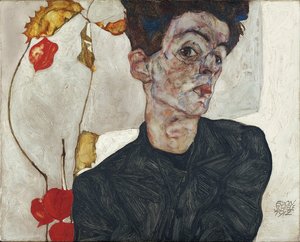
Egon Šylė
1890 - 1918 , Austrija
Trumpa informacija apie kūrėją
- Artistic Movement Or Style: Ekspresionizmas
- Artists Who Influenced This Artist: ['Gustavas Klimtas']
- Date Of Birth: 1890 m.
- Date Of Death: 1918 m.
- Full Name: Egon Schiele
- Nationality: Austras
- Notable Artworks:
- Savęs portretas su fizižalis
- Porą įemčianti
- Žemės apėjimų kraštovaizdis
- Place Of Birth: Tulnas, Austrija
Susiję straipsniai

Watercolor Art Guide: Mastering Transparency and Light for Professional Hospitality Decor
Elevate hospitality interiors with our professional guide to watercolor art. Discover how transparency and light enhance hotel decor through expert selection of high-quality, custom reproductions and large-scale murals tailored for designers and procurement managers.


