


 Peržiūrėti realaus dydžio版
 Pasidalinti
 Dalintis
 Išsamiau
 Vadovas

 Atsisiųsti
 Panašūs eksponatai
 Rentgeno spindulių nuotrauka
 Automatinė diorama
 问答
问答 Statistika
untitled (1348)


 Skaityti daugiau
Giclée / Meno spausdinimas
Muziejų lygio „giclée“ arba drobos spausdinimas: greita gamyba ir lankstios apdailos parinktys. ( Pirkti rankų darbo tapybą Perejti prie skaitmeninių vaizdų)




P118B €10

P118H €10

P118W €10

P438Z €10

P508JH €12

P508YH €12

P805H €10

P805Z €10

P919BZ €10

P919G €10

P919XJ €10

P959ZH €10

P968JZ €12

W106C €8

W218G €10

W218JH €8

W218Y €10

W307PJ €10

W316G €10

W316PJ €8

W316Y €10

W398PJ €8

W4111J €10

W500HY €15

W500JH €15

W692G €12

W849H €8

W940BG €15

W953PJ €8




Pasirinkite iš mūsų nustatytų dydžių, atitinkančių originalaus meno kūrinio proporcijas.

Įveskite jums reikiamą plotį ir aukštį, kad atvaizdas derėtų prie jūsų rėmo ar sienos. Spausdiną galima tik sumažinti, bet nepadidinti virš originalaus paveikslėlio dydžio, todėl keičiant proporcijas, dalis vaizdo prarandama. Prieš spausdinimą atsiųsime jums skaitmeninį maketą patvirtinimui. Šioje puslapio nuotraukoje matomas pjūvis nėra tikslus – jį rodo tik maketas.
Pristatymas visame pasaulyje () per 2 weeks, o ne įprastas 4/5 savaičių laikotarpis. (6 lapkritis)

Nemokamas greitasis pristatymas visame pasaulyje

Aukštos kokybės lininis drobė

Pilnas siuntimo draudimas

Muitinės mokesčių grąžinimo garantija

Tikro spalvų atitikimo garantija

100 dienų grąžinimo politika (tik esant įtaigoms)

100% pinigų grąžinimo garantija

Nuolaida dideliems užsakymams
 Stiklo variantas prieinamas tik pasirinkus dydį iki 110 cm

untitled (1348)
Giclée / Meno spausdinimas
Reprodukcijos matmenys
-


Bendroji kaina
€ 58
A Gaze Through the Veil of Existence
In the hauntingly beautiful monochrome sketch untitled (1348), Egon Schiele invites us into a profound confrontation with the human psyche. Created around 1918, during the twilight of his tragically short life and amidst the global upheaval of the First World War, this work serves as a visceral window into the soul. The subject—a solitary male figure—is captured in a moment of piercing intensity. His gaze does not merely observe the viewer; it pierces through the surface of the paper, demanding an emotional reckoning. There is an unsettling intimacy in the way Schiele positions the head and shoulders, forcing us to meet an expression that oscillates between profound vulnerability and a defiant, almost confrontational, strength.
The power of this piece lies in its masterful use of Expressionist technique, where the artist deliberately rejects the polished perfection of academic realism to prioritize raw, psychological truth. Schiele’s hand is visible in every jagged, angular line that defines the contours of the face and torso. Through a sophisticated application of hatching and cross-hatching, he creates depth and shadow without the need for color, using only the stark contrast of black and gray against a stark white void. These energetic, gestural marks do more than delineate form; they vibrate with a nervous energy, mirroring the internal tremors of anxiety and existential dread that characterized much of Schiele’s oeuvre.
The Architecture of Emotion and Shadow
Beyond its technical brilliance, untitled (1348) is a masterclass in symbolic minimalism. By stripping away the distractions of color, Schiele isolates the essential elements of human suffering and resilience. The monochromatic palette serves to amplify the dramatic impact of the composition, turning the artwork into a study of light and shadow that feels both timeless and immediate. The organic, often distorted shapes of the figure reflect the artist's preoccupation with the fragility of life—a theme deeply rooted in his personal history of loss and the broader cultural anxieties of early twentieth-century Vienna.
For the discerning collector or interior designer, this artwork offers a sophisticated focal point that commands attention through its quiet intensity. It is a piece that does not merely decorate a space but transforms it, providing a contemplative anchor for rooms designed for introspection and intellectual depth. Whether displayed in a modern gallery setting or as a striking element within a curated residential collection, Schiele’s work brings an unparalleled sense of historical gravity and emotional complexity. To possess a reproduction of such a seminal work is to hold a fragment of the Expressionist revolution, capturing that fleeting, beautiful moment where art transcends representation to become pure feeling.
Klausimai ir atsakymai
Iš kokio laikotarpio yra „untitled (1348)“?
„untitled (1348)“ – Egon Šylė sukurta Modern laikotarpiu. Šis laikotarpis suteikia kūriniui istorines aplinkybes.
Kokia technika ir stilius charakterizuoja „untitled (1348)“ – Egon Šylė?
„untitled (1348)“ sukurta naudojant Charcoal, Expressionist Style stiliuje.
Ar „untitled (1348)“ – Egon Šylė yra šviesaus ar tamsaus tono kūrinys?
„untitled (1348)“ bendroji ryškumas yra brilliant, o švytėjimas – Bright Balance.
panašūs kūriniai


Autoriaus biografija
Egon Schiele
Austrijos pozicija dviejų pasaulinio karo horizonte buvo labai abejojanti: vienu metu ji buvo šiek tiek iš Šiaurės į rytus, lengvai įsitikinusi veiksmų vyrai. Mažėjęs šalis po 1918 m., beveik visiškai neišplitusi tarptautiniu pasauliu buvo lengvai įvykdinta Hitlerio Reichui 1938 m.; meno srityje tai reiškė kad modernizmo istorija buvo išvykstanti nuo Šiaurės iki pietų, su pagrindiniu dėmesiu į formą. Vokelių šiek tiek pripažino ekspresionizmą kaip svarbų meno srovę; jis buvo vienas iš žymiausius austrių artistas XX amžiaus pradžioje – kartu su Gustavu Klimtu ir Oskar Kokoschka išvykę į Vieną buvo laikomas vienu iš Žyduvo šimtmečio svarbiausių vizualinių menininkų.
Gyvenimas
Egonas Šylė gimė 1890 m. vasario 3 d. Tulne, Austrijoje. Jo tėvas Adolfas Šylė buvo Tulno geležinkelio stoties direktorius ir gimė 1851 m. Vienoje Adolfo Šyly tevai turėjo tris jaunesnes seseris: Elvirą, Melaniją ir Gertrūdą. Elvira mirė vaikyste dėl gimtinių sifiliso. Jo tėvas buvo užsikrėtęs sifiliu įsimėlynėje savo jaunystės metais po vienos jo naujosios žmonos išėjimo iš kambario.
Meno vystymasis
Šylė mokytojo Christian Griepenkerl įtaką išgyveno Vienoje 1907 m. ir G. Klimtas tapo jo svarbiu rėmėju. Šylė paliko akademiją 1906 m., nes jos mokymo metodai buvo labai konservatyvus, ir įkūrė Naują austrių dailės grupę 1909 m. Grupėje vyravo ekspresionistinė estetika, kuri iššūkiant šiuolaikinėms kultūros normas.
Žymūs kūriniai
Šylė buvo vienas iš žymiausius austrių artistas XX amžiaus pradžioje – kartu su Gustavu Klimtu ir Oskar Kokoschka išvykę į Vieną buvo laikomas vienu iš Žyduvo šimtmečio svarbiausių vizualinių menininkų. Šylė buvo ekspresionizmo meno srovės atstovas.
Žymūs veiksniai
Šylė buvo žinomas dėl savo iššūkiantį įžiūrą į pasaulio problemas ir šiuolaikinę estetika, kuri iššūkiant šiuolaikinėms kultūros normas. Šylė buvo ekspresionizmo meno srovės atstovas.
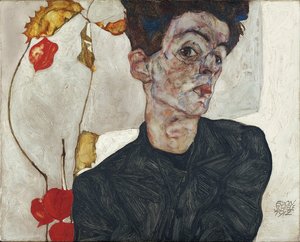
Egon Šylė
1890 - 1918 , Austrija
Trumpa informacija
- Artistic Movement Or Style: Ekspresionizmas
- Artists Who Influenced This Artist: ['Gustavas Klimtas']
- Date Of Birth: 1890 m.
- Date Of Death: 1918 m.
- Full Name: Egon Schiele
- Nationality: Austras
- Notable Artworks:
- Savęs portretas su fizižalis
- Porą įemčianti
- Žemės apėjimų kraštovaizdis
- Place Of Birth: Tulnas, Austrija
Susiję straipsniai

Mastering Charcoal: A Professional Guide to Texture and Depth for Large-Scale Interior Art Commissions
Discover professional techniques for mastering charcoal texture and depth. An expert guide for hotel designers and procurement managers looking to integrate high-impact monochrome art into large-scale hospitality projects with precision and scale.


