


 Peržiūrėti realaus dydžio版
 Siųsti
 Dalintis
 Išsamiau
 Vadovas

 Atsisiųsti
 Panašūs eksponatai
 Rentgeno spindulių nuotrauka
 Diaporama
 Statistika
untitled (608)

 Rodyti daugiau
Giclée / Meno spausdinimas
Muziejų lygio „giclée“ arba drobos spausdinimas: greita gamyba ir lankstios apdailos parinktys. ( Pirkti rankomis tapytą reprodukciją Perejti prie skaitmeninių vaizdų)




P118B €10

P118H €10

P118W €10

P438Z €10

P508JH €12

P508YH €12

P805H €10

P805Z €10

P919BZ €10

P919G €10

P919XJ €10

P959ZH €10

P968JZ €12

W106C €8

W218G €10

W218JH €8

W218Y €10

W307PJ €10

W316G €10

W316PJ €8

W316Y €10

W398PJ €8

W4111J €10

W500HY €15

W500JH €15

W692G €12

W849H €8

W940BG €15

W953PJ €8




Pasirinkite iš mūsų nustatytų dydžių, atitinkančių originalaus meno kūrinio proporcijas.

Įveskite jums reikiamą plotį ir aukštį, kad atvaizdas derėtų prie jūsų rėmo ar sienos. Spausdiną galima tik sumažinti, bet nepadidinti virš originalaus paveikslėlio dydžio, todėl keičiant proporcijas, dalis vaizdo prarandama. Prieš spausdinimą atsiųsime jums skaitmeninį maketą patvirtinimui. Šioje puslapio nuotraukoje matomas pjūvis nėra tikslus – jį rodo tik maketas.
Pristatymas visame pasaulyje () per 2 weeks, o ne įprastas 4/5 savaičių laikotarpis. (25 spalis)

Nemokamas greitasis pristatymas visame pasaulyje

Aukštos kokybės lininis drobė

Pilnas siuntimo draudimas

Muitinės mokesčių grąžinimo garantija

Tikro spalvų atitikimo garantija

100 dienų grąžinimo politika (tik esant įtaigoms)

100% pinigų grąžinimo garantija

Nuolaida dideliems užsakymams
 Stiklo variantas prieinamas tik pasirinkus dydį iki 110 cm

untitled (608)
Giclée / Meno spausdinimas
Reprodukcijos dydis
-


Visų pasirinktų variantų kaina
€ 56
A Quiet Intimacy: Decoding Egon Schiele’s Untitled Composition
Egon Schiele's untitled work, cataloged as (608), is a deeply introspective piece that encapsulates the artist’s signature style – a raw and emotionally charged exploration of human relationships. Rendered in stark black and white, the painting presents a woman seated in a chair, flanked by two children. The simplicity of the palette amplifies the emotional weight of the scene, stripping away any distraction from the figures themselves and their palpable sense of quietude. The woman, partially veiled or covered on her head, introduces an element of mystery; is she mourning, contemplating, or simply lost in thought? Her posture suggests a weariness, a burden carried with stoic grace. The children stand close, yet seem absorbed in their own worlds, creating a poignant tableau of familial connection and individual isolation. A handbag rests near the woman’s feet, a subtle detail that anchors the scene in domesticity while simultaneously hinting at a life lived beyond the confines of this room.The Expressionist Language of Line and Emotion
Schiele was a pivotal figure in Austrian Expressionism, a movement characterized by its rejection of traditional artistic values and its embrace of subjective experience. His work is instantly recognizable for its distorted figures, angular lines, and intense emotionality. In this particular piece, the artist’s masterful draftsmanship is on full display. The lines are not merely descriptive; they *are* the emotion. They twist and turn, conveying a sense of unease and vulnerability. Notice how Schiele uses line to define form, but also to suggest movement and psychological tension. The figures aren't idealized or prettified; instead, they are presented with an unflinching honesty that borders on discomfort. This deliberate rawness is central to Schiele’s artistic vision – a desire to expose the inner turmoil and anxieties of modern life. The black and white medium further enhances this effect, creating a sense of starkness and immediacy. It's a technique reminiscent of photography of the era, yet imbued with the expressive power of painting.A Life Marked by Loss and Longing
To understand Schiele’s art is to understand his life – a short one tragically cut short by the Spanish Flu in 1918 at just 28 years old. His childhood was marked by loss; the early death of his father from syphilis cast a long shadow over his upbringing, and he experienced a complex relationship with his maternal uncle who became his guardian. These experiences undoubtedly informed the melancholic tone that pervades much of his work. Schiele’s paintings often explore themes of sexuality, mortality, and alienation – subjects considered taboo at the time. He was even briefly imprisoned for obscenity due to the explicit nature of some of his drawings. This societal rejection only served to reinforce his outsider status and fueled his artistic rebellion. The woman in this untitled composition can be seen as a reflection of Schiele’s own anxieties about relationships, loss, and the fragility of life. The children may represent innocence lost or the hope for future generations.Interior Harmony: Integrating Schiele's Vision
A reproduction of this work would lend itself beautifully to a variety of interior settings. Its monochromatic palette makes it incredibly versatile, complementing both modern and traditional décor styles. Imagine it gracing the wall of a study, creating a contemplative atmosphere conducive to thought and reflection. Or perhaps in a living room, serving as a striking focal point that sparks conversation. The painting’s intimate scale would also make it well-suited for smaller spaces, such as bedrooms or hallways. The emotional depth of Schiele's work adds a layer of sophistication and intellectual curiosity to any environment. It is not merely decorative; it is an invitation to engage with the complexities of the human condition. Choosing a hand-painted reproduction ensures that you capture the nuances of Schiele’s brushwork and the raw emotional power of his vision.问答 (or more naturally for a website heading): Klausimai ir atsakymai
Ar studentams skirtas informacinis lapelis apie „untitled (608)“, autorius – Egon Šylė yra prieinamas?
Dėl „untitled (608)“, autorius – Egon Šylė yra prieinama Gidas puslapio: spausdinamas informacinis lapelis apie kūrinį, skirtas studentams ir mokomajamiam procesui klasėje.
Kokio dydžio „untitled (608)“ spausdinimas tiktų mano kambariui?
Living Room erdvėje „untitled (608)“ siūloma spausdinti Large dydžiu.
Kiek ryški yra „untitled (608)“ spalva?
Kūrinys „untitled (608)“, autorius – Egon Šylė užfiksuotas su Subtle Color nasyginimu ir Balanced intensyvumu.
Susiję kūriniai


Autoriaus biografija
Egon Schiele
Austrijos pozicija dviejų pasaulinio karo horizonte buvo labai abejojanti: vienu metu ji buvo šiek tiek iš Šiaurės į rytus, lengvai įsitikinusi veiksmų vyrai. Mažėjęs šalis po 1918 m., beveik visiškai neišplitusi tarptautiniu pasauliu buvo lengvai įvykdinta Hitlerio Reichui 1938 m.; meno srityje tai reiškė kad modernizmo istorija buvo išvykstanti nuo Šiaurės iki pietų, su pagrindiniu dėmesiu į formą. Vokelių šiek tiek pripažino ekspresionizmą kaip svarbų meno srovę; jis buvo vienas iš žymiausius austrių artistas XX amžiaus pradžioje – kartu su Gustavu Klimtu ir Oskar Kokoschka išvykę į Vieną buvo laikomas vienu iš Žyduvo šimtmečio svarbiausių vizualinių menininkų.
Gyvenimas
Egonas Šylė gimė 1890 m. vasario 3 d. Tulne, Austrijoje. Jo tėvas Adolfas Šylė buvo Tulno geležinkelio stoties direktorius ir gimė 1851 m. Vienoje Adolfo Šyly tevai turėjo tris jaunesnes seseris: Elvirą, Melaniją ir Gertrūdą. Elvira mirė vaikyste dėl gimtinių sifiliso. Jo tėvas buvo užsikrėtęs sifiliu įsimėlynėje savo jaunystės metais po vienos jo naujosios žmonos išėjimo iš kambario.
Meno vystymasis
Šylė mokytojo Christian Griepenkerl įtaką išgyveno Vienoje 1907 m. ir G. Klimtas tapo jo svarbiu rėmėju. Šylė paliko akademiją 1906 m., nes jos mokymo metodai buvo labai konservatyvus, ir įkūrė Naują austrių dailės grupę 1909 m. Grupėje vyravo ekspresionistinė estetika, kuri iššūkiant šiuolaikinėms kultūros normas.
Žymūs kūriniai
Šylė buvo vienas iš žymiausius austrių artistas XX amžiaus pradžioje – kartu su Gustavu Klimtu ir Oskar Kokoschka išvykę į Vieną buvo laikomas vienu iš Žyduvo šimtmečio svarbiausių vizualinių menininkų. Šylė buvo ekspresionizmo meno srovės atstovas.
Žymūs veiksniai
Šylė buvo žinomas dėl savo iššūkiantį įžiūrą į pasaulio problemas ir šiuolaikinę estetika, kuri iššūkiant šiuolaikinėms kultūros normas. Šylė buvo ekspresionizmo meno srovės atstovas.
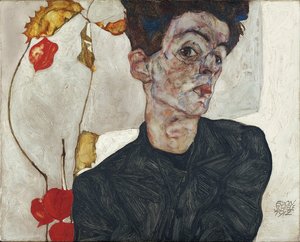
Egon Šylė
1890 - 1918 , Austrija
Trumpa informacija apie kūrėją
- Artistic Movement Or Style: Ekspresionizmas
- Artists Who Influenced This Artist: ['Gustavas Klimtas']
- Date Of Birth: 1890 m.
- Date Of Death: 1918 m.
- Full Name: Egon Schiele
- Nationality: Austras
- Notable Artworks:
- Savęs portretas su fizižalis
- Porą įemčianti
- Žemės apėjimų kraštovaizdis
- Place Of Birth: Tulnas, Austrija
Susiję straipsniai

Dark Masterpieces: 10 Iconic Paintings Dominated by Black Tones |
Explore 10 iconic paintings dominated by black tones, from Rembrandt’s chiaroscuro to Goya's dark expressions. Discover the stories behind these masterpieces & find museum-quality art reproductions for your home at .

Egon Schiele: Expressionism, Anxiety & the Modern Condition – A Comprehensive Exploration
Explore the emotionally charged world of Egon Schiele (1890-1918). Discover his Expressionist masterpieces, psychological themes, and lasting impact on modern art. A comprehensive guide for collectors & enthusiasts.

White on Canvas: 10 Masterpieces & Timeless Elegance for Your Home Decor
Explore 10 iconic white paintings by Monet, Whistler & Rothko! Discover the stories behind these serene masterpieces and their impact on art history. Find museum-quality reproductions for your home decor at .
Egon Schiele: 25 Šedevrai, Atspindintys Menininko Sielą | AllPaintingsStore.lt
Atraskite 25 įspūdingiausius Egon Schiele šedevrus! Gilinkitės į ekspresionizmo pasaulį, portretų istorijas ir unikalią menininko spalvų paletę. Aukštos kokybės reprodukcijos interjerui – AllPaintingsStore.lt

Ekspresionizmo Deimantai: 10 Šedevrai Jūsų Namų Dekorui
Atraskite ekspresionizmo šedevrus! 10 įtakingiausių meno kūrinių, atskleisiančių Muncho, Kirchnerio ir kitų meistrų emocijas. Išmokite apie tapybos stilius bei spalvų paletę. Aukščiausios kokybės dailės reprodukcijos jūsų namams – AllPaintingsStore.com.


