


 Peržiūrėti realaus dydžio版
 Siųsti
 Dalintis
 Išsamiau
 Vadovas

 Atsisiųsti
 Panašūs eksponatai
 Rentgeno spindulių nuotrauka
 Diaporama
 Statistika
untitled (7630)

 Rodyti daugiau
Giclée / Meno spausdinimas
Muziejų lygio „giclée“ arba drobos spausdinimas: greita gamyba ir lankstios apdailos parinktys. ( Pirkti rankomis tapytą reprodukciją Perejti prie skaitmeninių vaizdų)




P118B €10

P118H €10

P118W €10

P438Z €10

P508JH €12

P508YH €12

P805H €10

P805Z €10

P919BZ €10

P919G €10

P919XJ €10

P959ZH €10

P968JZ €12

W106C €8

W218G €10

W218JH €8

W218Y €10

W307PJ €10

W316G €10

W316PJ €8

W316Y €10

W398PJ €8

W4111J €10

W500HY €15

W500JH €15

W692G €12

W849H €8

W940BG €15

W953PJ €8




Pasirinkite iš mūsų nustatytų dydžių, atitinkančių originalaus meno kūrinio proporcijas.

Įveskite jums reikiamą plotį ir aukštį, kad atvaizdas derėtų prie jūsų rėmo ar sienos. Spausdiną galima tik sumažinti, bet nepadidinti virš originalaus paveikslėlio dydžio, todėl keičiant proporcijas, dalis vaizdo prarandama. Prieš spausdinimą atsiųsime jums skaitmeninį maketą patvirtinimui. Šioje puslapio nuotraukoje matomas pjūvis nėra tikslus – jį rodo tik maketas.
Pristatymas visame pasaulyje () per 2 weeks, o ne įprastas 4/5 savaičių laikotarpis. (27 spalis)

Nemokamas greitasis pristatymas visame pasaulyje

Aukštos kokybės lininis drobė

Pilnas siuntimo draudimas

Muitinės mokesčių grąžinimo garantija

Tikro spalvų atitikimo garantija

100 dienų grąžinimo politika (tik esant įtaigoms)

100% pinigų grąžinimo garantija

Nuolaida dideliems užsakymams
 Stiklo variantas prieinamas tik pasirinkus dydį iki 110 cm

untitled (7630)
Giclée / Meno spausdinimas
Reprodukcijos dydis
-


Visų pasirinktų variantų kaina
€ 56
A Stark Portrait of Isolation: Unveiling Egon Schiele's "Untitled (7630)"
Egon Schiele’s “Untitled (7630),” a deceptively simple black and white composition, is far more than a depiction of a modest house with a steeple. It’s a concentrated distillation of anxiety, mortality, and the profound loneliness that permeated the artist's life and work. Created around 1912-1914, during a period of intense personal turmoil and artistic experimentation, this painting offers a haunting glimpse into Schiele’s psychological landscape – a world where architectural solidity clashes with an underlying sense of unease. The photograph itself presents a stark, almost photographic quality, emphasizing the textures of the building materials and the subtle shifts in light and shadow, lending it a timelessness that belies its intensely personal origins.
Architectural Echoes and Symbolism’s Weight
The scene is dominated by a modest dwelling, its yellow roof a small beacon of warmth against the muted tones. The presence of multiple chimneys speaks to both domesticity and perhaps a hint of confinement – a suggestion that this space, while providing shelter, also holds within it a sense of restriction. A clock hangs prominently on the wall, an insistent reminder of time’s relentless march, further amplifying the painting's themes of mortality and the fleeting nature of existence. The steeple in the background, a traditional symbol of faith and stability, seems oddly isolated, almost dwarfed by the surrounding structures, mirroring the protagonist’s own feeling of being adrift. Schiele frequently employed architectural elements to explore themes of confinement and isolation, using them as visual metaphors for the psychological states he sought to capture.
- The House: Represents stability, but also potential entrapment.
- The Steeple: Symbolizes faith and tradition, juxtaposed with the painting’s overall sense of unease.
- The Clock: A potent symbol of time's passage and the inevitability of death.
Schiele’s Expressionist Vision – Line and Emotion
Executed in a monochrome palette, “Untitled (7630)” exemplifies Schiele’s signature style: bold, expressive lines that convey raw emotion rather than precise representation. The artist's use of line is particularly striking—thick, gestural strokes define the contours of the buildings and create a sense of dynamism within the static composition. This technique, deeply rooted in Expressionism, allows him to imbue the scene with an almost palpable feeling of tension and vulnerability. Schiele’s meticulous attention to detail, particularly in rendering the textures of the walls and roof tiles, adds another layer of complexity to the work, highlighting the contrast between the rough materiality of the buildings and the underlying emotional turmoil.
A Window into a Troubled Soul
Born in Vienna in 1890, Egon Schiele’s life was tragically short, cut short by illness and war. His early exposure to loss—the deaths of his father and sister—deeply impacted his artistic vision, fueling an obsession with mortality and the fragility of human existence. “Untitled (7630)” can be interpreted as a reflection of this personal experience, capturing a sense of isolation and vulnerability that resonates powerfully across time. The painting’s quiet intensity invites viewers to contemplate the darker aspects of the human condition—the anxieties, fears, and uncertainties that lie beneath the surface of everyday life. Reproductions of this work offer a unique opportunity to engage with Schiele's intensely personal vision, allowing us to connect with his emotional world on a profound level.
To explore more about Egon Schiele’s life and art, we encourage you to visit the artwork database or discover the Egon Schiele Art Centrum in Český Krumlov.
问答 (or more naturally for a website heading): Klausimai ir atsakymai
Kokia yra „untitled (7630)“ tema ir kokią atmosferą ji sukuria?
„untitled (7630)“, autorius – Egon Šylė sujungia house, steeple, blackwhite, clock, architecture, rural, mortality ir Dramatic atmosferą.
Kiek harmoningai dera „untitled (7630)“, autorius – Egon Šylė spalvos?
„untitled (7630)“, autorius – Egon Šylė spalvos于demonstruoja Unified Palette harmoniją. Harmonija apibūdina, kaip spalvos dera viena su kita.
Ar „untitled (7630)“, autorius – Egon Šylė vaizdą galima laisvai reprodukcijaoti?
„untitled (7630)“, autorius – Egon Šylė yra pripa принадле belongs to the public domain – jo autorinė teisė pasibaigusi. Šis statusas nustato, kaip galima reprodukcijaus šio kūrinio vaizdą.
Susiję kūriniai


Autoriaus biografija
Egon Schiele
Austrijos pozicija dviejų pasaulinio karo horizonte buvo labai abejojanti: vienu metu ji buvo šiek tiek iš Šiaurės į rytus, lengvai įsitikinusi veiksmų vyrai. Mažėjęs šalis po 1918 m., beveik visiškai neišplitusi tarptautiniu pasauliu buvo lengvai įvykdinta Hitlerio Reichui 1938 m.; meno srityje tai reiškė kad modernizmo istorija buvo išvykstanti nuo Šiaurės iki pietų, su pagrindiniu dėmesiu į formą. Vokelių šiek tiek pripažino ekspresionizmą kaip svarbų meno srovę; jis buvo vienas iš žymiausius austrių artistas XX amžiaus pradžioje – kartu su Gustavu Klimtu ir Oskar Kokoschka išvykę į Vieną buvo laikomas vienu iš Žyduvo šimtmečio svarbiausių vizualinių menininkų.
Gyvenimas
Egonas Šylė gimė 1890 m. vasario 3 d. Tulne, Austrijoje. Jo tėvas Adolfas Šylė buvo Tulno geležinkelio stoties direktorius ir gimė 1851 m. Vienoje Adolfo Šyly tevai turėjo tris jaunesnes seseris: Elvirą, Melaniją ir Gertrūdą. Elvira mirė vaikyste dėl gimtinių sifiliso. Jo tėvas buvo užsikrėtęs sifiliu įsimėlynėje savo jaunystės metais po vienos jo naujosios žmonos išėjimo iš kambario.
Meno vystymasis
Šylė mokytojo Christian Griepenkerl įtaką išgyveno Vienoje 1907 m. ir G. Klimtas tapo jo svarbiu rėmėju. Šylė paliko akademiją 1906 m., nes jos mokymo metodai buvo labai konservatyvus, ir įkūrė Naują austrių dailės grupę 1909 m. Grupėje vyravo ekspresionistinė estetika, kuri iššūkiant šiuolaikinėms kultūros normas.
Žymūs kūriniai
Šylė buvo vienas iš žymiausius austrių artistas XX amžiaus pradžioje – kartu su Gustavu Klimtu ir Oskar Kokoschka išvykę į Vieną buvo laikomas vienu iš Žyduvo šimtmečio svarbiausių vizualinių menininkų. Šylė buvo ekspresionizmo meno srovės atstovas.
Žymūs veiksniai
Šylė buvo žinomas dėl savo iššūkiantį įžiūrą į pasaulio problemas ir šiuolaikinę estetika, kuri iššūkiant šiuolaikinėms kultūros normas. Šylė buvo ekspresionizmo meno srovės atstovas.
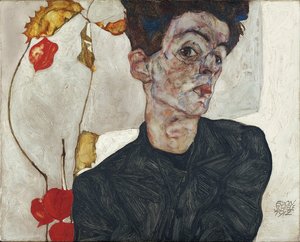
Egon Šylė
1890 - 1918 , Austrija
Trumpa informacija apie kūrėją
- Artistic Movement Or Style: Ekspresionizmas
- Artists Who Influenced This Artist: ['Gustavas Klimtas']
- Date Of Birth: 1890 m.
- Date Of Death: 1918 m.
- Full Name: Egon Schiele
- Nationality: Austras
- Notable Artworks:
- Savęs portretas su fizižalis
- Porą įemčianti
- Žemės apėjimų kraštovaizdis
- Place Of Birth: Tulnas, Austrija
Susiję straipsniai
Monochrome Visions: Exploring the Aesthetic & Historical Significance of Black & White Photography
Explore the rich history & artistic power of black and white photography. From early techniques to iconic masters like Ansel Adams, discover why monochrome continues to captivate art lovers today. Expert insights for collectors.

Dark Masterpieces: 10 Iconic Paintings Dominated by Black Tones |
Explore 10 iconic paintings dominated by black tones, from Rembrandt’s chiaroscuro to Goya's dark expressions. Discover the stories behind these masterpieces & find museum-quality art reproductions for your home at .

Egon Schiele: Expressionism, Anxiety & the Modern Condition – A Comprehensive Exploration
Explore the emotionally charged world of Egon Schiele (1890-1918). Discover his Expressionist masterpieces, psychological themes, and lasting impact on modern art. A comprehensive guide for collectors & enthusiasts.
Egon Schiele: 25 Šedevrai, Atspindintys Menininko Sielą | AllPaintingsStore.lt
Atraskite 25 įspūdingiausius Egon Schiele šedevrus! Gilinkitės į ekspresionizmo pasaulį, portretų istorijas ir unikalią menininko spalvų paletę. Aukštos kokybės reprodukcijos interjerui – AllPaintingsStore.lt

White on Canvas: 10 Masterpieces & Timeless Elegance for Your Home Decor
Explore 10 iconic white paintings by Monet, Whistler & Rothko! Discover the stories behind these serene masterpieces and their impact on art history. Find museum-quality reproductions for your home decor at .


