1499. Kreida, 38.0 x 26.0 cm.

§ 1Katalogo duomenys

- 38.0 x 26.0 cm


§ 2Abstraktus
Kolekcinio objekto aprašas
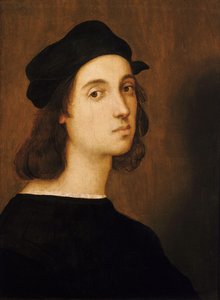
Explore Raphael's introspective 'Self-Portrait' (1499). A chalk drawing housed at the Uffizi, it offers a glimpse into the Renaissance master's artistic vision and early talent.
 Skaityti daugiau
Autoriaus biografija
Atėnų mokyklos Aukštojo Renesanso meistras. Atraskite legendines Madonas ir nuostabius Vatiko freskas jau šiandien.
§ 3Komentaras
Self Portrait by Raphael: A Glimpse into the Artist's Soul
Raphael’s "Self-Portrait," created around 1499 and residing in the Uffizi Gallery, Florence, is more than just a likeness; it's an intimate window into the mind of one of the High Renaissance's most celebrated masters. This chalk drawing, measuring 38 x 26 cm, offers a rare glimpse into Raphael’s self-perception during his formative years, revealing a young artist poised on the cusp of greatness.
Style and Technique: Early Mastery
The artwork exemplifies Raphael's early style, heavily influenced by his apprenticeship under Perugino. The choice of chalk as a medium lends an immediate sense of delicacy and immediacy to the portrait. Unlike oil paintings that allow for layering and blending, chalk demands precision and directness. Raphael’s masterful handling of the material showcases his ability to capture subtle nuances in expression and texture with remarkable skill. Notice how he uses varying degrees of pressure to create tonal shifts, defining the contours of his face and the fall of his hair. The unfinished quality of certain areas—particularly around the hairline and collar—hints at this being a study or preparatory sketch rather than a fully realized finished work.
Historical Context: A Young Artist Ascending
This self-portrait was created during a pivotal period in Raphael’s career, shortly before his move to Florence. He had already established himself as a successful artist in Umbria but sought new artistic influences and opportunities in the vibrant cultural hub of Florence. The portrait reflects this transitional phase—a young man confident in his abilities yet eager to learn and evolve. The High Renaissance was characterized by a renewed interest in classical art and humanism, and Raphael’s work embodies these ideals through its emphasis on balance, harmony, and idealized beauty. This self-portrait can be seen as an early declaration of his artistic ambitions within this flourishing cultural landscape.
Symbolism and Emotional Impact: Introspection and Confidence
The portrait's symbolism is subtle yet profound. Raphael’s direct gaze conveys a sense of quiet confidence and introspection. The simple attire—a dark cap and robe—suggests a focus on his craft rather than worldly status. His expression is serious, almost contemplative, hinting at the intellectual depth that would characterize his later works. While not overtly emotional, the portrait evokes a feeling of serene self-assurance – a young man fully aware of his talent and potential. The lack of background further emphasizes Raphael's face, drawing the viewer’s attention to his expression and creating an intimate connection with the artist across centuries.
Legacy: A Timeless Reflection
Raphael’s "Self-Portrait" remains a treasured masterpiece, offering invaluable insight into the life and artistic development of one of history's greatest painters. It serves as a testament to his early mastery of technique and foreshadows the brilliance that would define his career. The portrait continues to inspire artists and art enthusiasts alike, reminding us of the power of self-reflection and the enduring legacy of Renaissance artistry.
Klausimai ir atsakymai
Kokio dydžio „Self Portrait“ – Rafaelas spausdinimas tinka rekomenduojamai patalpai?
Rekomenduojamas „Self Portrait“ – Rafaelas spausdinimo dydis Popieriaus svetainė erdvei yra Vidutinis dydis.
Į kokį meno kryžminę ir kokį laikotarpį priskiriama „Self Portrait“ – Rafaelas?
„Self Portrait“ priklauso Aukštųjų Renesanso krypčiai, o jo kūrėjas dirbo Renesansas laikotarpiu.
Kokia bendra "Self Portrait" spalvų tonacija – šviesi ar tamsi?
Perceptinio ryškumo prasme, „Self Portrait“ – Rafaelas yra žibesintis.


 Perjungti į spausdinamus版作品


 Dėl meno kūrinių ar reprodukcijų, kurių bet kuri pusė yra didesnė nei 105 cm (apie 41 inch), rėmas bus siunčiamas kaip išskaidytas surinkimo rinkinys. Šis metodas užtikrina saugų pristatymą ir apsaugo nuo transportavimo metu galimos žalos.