


 Bekijk op ware grootte
 Verstuur
 Delen
Delen
 Details bekijken
 Gids voor studentenkunstwerken

 Download
 Vergelijkbare items
 Röntgenonderzoek
 Diavoorstelling
 Statistieken
Mountain Forest
 Oil On Canvas
- WallArt
- German Expressionism
 1920
1920 119.0 x 90.0 cm
 Lees meer
Handgemaakte olieverfreproductie
Met de hand geschilderd in olieverf op canvas in uw gewenste maat en lijst, op bestelling gemaakt door onze kunstenaars. ( Schakel over naar print Schakel over naar digitale afbeeldingen)




P118B €10

P118H €10

P118W €10

P438Z €10

P508JH €12

P508YH €12

P805H €10

P805Z €10

P919BZ €10

P919G €10

P919XJ €10

P959ZH €10

P968JZ €12

W106C €8

W218G €10

W218JH €8

W218Y €10

W307PJ €10

W316G €10

W316PJ €8

W316Y €10

W398PJ €8

W4111J €10

W500HY €15

W500JH €15

W692G €12

W849H €8

W940BG €15

W953PJ €8




Kies uit onze vooraf ingestelde maten die overeenkomen met de originele verhoudingen van het kunstwerk.

Voer de breedte en de hoogte in die u nodig heeft, passend bij uw lijst of uw muur. Dit is handgeschilderd, dus bij een afmeting met een andere vormverhouding kan de kunstenaar iets meer rondom het schilderij schilderen of juist iets meer weglaten — u kiest zelf. Wij sturen u een digitaal mockup ter goedkeuring voordat het schilderwerk begint. De afbeelding die op deze pagina wordt getoond, is niet het uiteindelijke resultaat — alleen de mockup geeft dit weer.
Na de bestelling zal het team van AllPaintingsStore.com per e-mail contact opnemen met de klant voor instructies en een mockup-voorbeeld sturen.
Wereldwijde levering () binnen 3 tot 4 weken in plaats van de standaard 5 weken. (23 oktober). Zonder concessies aan de kwaliteit.

Gratis wereldwijde expressverzending

Hoogwaardig linnen canvas

Volledige verzendverzekering

Garantie op terugbetaling van invoerrechten

Garantie op exacte kleurweergave

Retourbeleid van 100 dagen (alleen bij defecten)

100% Geld-terug-garantie

Korting bij meerdere afnames
 De optie voor glas is alleen beschikbaar bij een formaat kleiner dan 110 cm.

Mountain Forest
Reproductiemethode
Formaat reproductie
-


Totaalprijs
€ 227
The Luminous Embrace of Nature in Kirchner's Vision
To stand before this depiction, "Mountain Forest," is to step through a veil into a vibrant, almost feverish dreamscape of the natural world. Ernst Ludwig Kirchner, master of German Expressionism, has captured more than just a woodland scene; he has bottled an emotional resonance—the exhilarating, sometimes overwhelming, feeling of immersion in nature. The canvas pulses with life, a tapestry woven from lush greens and punctuated by bursts of unexpected color from the abundant flora. It is a journey rendered visible, inviting the viewer to wander down the depicted path as if their own footsteps were about to tread upon the painted earth.
Technique and the Expressionist Brushstroke
Kirchner’s handling of paint here is masterful in its apparent spontaneity. While the subject matter—a forest teeming with life, featuring figures strolling along a winding way—suggests tranquility, the technique itself speaks to an underlying energy. The brushstrokes are not merely descriptive; they are emotive. They possess a distinct vigor, giving dimension and depth that seems almost palpable. Observe how the varied foliage is rendered: it is rich, layered, and deeply saturated, suggesting both the density of the woods and the sheer joy of discovery found within them. This large scale allows the artist to envelop the viewer, making the forest feel vast and immediate.
Historical Echoes: Modernity Amidst Wilderness
Painted in 1920, this work emerges from a period of profound societal upheaval for Germany. Kirchner’s art often wrestled with the anxieties of modern urban life, yet here, he finds solace—or perhaps an escape—within the embrace of the forest. The presence of figures within the scene is telling; they are not merely decorative elements but participants in a shared experience. They suggest a yearning for connection, a retreat from the industrial clamor that characterized the early 20th century. The woods become a sanctuary, a place where the raw spirit can breathe.
Symbolism of the Path and the Bloom
The pathway itself functions as a potent symbol—the journey of life, the passage through experience. It draws the eye deep into the composition, promising revelation around every bend. Complementing this sense of movement are the flowers; they are not painted with delicate realism but with an almost ecstatic vibrancy. These blooms represent moments of pure, unadulterated beauty, punctuating the deeper mystery of the woods. For the collector or designer, this piece offers more than mere decoration; it is a focal point imbued with narrative—a reminder to seek out the vibrant pockets of joy in one's own journey.
Bringing the Forest Home
Reproducing such an emotionally charged work requires sensitivity to Kirchner’s original intensity. Owning a reproduction of "Mountain Forest" allows one to curate a space that feels both deeply rooted and vibrantly alive. It is ideal for those who appreciate art that speaks in feeling rather than just form—a piece that will draw conversation, evoke wanderlust, and infuse any room with the rich, complex beauty of an untamed natural spirit.
Vragen & Antwoorden
Heeft "Mountain Forest" een augmented reality-preview?
"Mountain Forest" door Ernst Ludwig Kirchner kan worden voorgeproefd op uw eigen muur via de AR-voorvertoning-pagina van het kunstwerk, met behulp van augmented reality op een compatibel apparaat.
Waarvoor wordt het gebruik van "Mountain Forest" door Ernst Ludwig Kirchner aanbevolen?
Het voorgestelde gebruik voor "Mountain Forest" door Ernst Ludwig Kirchner is Focal. Het kan ook voor andere doeleinden dienen.
Hoe kan ik de afbeelding van "Mountain Forest" door Ernst Ludwig Kirchner downloaden?
De afbeelding van "Mountain Forest" door Ernst Ludwig Kirchner kan worden gedownload via de Downloaden pagina van het kunstwerk: een download van een digitale afbeelding in hoge resolutie.
Gerelateerde kunstwerken


Biografie van de kunstenaar
A Life Forged in Expression: The World of Ernst Ludwig Kirchner
Ernst Ludwig Kirchner, een naam die synoniem staat voor de rauwe emotionele kracht van het Duitse expressionisme, werd geboren in een wereld op het punt van dramatische verandering. Zijn komst naar Aschaffenburg, Beieren, in 1880, markeerde het begin van een leven diep verweven met artistieke innovatie en persoonlijke strijd. De verschuivende landschappen van zijn jeugd – bepaald door de beroepen van zijn vader – zaaiden een gevoel van vervreemding in hem, dat later terugkeerde in zijn kunst. Van Frankfurt naar Perlen, en uiteindelijk vestigde hij zich in Chemnitz, absorbeerde jonge Kirchner de groeiende angsten van een snel moderniserend Duitsland. Hoewel hij aanvankelijk werd geleid naar architectuur aan de Königliche Technische Hochschule in Dresden, was de aantrekkingskracht van schilderkunst, gevoed door bewondering voor meesters als Albrecht Dürer en een toenemende onvrede met academische conventies, die uiteindelijk zijn pad bepaalde. Hij vond gemeenschap met andere rebellen – Fritz Bleyl, Karl Schmidt-Rottluff en Erich Heckel – waardoor banden werden gesmeed die de loop van de 20e-eeuwse kunst voorgoed zouden veranderen.The Bridge Between Worlds: Die Brücke and Artistic Revolution
In 1905 werd Kirchner een oprichter van *Die Brücke* (“De Brug”), een artistieke groep gewijd aan het overbruggen van de kloof tussen traditionele esthetiek en een meer visceraal, emotioneel geladen vorm van expressie. Dit was niet alleen een stijlicie; het was een filosofische positie. De groep zocht inspiratie in bronnen die vaak werden overgeslagen door de gevestigde kunstwereld – primitieve kunst uit Afrika en Oceanië, de opvallende kleuren van Vincent van Gogh, en de aangrijpende psychologische diepte van Edvard Munch. Ze verwerpen de geïdealiseerde representaties van schoonheid die door academische schilderkunst werden geprezen, in plaats daarvan omarmen ze vervorming, schokkend kleurenpaletten en expressieve penseelstreken om angsten en vervreemding van het moderne leven te overbrengen. Kirchner’s vroege werken, geboren uit deze collaboratieve geest, pulseren met een rusteloze energie, reflecterend de gedeelde wens van de groep om zich los te maken van artistische beperkingen. De studio werd een broedplaats voor experimenten, een ruimte waar sociale normen werden uitgedaagd naast artistieke conventies. De verkenning van de menselijke vorm, met name de vrouwelijke nagedachtenis, in zowel stedelijke als natuurlijke omgevingen, werd een terugkerend motief, waardoor Kirchner in staat was om beweging, emotie en de complexiteit van moderne bestaan te onderzoeken.Urban Anxieties and Bold Visions: Defining a Style
Kirchner’s artistieke stijl is direct herkenbaar door zijn kenmerkende eigenschappen. Hij gebruikte kleur niet als een middel tot trouwe representatie, maar als een hulpmiddel om emotionele reacties op te wekken – levendige, vaak niet-natuurlijke tinten die het gevoel van onbehagen of intensiteit in zijn composities versterkten. Zijn penseelstreken waren energiek en zichtbaar, wat bijdroeg aan de algehele indruk van directheid en rauwe emotie. Figuren en objecten werden vaak vervormd of verlengd, weerspiegelend een subjectieve in plaats van een objectieve realiteit. Vooral Kirchner ving de psychologische impact van het moderne stadsleven in het Duitse begin van de 20e eeuw op. Schilderingen zoals *The Street* (1908) zijn niet alleen beelden van stedelijke scènes; ze zijn portretten van vervreemding, die de hectische energie en emotionele afwezigheid vastleggen van een snel veranderende wereld. Hij schuwde het niet om de donkere aspecten van moderniteit te portretteren – de eenzaamheid, de anonimiteit, het gevoel overweldigd te worden door de enorme schaal van stedelijk bestaan. Dit onwrikbare blik vestigde hem als een chroniqueur van zijn tijd, een kunstenaar die durfde om de angsten te confronteren die onder de oppervlakte van maatschappelijke vooruitgang broeiden.Influences and Development
Kirchner’s artistic development was shaped by a diverse range of influences. Early admiration for Dürer's meticulous detail and compositional structure informed his own approach to drawing and design. Van Gogh’s expressive use of color provided a model for conveying intense emotion, while Munch’s exploration of psychological states offered a precedent for depicting inner turmoil. The influence of primitive art – particularly African masks and sculptures – instilled in him a fascination with non-Western aesthetics and a desire to break free from Western artistic conventions. The *Die Brücke* group itself was a crucial catalyst, providing Kirchner with a supportive environment where he could experiment freely and develop his distinctive style. He also studied architecture at Dresden, which provided him with an understanding of spatial relationships and formal composition, elements that would later inform his paintings.Tragedy and Legacy: A Lasting Impact
Kirchner’s leven werd tragisch gemarkeerd door persoonlijke strijden. De horror van de Eerste Wereldoorlog veroorzaakte een ernstige psychische crisis, waardoor hij naar Zwitserland vluchtte op zoek naar troost. Echter, zelfs in de ballingschap bleef hij creëren, zijn kunst weerspiegelde de voortdurende trauma’s en isolatie die hij ervoer. De opkomst van het Nationaal-socialisme bracht verder leed; meer dan 600 van zijn werken werden ingenomen en als “vervreemde kunst” gemarkeerd – een verwoestende klap die de politieke klimaat’s vijandigheid tegen moderne artistieke expressie onderstreept. Geconfronteerd met vervolging en achteruitlopende gezondheid, pleegde Kirchner in Davos, Zwitserland, in 1938 zijn eigen leven. Ondanks dit tragische einde blijft Kirchner's nalatenschap diepgaand invloedrijk. Hij staat als een centrale figuur van het Duitse expressionisme, inspireert generaties kunstenaars met zijn gedurfde stijl, emotioneel resonerende beelden van het moderne leven en zijn onwrikbare toewijding aan artistieke waarheid. Zijn werk wordt nog steeds tentoongesteld in belangrijke musea wereldwijd, waardoor een krachtig bewijs blijft van de blijvende kracht van kunst om te confronteren, uitdagen en uiteindelijk de menselijke conditie te verlichten.- Influenced By: Albrecht Dürer, Vincent van Gogh, Edvard Munch, Primitive Art (African & Oceanic)
- Influenced: Kirchner’s work profoundly impacted subsequent generations of Expressionist and Modern artists. His exploration of psychological themes and his innovative use of color and form continue to inspire contemporary art practices.
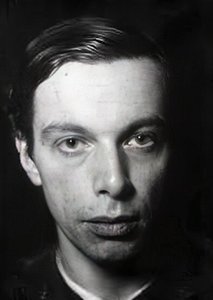
Ernst Ludwig Kirchner
1880 - 1938 , Duitsland
Snelle feiten
- Artistic Movement Or Style: Expressionisme
- Artists Or Movements Influenced By This Artist:
- Brücke
- Modern kunst
- Artists Who Influenced This Artist:
- Dürer
- Van Gogh
- Munch
- Date Of Birth: 6 mei 1880
- Date Of Death: 15 juni 1938
- Full Name: Ernst Ludwig Kirchner
- Nationality: Duits
- Notable Artworks:
- De Straat
- Dansende vrouw
- Place Of Birth: Aschaffenburg, Duitsland
Gerelateerde artikelen

Romantische Landschappen: Top 10 Meesterwerken voor een Sfeervol Interieur | AllPaintingsStore.nl
Ontdek de 10 meest iconische meesterwerken van de Romantiek! Reis door de tijd met Caspar David Friedrich, Turner & Delacroix. Laat je inspireren en vind museumkwaliteit kunst reproducties voor een sfeervol interieur op AllPaintingsStore.com.

Unmasking Emotion: A Journey Through the Raw Power and Visceral Beauty of German Expressionism
Explore the raw emotional power of German Expressionism. From Kirchner to Die Brücke, discover how artists used distortion and vibrant color to unmask the human psyche. A deep dive into art history for the discerning collector and enthusiast.

The Vibrant World of Ernst Ludwig Kirchner: A Definitive Guide to German Expressionism
Explore the raw emotion of German Expressionism through a definitive guide to Ernst Ludwig Kirchner. Discover how his bold colors and distorted forms redefined modern art history, from Berlin street scenes to iconic masterpieces.

Top 10 Expressionistische Meesterwerken: Kunst die de Ziel Raakt | AllPaintingsStore
Ontdek de 10 meest iconische Expressionistische meesterwerken! Duik in de emotionele wereld van Kirchner, Kandinsky & Nolde. Museumkwaliteit kunst reproducties voor uw interieur. Exploreer de collectie op AllPaintingsStore.com.

Ernst Ludwig Kirchner: Expressionism's Urban Anxiety & the Fragmentation of Modern Identity
Explore the powerful world of Ernst Ludwig Kirchner and German Expressionism. Discover his iconic paintings, Die Brücke group, and the movement's exploration of urban anxiety & modern identity. Expert analysis for collectors & enthusiasts.


