


 Voorvertoning
 Verstuur
 Delen
Delen
 Details bekijken
 Gids
Gids

 Download
 Vergelijkbare items
 Röntgenonderzoek
 Diavoorstelling
 Q&A
Q&A Statistieken
Vault


 Lees meer
Giclée / Kunstafdrukken
Giclée- of canvasafdruk van museumkwaliteit met een snelle productie en flexibele afwerkingsmogelijkheden. ( Bestel handgeschilderde reproductie Schakel over naar digitale afbeeldingen)




P118B €10

P118H €10

P118W €10

P438Z €10

P508JH €12

P508YH €12

P805H €10

P805Z €10

P919BZ €10

P919G €10

P919XJ €10

P959ZH €10

P968JZ €12

W106C €8

W218G €10

W218JH €8

W218Y €10

W307PJ €10

W316G €10

W316PJ €8

W316Y €10

W398PJ €8

W4111J €10

W500HY €15

W500JH €15

W692G €12

W849H €8

W940BG €15

W953PJ €8




Kies uit onze vooraf ingestelde maten die overeenkomen met de originele verhoudingen van het kunstwerk.

Voer de gewenste breedte en hoogte in, passend bij uw lijst of muur. Een afdruk kan alleen worden ingekort en nooit groter worden gemaakt dan het origineel; een formaat met andere verhoudingen zal daarom een deel van de afbeelding verliezen. Wij sturen u een digitaal mockup ter goedkeuring voordat we tot drukwerk overgaan. De afbeelding op deze pagina toont niet de werkelijke uitsnede — dit is alleen te zien op het mockup.
Wereldwijde levering () binnen 2 weken in plaats van de standaard 4/5 weken. (31 oktober)

Gratis wereldwijde expressverzending

Hoogwaardig linnen canvas

Volledige verzendverzekering

Garantie op terugbetaling van invoerrechten

Garantie op exacte kleurweergave

Retourbeleid van 100 dagen (alleen bij defecten)

100% Geld-terug-garantie

Korting bij meerdere afnames
 De optie voor glas is alleen beschikbaar bij een formaat kleiner dan 110 cm.

Vault
Giclée / Kunstafdrukken
Afmetingen reproductie
-


Eindtotaal
€ 58
A Celestial Vision: Exploring Giotto’s Vault
Giotto di Bondone's “Vault,” adorning the Cappella Scrovegni in Padua, Italy, stands as an unparalleled achievement of medieval art—a pivotal moment marking the decisive break from Byzantine formalism and ushering in a new era of artistic expression. Painted between 1303 and 1305 by Enrico Scrovegni, this monumental fresco cycle transcends mere decoration; it embodies profound theological contemplation and represents Giotto’s revolutionary embrace of naturalism within religious iconography.
- Composition & Technique: The vault itself is a marvel of engineering and artistic vision. Constructed with innovative ribbed arches, it creates an illusion of soaring height and ethereal space—a deliberate departure from the flattened perspectives characteristic of earlier Byzantine churches. Giotto’s masterful application of tempera paint on plaster ensures remarkable luminosity and vibrancy, capturing the subtle nuances of color that would inspire generations of artists.
- Symbolism & Narrative: At its core lies a depiction of Heaven—a celestial realm populated by radiant stars and illuminated by divine light. The central figure, a woman embodying Mary Magdalene, is surrounded by angels conveying messages of grace and redemption. This carefully orchestrated tableau reflects the Franciscan theology prevalent during Giotto’s time, emphasizing compassion and humility alongside spiritual grandeur.
- Historical Context: Commissioned by Enrico Scrovegni as an act of penance for his family's sins, the Cappella Scrovegni was conceived as a pilgrimage site dedicated to Saint Mary Magdalene. Giotto’s frescoes served not merely as visual representations but as didactic narratives intended to guide viewers toward spiritual enlightenment—a testament to the enduring power of art to communicate profound moral and theological ideas.
- Influence & Legacy: “Vault” irrevocably altered the course of fresco painting, establishing a precedent for naturalistic depiction and emotional resonance. Its influence extended far beyond Padua, inspiring artists across Europe and shaping the stylistic developments that would define the burgeoning Renaissance. The chapel’s designation as UNESCO World Heritage Site underscores its significance as one of the most important artistic monuments of the fourteenth century.
A Breakthrough in Representation
Prior to Giotto, Byzantine art prioritized stylized figures and symbolic ornamentation—a stylistic choice dictated by theological dogma. Giotto’s audacious decision to portray human forms with unprecedented accuracy—capturing musculature, drapery folds, and facial expressions with remarkable realism—challenged established conventions and fundamentally altered the aesthetic landscape of his time. This shift toward naturalism wasn't merely a matter of artistic preference; it reflected a deeper intellectual conviction that God created humanity in His own image.
The Chapel’s Significance Beyond Art
More than just an artistic masterpiece, the Cappella Scrovegni embodies Scrovegni’s fervent piety and his desire to honor Saint Mary Magdalene—a figure revered for her unwavering faith and compassion. The chapel's interior space itself contributes to the immersive experience of witnessing Giotto’s frescoes, fostering a contemplative atmosphere that encourages reflection on themes of redemption and divine grace.
Reproductions Available: Bringing Giotto’s Vision Home
Experience the breathtaking beauty and emotional depth of “Vault” firsthand through meticulously crafted oil painting reproductions offered at AllPaintingsStore.com. These reproductions capture the essence of Giotto's original artwork with exceptional fidelity to color and detail—allowing you to appreciate this iconic masterpiece in your own home.
Veelgestelde vragen
Wanneer is "Vault" door Giotto di Bondone gemaakt en bij welke stroming behoort het?
"Vault" door Giotto di Bondone dateert uit 1303 en behoort tot de Early Renaissance.
Waar kan ik de afbeelding van "Vault" door Giotto di Bondone downloaden?
De afbeelding van "Vault" door Giotto di Bondone is te downloaden op de Downloaden-pagina van het kunstwerk: een digitale afbeelding in hoge resolutie om te downloaden.
Wie is de kunstenaar achter "Vault"?
De kunstenaar achter "Vault" is Giotto di Bondone. Het werk is gecatalogiseerd onder de naam van Giotto di Bondone.
Vergelijkbare kunstwerken


Biografie kunstenaar
De Vroege Jaren en de Invloed van Cimabue
Giotto di Bondone, geboren rond 1267 nabij Florence, Italië, is een naam die synoniem staat voor de overgang van de middeleeuwse kunst naar de Renaissance. Zijn leven is omgeven door verhalen en legendes, waaronder het beroemde verhaal van de jonge herdersjongen die op rotsen levensgetrouwe schapen tekende, waardoor hij de aandacht trok van de gerenommeerde Florentijnse meester Cimabue. Of dit verhaal waarheid bevat of niet, het symboliseert Giotto’s uitzonderlijke talent: een aangeboren vermogen om de natuurlijke wereld met ongekende realisme en emotionele diepte vast te leggen. Als leerling van Cimabue absorbeerde Giotto technische vaardigheden, maar hij begon al snel zijn eigen pad te bewandelen, weg van de gevestigde Byzantijnse stijl die destijds heerste. Deze stijl kenmerkte zich door gestileerde figuren, afgevlakte perspectieven en weelderige gouden achtergronden – symbolen van spirituele transcendentie in plaats van aardse representatie. Giotto daarentegen verlangde ernaar de mensheid niet als etherische iconen af te beelden, maar als individuen doordrenkt van gevoelens, bestaand in een tastbare ruimte.
De Doorbraak naar Naturalisme en Emotie
Giotto’s artistieke revolutie was geen plotselinge omwenteling, maar een geleidelijke evolutie. Zijn vroege werken verraadden al de verschuiving die zou komen, met een groeiende nadruk op volume, gewicht en geloofwaardige anatomie. Hij begon licht en schaduw niet alleen als decoratieve elementen te zien, maar als hulpmiddelen om vormen vorm te geven en diepte te creëren. Dit ontluikende naturalisme is zichtbaar in zijn bijdragen aan de fresco’s in de Bovenbasiliek van Sint Franciscus van Assisi – hoewel het auteurschap ervan nog steeds wordt bediscussieerd, herkennen veel geleerden Giotto’s hand in scènes die een opmerkelijke afwijking vertonen van de heersende Byzantijnse esthetiek. Hij verwierp traditie niet simpelweg; hij bouwde erop voort en voorzag gevestigde vormen van een nieuw gevoel van menselijkheid en emotionele resonantie. Giotto begreep de kracht van narratie, en creëerde composities die verhalen vertelden niet door rigide symboliek, maar door expressieve gebaren, geloofwaardige interacties en zorgvuldig opgebouwde omgevingen.
De Scrovegni Kapel: Een Meesterwerk van Verhaalvertelling
Giotto’s meesterwerk, en misschien wel een van de belangrijkste werken in de westerse kunstgeschiedenis, is de fresco cyclus die de Scrovegni Kapel (ook bekend als de Arena Kapel) in Padua siert. Voltoooid rond 1305, toont deze adembenemende serie het leven van Christus en Maria met een revolutionair niveau van realisme en emotionele intensiteit. Elke scène ontvouwt zich als een zorgvuldig geënsceneerd drama, bevolkt door figuren die niet slechts representaties zijn van religieuze archetypen, maar volledig gerealiseerde mensen die vreugde, verdriet, angst en hoop ervaren. Het *Laatste Oordeel*, dat een hele wand domineert, is een krachtig bewijs van Giotto’s vaardigheid om zowel goddelijke majesteit als de rauwe kwetsbaarheid van de mensheid voor haar uiteindelijke oordeel over te brengen. Het gebruik van perspectief, hoewel niet wiskundig nauwkeurig volgens latere Renaissance-normen, creëert een overtuigende illusie van diepte en trekt de kijker in het verhaal. De figuren staan stevig op de grond, hun lichamen hebben gewicht en volume, en hun uitdrukkingen tonen een scala aan emoties dat voorheen onbekend was in religieuze kunst.
Architectuur en Giotto’s Blijvende Erfenis
Giotto’s talenten strekten zich verder uit dan schilderen; hij was ook een gerespecteerd architect. In 1334 kreeg hij de opdracht om de Campanile – de klokkentoren – van de kathedraal van Florence te ontwerpen, een project dat zijn innovatieve benadering van architectonische vorm liet zien. Hoewel hij voor zijn voltooiing overleed, legden zijn ontwerpen de basis voor dit iconische Florentijnse monument. Zijn invloed op latere generaties kunstenaars is onmeetbaar. Hij overbrugde de kloof tussen de middeleeuwse en Renaissance-wereld, en baande de weg voor meesters als Masaccio, Leonardo da Vinci en Michelangelo. Vasari, in zijn baanbrekende *Levens van de Kunstenaars*, schreef Giotto toe “de schilderkunst de grote kunst te hebben gegeven om dingen naar het leven te doen”, een bewijs van zijn diepgaande impact op het verloop van de westerse kunst. Giotto portretteerde niet alleen de wereld; hij zocht deze te begrijpen, haar essentie vast te leggen en dat begrip over te brengen door de kracht van visuele verhaalvertelling. Zijn nalatenschap blijft eeuwen na zijn dood ontzag en bewondering inspireren, waardoor zijn plaats als een van de grootste kunstinnovatoren in de geschiedenis wordt verstevigd.
Belangrijkste Prestaties & Blijvende Invloed
- Revolutionariseerde het Schilderij: Verliet de Byzantijnse stilisering voor naturalisme en emotioneel realisme.
- Pionier in Perspectief: Introduceerde technieken om diepte en ruimtelijk bewustzijn in schilderijen te creëren.
- Meesterlijk Verhaalvertelling: Creëerde boeiende verhalen door fresco-cycli, zoals de Scrovegni Kapel.
- Architectonische Bijdragen: Ontwierp de Campanile van de kathedraal van Florence, waarmee hij zijn architectonisch vernuft demonstreerde.
- Fundament voor Renaissance Kunst: Zijn werk legde de basis voor de artistieke prestaties van de Renaissance periode.
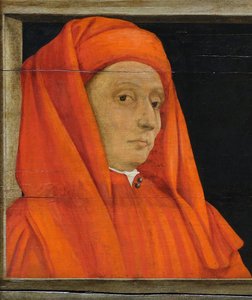
Giotto di Bondone
1267 - 1337 , Italy
Belangrijkste feiten
- Artistic Movement Or Style: Proto-Renaissance
- Artists Or Movements Influenced By This Artist: ['Masaccio']
- Artists Who Influenced This Artist: ['Cimabue']
- Date Of Birth: ca. 1267
- Date Of Death: 1337
- Full Name: Giotto di Bondone
- Nationality: Italiaans
- Notable Artworks: ['Scrovegni Chapel']
- Place Of Birth: Florence, Italië
Gerelateerde artikelen

Midnight Blue Magic: 10 Iconic Masterpieces Drenched in Deep Blue Tones
Immerse yourself in the mystery of midnight blue. Explore 10 iconic masterpieces, from Van Gogh to Impressionist classics, through their stories and deep indigo tones. Find museum-quality art reproductions and decor inspiration at AllPaintingsStore.com. Discover all masterpieces online.

10 Iconic Masterpieces Defined by Stunning Steel Blue Tones
Immerse yourself in the serene beauty of steel blue tones. Explore 10 iconic masterpieces, from Impressionist classics to moody modern works, and learn the stories behind their timeless allure. Find museum-quality art reproductions for your decor at AllPaintingsStore.com. Discover all masterpieces online.

Deep Blue Magic: 10 Iconic Masterpieces Defined by Prussian Blue
Immerse yourself in the depth of Prussian blue. Explore 10 iconic masterpieces, from moody landscapes to Impressionist classics, through their stories and techniques. Find museum-quality art reproductions for your decor. Discover all masterpieces on AllPaintingsStore.com.

25 Masterpieces by Giotto di Bondone: The Father of Renaissance Art
Journey through the revolutionary world of Giotto di Bondone. Explore 25 iconic masterpieces that bridged the Medieval and Renaissance eras with profound emotion and realism. Find museum-quality art reproductions and decor inspiration. Discover all masterpieces on AllPaintingsStore.com.


![Scrovegni - Laatste Oordeel (detail) [03]](/media/artworks/images-thumb/7d/a9/7da93e3737abc9f37453cee26f9f9796.jpg)
