


 Bekijk op ware grootte
 Verstuur
 Delen
Delen
 Details bekijken
 Gids voor studentenkunstwerken

 Download
 Vergelijkbare items
 Röntgenonderzoek
 Diavoorstelling
 Statistieken
Spring
 Oil On Canvas
- WallArt
- Renaissance
 1573
1573 76.0 x 64.0 cm
 Louvre
 Lees meer
Handgemaakte olieverfreproductie
Met de hand geschilderd in olieverf op canvas in uw gewenste maat en lijst, op bestelling gemaakt door onze kunstenaars. ( Schakel over naar print Schakel over naar digitale afbeeldingen)




P118B €10

P118H €10

P118W €10

P438Z €10

P508JH €12

P508YH €12

P805H €10

P805Z €10

P919BZ €10

P919G €10

P919XJ €10

P959ZH €10

P968JZ €12

W106C €8

W218G €10

W218JH €8

W218Y €10

W307PJ €10

W316G €10

W316PJ €8

W316Y €10

W398PJ €8

W4111J €10

W500HY €15

W500JH €15

W692G €12

W849H €8

W940BG €15

W953PJ €8




Kies uit onze vooraf ingestelde maten die overeenkomen met de originele verhoudingen van het kunstwerk.

Voer de breedte en de hoogte in die u nodig heeft, passend bij uw lijst of uw muur. Dit is handgeschilderd, dus bij een afmeting met een andere vormverhouding kan de kunstenaar iets meer rondom het schilderij schilderen of juist iets meer weglaten — u kiest zelf. Wij sturen u een digitaal mockup ter goedkeuring voordat het schilderwerk begint. De afbeelding die op deze pagina wordt getoond, is niet het uiteindelijke resultaat — alleen de mockup geeft dit weer.
Na de bestelling zal het team van AllPaintingsStore.com per e-mail contact opnemen met de klant voor instructies en een mockup-voorbeeld sturen.
Wereldwijde levering () binnen 3 tot 4 weken in plaats van de standaard 5 weken. (23 oktober). Zonder concessies aan de kwaliteit.

Gratis wereldwijde expressverzending

Hoogwaardig linnen canvas

Volledige verzendverzekering

Garantie op terugbetaling van invoerrechten

Garantie op exacte kleurweergave

Retourbeleid van 100 dagen (alleen bij defecten)

100% Geld-terug-garantie

Korting bij meerdere afnames
 De optie voor glas is alleen beschikbaar bij een formaat kleiner dan 110 cm.

Spring
Reproductiemethode
Formaat reproductie
-


Totaalprijs
€ 227
A Portrait of Renewal: Unveiling Arcimboldo's "Spring"
Giuseppe Arcimboldo’s “Spring,” painted in 1573, is not merely a portrait; it’s an immersive experience, a vibrant testament to the Renaissance fascination with nature, allegory, and the cyclical rhythms of life. This arresting image, now meticulously reproduced on canvas by AllPaintingsStore.com, immediately captivates with its audacious composition – a male figure, rendered entirely from an astonishing array of blossoms, fruits, and verdant foliage, his face emerging from a riotous profusion of botanical detail. It’s a work that defies easy categorization, blending elements of portraiture, still life, and allegorical representation into a singular, unforgettable vision.
The painting's genesis lies within the opulent court of Emperor Maximilian II in Prague, a space renowned for its intellectual curiosity and patronage of the arts. Arcimboldo, already established as a skilled court painter, was tasked with creating a series of seasonal portraits – “The Four Seasons” – each celebrating the bounty and symbolism associated with that particular time of year. "Spring," therefore, is not simply a depiction of a man; it’s an embodiment of rebirth, fertility, and the promise of new beginnings, meticulously crafted to resonate with the Emperor's worldview.
The Language of Flowers: Symbolism in Every Bloom
Arcimboldo’s genius lies not just in his technical mastery but also in his profound understanding of floral symbolism. Each element within the composition carries a specific meaning, contributing to the portrait’s layered narrative. The vibrant roses, for instance, represent beauty and love – timeless themes elevated by their prominent placement framing the figure's face. The delicate cherry blossoms evoke springtime itself, while the abundance of greenery speaks to growth, vitality, and the flourishing of life. Even seemingly simple elements like grapes symbolize prosperity and festivity, reflecting the Emperor’s reign.
Beyond these individual blooms, the arrangement as a whole operates on a deeper symbolic level. The figure's turned head, gazing directly at the viewer, creates an intimate connection, inviting us to contemplate the portrait alongside him. The careful layering of petals and leaves suggests a complex tapestry of interconnectedness – mirroring the intricate relationships between humanity and nature that were central to Renaissance thought.
A Masterclass in Technique: Impasto and Dramatic Lighting
“Spring” is a remarkable demonstration of Arcimboldo’s technical skill. The artist employs a masterful use of impasto, applying thick layers of oil paint to create a tactile, three-dimensional surface. This technique is particularly evident in the flowers themselves, where individual petals appear to almost burst forth from the canvas, radiating with vibrant color and texture. The dark background serves as a dramatic foil, intensifying the brilliance of the floral elements and drawing our attention to the figure’s face.
Furthermore, Arcimboldo utilizes a carefully controlled lighting scheme, employing a strong light source that illuminates the subject's upper body and face from above and slightly to the side. This creates a sense of depth and volume, emphasizing the contours of the face and highlighting the intricate details of the floral arrangement. The shallow perspective, focusing on the immediate plane, reinforces the portrait’s intimate and engaging quality.
Bringing “Spring” Home: A AllPaintingsStore.com Reproduction
AllPaintingsStore.com is proud to offer meticulously crafted hand-painted reproductions of Giuseppe Arcimboldo's "Spring," allowing you to bring this extraordinary masterpiece into your home or office. Our skilled artisans replicate the painting’s rich textures, vibrant colors, and dramatic lighting with unparalleled accuracy, ensuring that every detail faithfully captures the spirit of Arcimboldo’s original vision. Whether you are an art enthusiast, a collector, or simply seeking a unique piece of decorative art, our reproduction offers a stunning tribute to one of Renaissance art's most inventive and enduring figures.
Explore our collection today: https://AllPaintingsStore.com/en/art/giuseppe-arcimboldo-spring-8YDVQP-en/
Vragen & Antwoorden
Welke plaatsing past bij het formaat van "Spring" door Giuseppe Arcimboldo?
Met zijn Portrait-vorm wordt een reproductie van "Spring" aanbevolen voor een Living Room.
Wat is de waargenomen helderheid van "Spring" door Giuseppe Arcimboldo?
De waargenomen helderheid van "Spring" door Giuseppe Arcimboldo is deep_shadow. Deze kan worden afgestemd op het licht in de beoogde ruimte.
Tot welke stijl behoort "Spring"?
De stroming die verbonden is aan "Spring" door Giuseppe Arcimboldo is Renaissance. Deze classificatie plaatst het werk tussen verwante kunstenaars en kunstwerken.
Gerelateerde kunstwerken


Biografie van de kunstenaar
Giuseppe Arcimboldo (1527-1593): De Mysticus van de Composite Hoofd
Giuseppe Arcimboldo, een naam die onlosmakelijk verbonden is met een wereld van bizarre schoonheid en verbluffende illusies, blijft een van de meest unieke figuren uit de Renaissance. Geboren in Milaan in 1527, ontvouwde zijn artistieke carrière zich tegen de achtergrond van Europa, doordrenkt van intellectuele opwinding, religieuze verschuivingen en een onstilende nieuwsgierigheid naar de natuurlijke wereld. Hoewel aanvankelijk erkend voor meer conventionele werken – fresco’s die kathedralen sieren en portretten die zich houden aan gevestigde hofstandaarden – ligt Arcimboldo's blijvende nalatenschap in een reeks composiethoofden, volledig samengesteld uit zorgvuldig geplaatste objecten: fruit, groenten, bloemen, boeken, zelfs muziekinstrumenten. Deze waren niet simpelweg speelse oefeningen in visuele truckunst; ze waren complexe allegorieën, doordrenkt van symboliek die resoneren met de Renaissance-wereldvisie en het publiek tot op de dag van vandaag fascineren. Zijn vader, Biagio Arcimboldo, was zelf een kunstenaar, waardoor hij Giuseppe een vroege artistieke training gaf en waarschijnlijk ook zijn eerste pogingen tot ontwerpwerk voor glasramen en fresco’s in de kathedraal van Milaan rond 1549 beïnvloedde. Deze fundamentele ervaring scherpte zijn technische vaardigheid en oog voor detail – kwaliteiten die later kenmerken zouden worden van zijn meer onconventionele creaties.
Hofelijke Opdrachten en de Opkomst van een Unieke Stijl
Arcimboldo's traject nam een significante wending in 1562, toen hij benoemd werd tot hofportretist van Ferdinand I bij de Habsburgse vorstendynastie in Wenen. Dit markeerde het begin van meer dan twee decennia aan artistieke polyvalentie voor drie opeenvolgende Habsburgse heersers: Maximiliaan II en zijn zoon, Rudolf II. Naast het schilderen van portretten – hoewel zelfs deze vaak subtiele excentriciteiten vertoonden – omvatten Arcimboldo's taken kostuumontwerp, festivaldecoraties en de organisatie van keizerlijke collecties. Binnen dit milieu van verfijnde smaak en intellectuele nieuwsgierigheid begon zijn kenmerkende stijl te bloeien. De hofelijke vraag naar vernieuwing en spektakel bood vruchtbare grond voor experimenten, waardoor hij verder kon gaan dan traditionele portrettuur richting de creatie van zijn beroemde “composiethoofden”. Deze werden niet geboren uit een plotselinge impuls, maar ontwikkelden zich geleidelijk, gebaseerd op de Renaissance-fascinering voor raadsels, puzzels en het verkennen van verborgen betekenissen in alledaagse objecten. De invloed van eerdere kunstenaars die experimenteerden met *trompe l'oeil*-effecten en vervormde perspectieven kan worden waargenomen, maar Arcimboldo synthetiseerde deze elementen tot iets radicaals – een unieke visuele taal die conventionele representaties uitdaagt. Zijn vader’s ervaring met glasramen en fresco’s gaf hem de technische vaardigheden om dit te realiseren.
Het Ontcijferen van Symboliek: Meer Dan Het Eerst Aanzien
Om Arcimboldo's werk simpelweg als speels te beschouwen, is te negeren dat het diepe intellectuele betekenis bevat. Elk object binnen zijn composiethoofden werd zorgvuldig gekozen, geladen met symbolische betekenis gerelateerd aan de identiteit van de persoon, hun beroep of sociale status. *De Bibliothecaris*, bijvoorbeeld, is niet alleen een gezicht samengesteld uit boeken; het is een subtiele kritiek op academische pretentie – een commentaar op degenen die kennis vergaren zonder zich daadwerkelijk met haar inhoud te verdiepen. De dierlijke staarten die de baard vormen, duiden op stofdoeken, wat wijst op vergeten boeken die stof verzamelen op planken. Vergelijkbare symboliek is aanwezig in zijn portretten van de seizoenen – vooral *Vertumnus*, die keizer Rudolf II afbeeldt als de Romeinse god van tuinen en verandering – en zijn composities zijn rijk aan botanische symboliek, die de keizerlijke patronage van wetenschap en natuurkunde weerspiegelen. Deze waren niet bedoeld om onmiddellijk te worden ontcijferd; ze waren ontworpen om contemplatie te stimuleren, het publiek uit te nodigen om lagen betekenis te ontrafelen die verborgen liggen in de schijnbaar speelse opstelling van objecten. Het zelf creëren van een menselijk portret uit onstoffelijke voorwerpen was een meditatie over de onderlinge verbondenheid van alle dingen – een weerspiegeling van de Neoplatonische filosofie, die geloofde in de onderliggende harmonie van het universum.
Erfgoed en Ontdekking: Een Voorloper van Surrealisme
Ondanks zijn succes tijdens zijn leven, vervaagde Arcimboldo's reputatie na zijn dood in 1593. Zijn werk werd vaak vergeten in de wereld van kunst, beschouwd als een curiositeit – gewaardeerd om zijn technische vaardigheid maar afgewezen als het gebrek aan serieuze artistieke waarde. Het was pas in de 20e eeuw dat een hernieuwde waardering voor zijn kunst ontstond, aangedreven door de opkomst van Surrealisme. Kunstenaars zoals Salvador Dalí herkenden in Arcimboldo een gelijkgestemde – een visionair die conventionele percepties uitdaagde en het onderbewustzijn verkende via onverwachte juxtaposities van beelden. De invloed van Arcimboldo is te zien in Dalí's eigen dromerige composities en zijn fascinatie voor transformatie en illusie. Vandaag de dag wordt Arcimboldo gevierd als een sleutelfiguur in kunstgeschiedenis – een voorloper van Surrealisme wiens innovatieve gebruik van symboliek en speelse vervorming nog steeds kunstenaars inspireert en het publiek fascineert wereldwijd. Zijn schilderijen worden tentoongesteld in prestigieuze musea, zoals het Kunsthistorisches Museum in Wenen en het Louvre in Parijs.
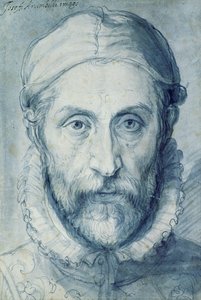
Giuseppe Arcimboldo
1527 - 1593 , Italië
Snelle feiten
- Artistic Movement Or Style: Manierisme, Surrealisme
- Artists Or Movements Influenced By This Artist: ['Salvador Dalí']
- Artists Who Influenced This Artist: ['Leonardo da Vinci']
- Date Of Birth: 5 april 1527
- Date Of Death: 11 juli 1593
- Full Name: Giuseppe Arcimboldo
- Nationality: Italiaans
- Notable Artworks:
- De Vier Seizoenen
- Vertumnus
- De Bibliothecaris
- Place Of Birth: Milaan, Italië
Gerelateerde artikelen

The Enduring Legacy of Oil on Canvas: Technique, History & Aesthetic Impact
Explore the rich history & techniques of oil painting – from Renaissance masters to Impressionism. Discover pigments, layering methods, and why this timeless medium endures. Expert insights for artists & art enthusiasts.

De Blijvende Erfenis van Olieverf op Doek: Techniek, Geschiedenis en Hedendaagse Praktijk
Ontdek de rijke geschiedenis en technieken van olieverfschilderen. Van Renaissance meesterwerken tot moderne toepassingen, leer over pigmenten, glazuur en conservering.

Top 10 Legendarische 'Olieverf op Paneel' Meesterwerken die de Kunst Veranderden | AllPaintingsStore
Ontdek de 10 legendarische 'olieverf op paneel' meesterwerken die kunstgeschiedenis schreven! Van impressionisme tot abstractie, leer over beroemde kunstenaars en hun iconische werken. Vind museumkwaliteit reproducties & decoratie-inspiratie op AllPaintingsStore.com.

Oil on Canvas: A Historical & Technical Exploration of a Timeless Artistic Medium
Explore the rich history & enduring techniques of oil painting on canvas. Discover the science behind its longevity, conservation practices, and contemporary relevance. Expert insights for art enthusiasts.

The Enduring Power of Painting: A Historical & Contemporary Exploration of Form and Emotion
Explore the rich history & enduring techniques of oil painting with AllPaintingsStore. Discover masterpieces, learn about art collecting, and find authentic handmade reproductions crafted by skilled artists.


