Gwarancja zwrotu pieniędzy · 100 dni Darmowa dostawa na cały świat
449 587dzieła sztuki 30 613artyści 4 660muzea 32język
Waluta
    Język
      Atelier · Est. 2015 · Paryż, Francja
      AllPaintingsStore
      allpaintingsstore.com
      Catalogue entry

      Studio Interior with Casts

      1852. Oil On Canvas, 61.0 x 44.0 cm. Nationalgalerie.

      Fig. 1. Adolph Menzel, Studio Interior with Casts, 1852. Shown as the reproduction you are specifying: , .

      § 1Catalogue data

      § 2Abstract

      Opis obiektu

      Adolph von Menzel's 'Studio Interior with Casts' (1852) captures a realistic artist’s workspace filled with sculptures & books, showcasing Prussian realism and artistic process.

      Biografia artysty

      Adolph von Menzel (1815-1905) – wybitny malarz realizmu niemieckiego, znany z precyzyjnych obrazów życia codziennego i scen industrialnych. Odkryj jego arcydzieła i wpływ na artystów, takich jak Degas.

      § 3Commentary

      Studio Interior with Casts: A Glimpse into Menzel’s Realist World

      Adolph von Menzel's "Studio Interior with Casts," painted in 1852, isn’t merely a depiction of an artist’s workspace; it’s a meticulously observed meditation on the processes of creation, decay, and the very nature of representation. The painting immediately draws the eye to the central figure – a torso cast from clay, positioned dramatically against a dark background, bathed in the diffused light of a window. This isn't a romanticized portrayal of artistic genius; instead, Menzel presents a scene steeped in quiet contemplation and a subtle sense of melancholy. It’s a work that invites prolonged viewing, revealing layers of meaning within its seemingly straightforward composition. The painting speaks volumes about the realities of 19th-century art production – the physicality of sculpting, the transient nature of form, and the artist's relationship to his materials.

      The Anatomy of Observation: Technique and Detail

      Menzel’s mastery lies in his painstaking attention to detail, a hallmark of German Realism. He employs a technique that blends meticulous observation with a deliberate sense of theatricality. The casts themselves are rendered with astonishing realism – the rough texture of the clay, the subtle variations in color, even the faint traces of fingerprints left by the sculptor’s hands. Menzel doesn't shy away from depicting imperfections; these flaws become integral to the painting’s power. Notice how he uses chiaroscuro—the dramatic contrast between light and shadow—to sculpt the forms, emphasizing their three-dimensionality and creating a palpable sense of volume. The muted palette – dominated by browns, grays, and ochres – contributes to the overall atmosphere of somber reflection. The artist’s use of loose brushstrokes adds an element of immediacy, suggesting that this scene was captured in a fleeting moment.

      A Historical Context: Prussian Sculpture and Artistic Identity

      To fully appreciate “Studio Interior with Casts,” it's crucial to understand its historical context within Prussia during the mid-19th century. Menzel’s work reflects a growing interest in documenting everyday life, particularly the processes of skilled trades – in this case, sculpture. The creation of casts was a vital part of the training process for aspiring sculptors, and Menzel's painting offers a rare glimpse into this often-overlooked aspect of artistic practice. The presence of books and a chair further anchors the scene within a specific time and place, hinting at the intellectual pursuits alongside the physical labor involved in creating art. The subject matter itself—the casts—can be interpreted as symbols of potential, of forms waiting to be realized, mirroring the artist’s own creative process.

      Symbolism and Emotional Resonance: Mortality and Transformation

      Beyond its technical brilliance, “Studio Interior with Casts” carries a profound symbolic weight. The central torso cast can be seen as an allegory for mortality – a reminder that all things are transient and subject to decay. The dark background suggests the unknown, while the light illuminating the casts offers a glimmer of hope or perhaps simply reveals the beauty within imperfection. There’s a sense of quiet contemplation, almost melancholy, pervading the scene. The artist isn't celebrating artistic triumph; he’s presenting a more nuanced and complex view of the creative process—one that acknowledges both its potential and its inherent limitations. The painting invites us to consider not just what is created, but also what is lost in the making. It’s a powerful meditation on transformation, reminding us that even from broken forms, something new can emerge.

      Bringing Menzel Home: High-Quality Reproductions

      AllPaintingsStore offers meticulously crafted, hand-painted reproductions of Adolph von Menzel's "Studio Interior with Casts," allowing you to bring this iconic work into your home or office. Our artists replicate Menzel’s masterful technique and evocative atmosphere with the utmost care, ensuring that each reproduction captures the essence of the original painting. Available in a range of sizes and framing options, our reproductions provide an authentic and affordable way to experience the beauty and depth of this remarkable masterpiece. Explore our selection today and discover how you can own a piece of art history.

      Pytania i odpowiedzi

      Ile lat miał(a) Adolph Menzel, tworząc "Studio Interior with Casts" w 1852 roku?

      Gdy w 1852 roku powstało dzieło „Studio Interior with Casts”, Adolph Menzel – urodzony/a w 1815 – miał/a 37 lat.

      Jaki nastrój wprowadzi Studio Interior with Casts do wnętrza?

      Calm atmosfera dzieła „Studio Interior with Casts” – Adolph Menzel idealnie współgra z polecaną przestrzenią: jest nią Living Room.

      W jaki sposób Realism dzieła „Studio Interior with Casts” nawiązuje do kraju pochodzenia artysty?

      "Studio Interior with Casts" powstało dzięki Adolph Menzel, urodzonemu w Polska, w ramach nurtu Realism. Pochodzenie artysty wiąże to dzieło z Realism w wydaniu twórców z Polska.
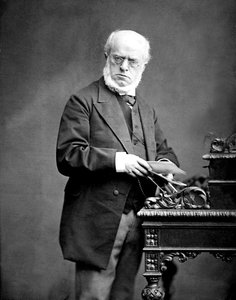
      § 4The artist

      Adolph Menzel

      Adolph Menzel

      1815 - 1905, Polska

      Quick facts about Adolph Menzel

      • Artistic Movement Or Style: Realizm
      • Artists Or Movements Influenced By This Artist: ['Edgar Degas']
      • Artists Who Influenced This Artist: ['Holenderscy mistrzowie']
      • Date Of Birth: 8 grudnia 1815
      • Date Of Death: 9 lutego 1905
      • Full Name: Adolph Friedrich Erdmann von Menzel
      • Nationality: Niemiec
      • Notable Artworks:
        • Kowalnia żelaza
        • Rynek w Weronie
        • Portret
      • Place Of Birth: Wrocław, Polska

      Biografia artysty

      A Life Etched in Realism: The World of Adolph von Menzel

      Adolph Friedrich Erdmann von Menzel, a name synonymous with German Realism, was more than just a painter; he was a visual chronicler of 19th-century life. Born on December 8, 1815, in Breslau (now Wrocław, Poland), his journey began not amidst the hallowed halls of artistic academies, but within the practical world of his father’s lithographic workshop. This early immersion in reproduction and detail would profoundly shape his aesthetic sensibilities. Though initially intended for a professorial path by his father, young Adolph's passion for art proved undeniable, leading to brief studies at the Berlin Academy of Art in 1833 before embracing a largely self-taught approach. He quickly distinguished himself through meticulous draftsmanship and an uncanny ability to capture the essence of everyday scenes, initially through lithography, but soon expanding into painting and etching—media he would master with unparalleled skill. Menzel’s life was one dedicated to observation, to translating the world around him onto canvas and paper with a precision that bordered on photographic realism, yet always imbued with a subtle emotional depth.

      Early Years and Artistic Beginnings

      Menzel's early years were marked by a unique blend of practicality and artistic inclination. His father, a skilled lithographer, established a successful workshop in Breslau, providing Adolph with invaluable experience in the techniques of reproduction and printmaking. This hands-on training instilled in him a deep appreciation for detail and precision—qualities that would become hallmarks of his later work. Despite his father’s initial aspirations for him to pursue a career in academia, young Adolph's passion for art quickly overshadowed all other considerations. He enrolled briefly at the Berlin Academy of Art in 1833, but found the formal training restrictive and ultimately opted for a largely self-taught path. This decision allowed him to develop his own unique style, characterized by its meticulous draftsmanship and unflinching realism. His early works primarily focused on lithography, producing stunningly detailed reproductions of historical events and contemporary scenes. These prints demonstrated an exceptional command of technique and a keen eye for observation—qualities that would serve as the foundation for his later paintings.

      Historical Grandeur and Patriotic Imagery

      Menzel’s career gained significant momentum through his illustrations for historical works, particularly those depicting the reign of Frederick the Great. Commissioned to create large-scale compositions for historical narratives, he meticulously researched each scene, striving for an unparalleled level of accuracy and detail. These paintings resonated deeply with a burgeoning national pride in Prussia during a period of significant political and social change. The dramatic lighting, dynamic composition, and carefully rendered costumes conveyed a sense of grandeur and power—elements that appealed to the public’s desire for patriotic imagery. Works like *The Battle of Jena-Auerstedt* exemplify this early success, capturing the intensity and chaos of battle with remarkable realism. However, Menzel's artistic vision extended beyond mere historical recreation; he sought to imbue his paintings with a sense of drama and emotion, creating works that were both visually stunning and intellectually stimulating.

      Shifting Focus: Genre Scenes and Modern Life

      As the 19th century progressed, Menzel’s artistic focus began to shift away from grand historical narratives towards more intimate and contemporary subjects. He increasingly turned his attention to genre scenes—depictions of everyday life in Berlin—and studies of modern industrial labor. This transition marked a significant departure from the conventions of academic painting and signaled Menzel's commitment to capturing the realities of the modern world. His masterpiece, *The Iron Rolling Mill*, completed between 1872 and 1875, stands as a testament to this shift in focus. The monumental canvas depicts the grueling labor of ironworkers, capturing their physical strength, exhaustion, and camaraderie with unflinching honesty. This work was not romanticized; it was raw, visceral, and profoundly modern in its approach—a stark contrast to the idealized depictions of industry prevalent at the time. Alongside *The Iron Rolling Mill*, Menzel produced a wealth of other genre paintings that offered insightful glimpses into the lives of ordinary Berliners.

      Influences and Artistic Style

      Menzel’s artistic style was shaped by a complex interplay of influences. While largely self-taught, he deeply admired the Dutch Masters—artists like Rembrandt and Vermeer—for their mastery of light and shadow, their ability to capture the essence of human emotion, and their commitment to realism. He also drew inspiration from the works of other German artists, including Caspar David Friedrich, though Menzel’s approach differed in its emphasis on observation and detail. His meticulous draftsmanship is evident in every work, characterized by a remarkable level of precision and attention to detail. Furthermore, his skill with etching—a medium he mastered throughout his career—allowed him to create incredibly detailed drawings that served as studies for his paintings. Menzel’s artistic development was not linear; he continually experimented with technique and subject matter, adapting his style to suit the demands of each project.

      Legacy and Historical Significance

      Adolph von Menzel's impact on German art is undeniable. He bridged the gap between traditional historical painting and modern realism, paving the way for future generations of artists to explore new subjects and techniques. His posthumous reputation rests not only on his paintings but also on his extensive graphic work—drawings and etchings that reveal a remarkable sensitivity and observational skill. He was knighted by Kaiser Wilhelm II in 1898, becoming Adolph von Menzel, a recognition of his immense contribution to the cultural landscape of Germany. His works are now celebrated in museums across the country, including the Museum Georg Schäfer and the Städtische Galerie im Lenbachhaus. Menzel’s art serves as a powerful reminder of the beauty and complexity inherent in everyday life, and his dedication to capturing reality with honesty and precision ensures his enduring place as one of the most important German artists of the 19th century. His legacy continues to inspire artists and viewers alike, offering insights into a pivotal period of social and industrial transformation.

      § 5Comparanda

      § 6Questions

      Najważniejsze informacje

      • Influences: German Realism
      • Location: Nationalgalerie, Berlin
      • Artist: Adolph von Menzel
      • Artistic style: Realistic depiction
      • Subject or theme: Artist's workspace
      • Title: Studio Interior with Casts

      Quiz o sztuce

      Do każdego pytania dotyczy tylko jedna poprawna odpowiedź.

      Pytanie 1:
      What is the primary subject depicted in Adolph von Menzel’s ‘Studio Interior with Casts’?
      Pytanie 2:
      In what year was ‘Studio Interior with Casts’ painted?
      Pytanie 3:
      The painting ‘Studio Interior with Casts’ exemplifies which artistic movement?
      Pytanie 4:
      What is the significance of the casts in ‘Studio Interior with Casts’?
      Pytanie 5:
      Adolph von Menzel was known for his detailed depictions of which historical period?

      § 7Cite this entry

      AllPaintingsStore.com, “Adolph Menzel, Studio Interior with Casts (1852)”, https://allpaintingsstore.com/pl/art/adolph-von-menzel-studio-interior-with-casts-8XZRDA-en/ (accessed 1 Październik 2026).

      § 8The reproduction

      Ręcznie malowana reprodukcja olejowa

      Ręcznie malowany obraz olejny na płótnie, wykonany na zamówienie przez naszych artystów w wybranym przez Ciebie wymiarze i oprawie. ( Przełącz na wydania drukowane Przejdź do wersji cyfrowej)

      It is specified on the order sheet in the margin; the present state of that sheet reads as follows.

      Studio Interior with Casts

      Technika reprodukcji

      Wymiary reprodukcji

      -

      Wybitny mistrz artystyczny

      Większa szczegółowość, finezja i dodatkowy czas na realizację

      -

      Opcje oprawy reprodukcji

      -

      -

      W przypadku dzieł sztuki lub reprodukcji, których którykolwiek z boków przekracza 105 cm (około 41 cali), rama zostanie wysłana w formie zestawu do samodzielnego montażu. Metoda ta zapewnia bezpieczną dostawę i zapobiega uszkodzeniom podczas transportu.

      Wymagany profesjonalny montaż – nie jest to produkt typu DIY.
      Zestaw musi zostać złożony, a płótno naciągnięte przez doświadczonego profesjonalnego ramiarza, przy użyciu kleju do drewna (brak w zestawie), kleszczy do naciągania płótna oraz ścisków, które utrzymają krosna w równej pozycji podczas schnięcia kleju. Nieprawidłowy montaż lub nierównomierne napięcie płótna może trwale uszkodzić dzieło sztuki i nie podlega naszej gwarancji.

      • W zestawie znajdują się wszystkie listwy z litego drewna, precyzyjnie docięte do wymiarów.

      • Montaż odbywa się przy użyciu dołączonych wkrętów oraz kleju do drewna do łączenia narożników, którego zestaw nie zawiera i który musi zostać dostarczony przez ramiarza.

      • Wymagane są profesjonalne narzędzia, których nie ma w zestawie: kleszcze do naciągania płótna (napinacz) oraz zaciski, które pozwolą utrzymać listwy w równej pozycji podczas schnięcia kleju.

      Ważne:
      Do połączenia narożników niezbędny jest klej do drewna, listwy należy unieruchomić za pomocą ścisków do momentu całkowitego wyschnięcia kleju, a naciągnięcie płótna na złożoną ramę wymaga użycia kleszczy do naciągania płótna. Żaden z tych elementów nie jest dołączony do zestawu. Przed zamówieniem tego rozmiaru zalecamy konsultację z doświadczonym ramiarzem.

      Etykieta obiektu

      -

      -

      Lakier ochronny

      Lakier z połyskiem (pogłębia kolory, chroni przed światłem i wilgocią)

      -

      Personalizacja dzieła

      Przykłady możliwości personalizacji: zastąp twarz zdjęciem klienta; dodaj zwierzę domowe (np. zamień kota na psa); umieść ukrytą wiadomość w tle; zmień krajobraz lub elementy tła.

      -

      Ekspresowa

      Dostawa na cały świat () w ciągu 3–4 tygodni zamiast standardowych 5 tygodni. (29 Październik). Bez kompromisów w kwestii jakości.

      -

      Przesyłka ekspresowa

      Dostawa na cały świat () w ciągu 5 tygodni. (5 Listopad).

      W cenie

      Cena całkowita

      zł 993

      Included with every order

      • Bezpłatna ekspresowa wysyłka na cały świat
      • Wysokiej jakości płótno lniane
      • Pełne ubezpieczenie przesyłki
      • Gwarancja zwrotu należności celnych i podatków importowych
      • Gwarancja wiernego odwzorowania kolorów
      • 100-dniowa polityka zwrotów (tylko w przypadku wad)
      • Gwarancja 100% zwrotu pieniędzy
      • Zniżka przy zakupie wielu sztuk
      Odkryj dzieła sztuki uporządkowane według tematów, stylów i cech charakterystycznych.
      Order sheet