The Studio Wall
Oil On Canvas
WallArt
Realist Painting
1872
19th Century
111.0 x 79.0 cm
Hamburger Kunsthalle
Ręcznie malowana reprodukcja olejowa
Ręcznie malowany olej na płótnie w Twoim wymiarze i ramie, tworzony na zamówienie przez naszych artystów.
P118B $10
P118H $10
P118W $10
P438Z $10
P508JH $12
P508YH $12
P805H $10
P805Z $10
P919BZ $10
P919G $10
P919XJ $10
P959ZH $10
P968JZ $12
W106C $8
W218G $10
W218JH $8
W218Y $10
W307PJ $10
W316G $10
W316PJ $8
W316Y $10
W398PJ $8
W4111J $10
W500HY $15
W500JH $15
W692G $12
W849H $8
W940BG $15
W953PJ $8
Wybierz spośród naszych predefiniowanych rozmiarów, które zachowują oryginalne proporcje dzieła sztuki.
Możesz wprowadzić własne wymiary, aby dopasować obraz do konkretnej ramy lub przestrzeni. Jeśli wybrany rozmiar nie będzie odpowiadał proporcjom oryginału, przytniecie dzieło sztuki lub rozszerzymy je o dodatkowe elementy, ręcznie domalowane przez artystę. Przed rozpoczęciem produkcji wyślemy projekt cyfrowy do Twojej akceptacji.
Należy pamiętać, że podgląd na ekranie nie odzwierciedla rzeczywistego przycinania ani rozszerzania obrazu. Tylko projekt dokładnie pokaże ostateczną kompozycję.
Choć oferujemy możliwość zamówienia niestandardowych rozmiarów, zalecamy wybór wymiaru z gotowej listy, aby zachować oryginalne proporcje dzieła.
Po złożeniu zamówienia zespół AllPaintingsStore.com skontaktuje się z klientem drogą mailową w celu uzyskania instrukcji i prześle wizualizację projektu
Dostawa na całym świecie () w ciągu 3/4 tygodni zamiast standardowych 5 tygodni. (16 Lipiec). Bez kompromisów w kwestii jakości.
Bezpłatna ekspresowa wysyłka na cały świat
Wysokiej jakości płótno lniane
Pełne ubezpieczenie przesyłki
Gwarancja zwrotu należności celnych
Gwarancja pełnego zgodności kolorystycznej
Polityka 60-dniowego zwrotu (tylko w przypadku wad)
Gwarancja 100% zwrotu pieniędzy
Zniżka przy większych zamówieniach
The Studio Wall
Technika reprodukcji
Wymiary reprodukcji
-
Cena całkowita
-
Opis dzieła
The Studio Wall: A Window into Menzel’s Soul
Adolph von Menzel's "The Studio Wall," painted in 1872, isn’t merely a depiction of a cluttered artist’s workspace; it’s a profoundly layered meditation on mortality, memory, and the very nature of artistic creation. At first glance, it presents a seemingly simple scene: a red-walled studio bathed in the soft glow of lamplight, populated by an array of plaster casts – busts, torsos, even a dog – arranged with meticulous care. Yet, beneath this surface lies a complex tapestry of symbolism and emotional resonance, reflecting Menzel’s own life and artistic philosophy.
The painting emerged during a pivotal period in Menzel's career, following the death of his close friend and fellow artist, Friedrich Eggers. This loss profoundly impacted the artist, fueling a preoccupation with themes of transience and remembrance. The studio itself becomes a symbolic space – a repository of fragments, echoes of those who have passed, and a testament to the enduring power of artistic legacy. Menzel’s meticulous attention to detail, honed through decades of experience in lithography and painting, is immediately apparent; each cast is rendered with astonishing realism, capturing not just their physical form but also a sense of individual character.
A Symphony of Materials and Light
Menzel masterfully employs the techniques of oil on canvas to create an atmosphere of both intimacy and drama. The red wall serves as a dramatic backdrop, intensifying the effect of the lamplight that illuminates the plaster casts. This strategic use of light is crucial – it doesn’t simply illuminate; it seems to breathe life into the inanimate objects, suggesting a ghostly presence within the studio. The artist's choice of materials—the smooth, polished surfaces of the casts contrasting with the rough texture of the wall—further enhances the visual impact, creating a dynamic interplay between form and space.
Notably, Menzel’s approach to composition is unconventional for his time. Rather than presenting a traditional still life, he arranges the casts in a seemingly random yet carefully orchestrated manner. This deliberate asymmetry contributes to the painting's unsettling beauty, mirroring the fragmented nature of memory and the elusive quality of truth. The inclusion of figures like Dante and Schiller, alongside more contemporary portraits, suggests a blurring of temporal boundaries – past, present, and future converge within the confines of the studio.
Decoding the Symbols: Faces of Remembrance
The plaster casts themselves are laden with symbolic meaning. Each figure represents a facet of human experience—beauty, wisdom, mortality, love, loss. The inclusion of portraits of friends, family members, and even classical figures speaks to Menzel’s desire to create a memorial to those he held dear. The prominent placement of Friedrich Eggers' death mask is particularly poignant, suggesting that the artist was grappling with his own grief while simultaneously attempting to immortalize the memory of his friend through art.
Beyond individual portraits, the arrangement of the casts can be interpreted as a visual metaphor for the creative process itself. Like an artist assembling disparate elements into a cohesive whole, Menzel has brought together fragments of human experience—the tangible and the intangible—to create a work that transcends mere representation. The dog, often associated with loyalty and companionship, adds another layer of emotional depth to the composition.
A Timeless Reflection on Art and Life
"The Studio Wall" is more than just a painting; it’s an invitation to contemplate the complexities of human existence. Menzel's masterful use of light, color, and symbolism creates a work that is both visually stunning and emotionally resonant. It remains a powerful testament to the enduring legacy of art as a means of confronting mortality, preserving memory, and exploring the profound mysteries of the human soul. Reproductions capture this depth and detail beautifully, offering a window into Menzel’s world for generations to come.
Podobne dzieła sztuki
Biografia artysty
A Life Etched in Realism: The World of Adolph von Menzel
Adolph Friedrich Erdmann von Menzel, a name synonymous with German Realism, was more than just a painter; he was a visual chronicler of 19th-century life. Born on December 8, 1815, in Breslau (now Wrocław, Poland), his journey began not amidst the hallowed halls of artistic academies, but within the practical world of his father’s lithographic workshop. This early immersion in reproduction and detail would profoundly shape his aesthetic sensibilities. Though initially intended for a professorial path by his father, young Adolph's passion for art proved undeniable, leading to brief studies at the Berlin Academy of Art in 1833 before embracing a largely self-taught approach. He quickly distinguished himself through meticulous draftsmanship and an uncanny ability to capture the essence of everyday scenes, initially through lithography, but soon expanding into painting and etching—media he would master with unparalleled skill. Menzel’s life was one dedicated to observation, to translating the world around him onto canvas and paper with a precision that bordered on photographic realism, yet always imbued with a subtle emotional depth.Early Years and Artistic Beginnings
Menzel's early years were marked by a unique blend of practicality and artistic inclination. His father, a skilled lithographer, established a successful workshop in Breslau, providing Adolph with invaluable experience in the techniques of reproduction and printmaking. This hands-on training instilled in him a deep appreciation for detail and precision—qualities that would become hallmarks of his later work. Despite his father’s initial aspirations for him to pursue a career in academia, young Adolph's passion for art quickly overshadowed all other considerations. He enrolled briefly at the Berlin Academy of Art in 1833, but found the formal training restrictive and ultimately opted for a largely self-taught path. This decision allowed him to develop his own unique style, characterized by its meticulous draftsmanship and unflinching realism. His early works primarily focused on lithography, producing stunningly detailed reproductions of historical events and contemporary scenes. These prints demonstrated an exceptional command of technique and a keen eye for observation—qualities that would serve as the foundation for his later paintings.Historical Grandeur and Patriotic Imagery
Menzel’s career gained significant momentum through his illustrations for historical works, particularly those depicting the reign of Frederick the Great. Commissioned to create large-scale compositions for historical narratives, he meticulously researched each scene, striving for an unparalleled level of accuracy and detail. These paintings resonated deeply with a burgeoning national pride in Prussia during a period of significant political and social change. The dramatic lighting, dynamic composition, and carefully rendered costumes conveyed a sense of grandeur and power—elements that appealed to the public’s desire for patriotic imagery. Works like *The Battle of Jena-Auerstedt* exemplify this early success, capturing the intensity and chaos of battle with remarkable realism. However, Menzel's artistic vision extended beyond mere historical recreation; he sought to imbue his paintings with a sense of drama and emotion, creating works that were both visually stunning and intellectually stimulating.Shifting Focus: Genre Scenes and Modern Life
As the 19th century progressed, Menzel’s artistic focus began to shift away from grand historical narratives towards more intimate and contemporary subjects. He increasingly turned his attention to genre scenes—depictions of everyday life in Berlin—and studies of modern industrial labor. This transition marked a significant departure from the conventions of academic painting and signaled Menzel's commitment to capturing the realities of the modern world. His masterpiece, *The Iron Rolling Mill*, completed between 1872 and 1875, stands as a testament to this shift in focus. The monumental canvas depicts the grueling labor of ironworkers, capturing their physical strength, exhaustion, and camaraderie with unflinching honesty. This work was not romanticized; it was raw, visceral, and profoundly modern in its approach—a stark contrast to the idealized depictions of industry prevalent at the time. Alongside *The Iron Rolling Mill*, Menzel produced a wealth of other genre paintings that offered insightful glimpses into the lives of ordinary Berliners.Influences and Artistic Style
Menzel’s artistic style was shaped by a complex interplay of influences. While largely self-taught, he deeply admired the Dutch Masters—artists like Rembrandt and Vermeer—for their mastery of light and shadow, their ability to capture the essence of human emotion, and their commitment to realism. He also drew inspiration from the works of other German artists, including Caspar David Friedrich, though Menzel’s approach differed in its emphasis on observation and detail. His meticulous draftsmanship is evident in every work, characterized by a remarkable level of precision and attention to detail. Furthermore, his skill with etching—a medium he mastered throughout his career—allowed him to create incredibly detailed drawings that served as studies for his paintings. Menzel’s artistic development was not linear; he continually experimented with technique and subject matter, adapting his style to suit the demands of each project.Legacy and Historical Significance
Adolph von Menzel's impact on German art is undeniable. He bridged the gap between traditional historical painting and modern realism, paving the way for future generations of artists to explore new subjects and techniques. His posthumous reputation rests not only on his paintings but also on his extensive graphic work—drawings and etchings that reveal a remarkable sensitivity and observational skill. He was knighted by Kaiser Wilhelm II in 1898, becoming Adolph von Menzel, a recognition of his immense contribution to the cultural landscape of Germany. His works are now celebrated in museums across the country, including the Museum Georg Schäfer and the Städtische Galerie im Lenbachhaus. Menzel’s art serves as a powerful reminder of the beauty and complexity inherent in everyday life, and his dedication to capturing reality with honesty and precision ensures his enduring place as one of the most important German artists of the 19th century. His legacy continues to inspire artists and viewers alike, offering insights into a pivotal period of social and industrial transformation.Adolph Menzel
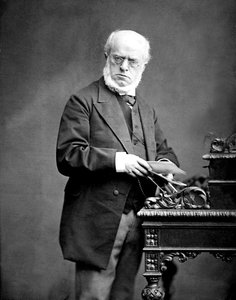
1815 - 1905 , Polska
Kluczowe informacje
- Artistic Movement Or Style: Realizm
- Artists Or Movements Influenced By This Artist: ['Edgar Degas']
- Artists Who Influenced This Artist: ['Holenderscy mistrzowie']
- Date Of Birth: 8 grudnia 1815
- Date Of Death: 9 lutego 1905
- Full Name: Adolph Friedrich Erdmann von Menzel
- Nationality: Niemiec
- Notable Artworks:
- Kowalnia żelaza
- Rynek w Weronie
- Portret
- Place Of Birth: Wrocław, Polska

Opcja szkła jest dostępna wyłącznie w rozmiarach poniżej 110 cm