


 Podgląd w skali
 Wyślij jako kartkę
 Udostępnij
 Szczegóły dzieła

 Pobierz
 Podobne obiekty
 RTG
RTG Pokaz slajdów
Automne

 Rozwiń treść
Ręcznie malowana reprodukcja olejowa
Ręcznie malowany obraz olejny na płótnie, wykonany na zamówienie przez naszych artystów w wybranym przez Ciebie wymiarze i oprawie. ( Zamów wydruk Kup obraz wysokiej rozdzielczości)




































Wybierz spośród naszych standardowych rozmiarów, które zachowują oryginalne proporcje dzieła sztuki.

Możesz wprowadzić własne wymiary, aby dopasować obraz do konkretnej ramy lub przestrzeni. Jeśli wybrany rozmiar nie będzie odpowiadał proporcjom oryginału, przytniecie dzieło sztuki lub rozszerzymy je o dodatkowe elementy, ręcznie domalowane przez artystę. Przed rozpoczęciem produkcji wyślemy projekt cyfrowy do Twojej akceptacji.
Należy pamiętać, że podgląd na ekranie nie odzwierciedla rzeczywistego przycinania ani rozszerzania obrazu. Tylko projekt dokładnie pokaże ostateczną kompozycję.
Choć oferujemy możliwość zamówienia niestandardowych rozmiarów, zalecamy wybór wymiaru z gotowej listy, aby zachować oryginalne proporcje dzieła.
Po złożeniu zamówienia zespół AllPaintingsStore.com skontaktuje się z klientem drogą mailową w celu uzyskania instrukcji i prześle wizualizację projektu
Dostawa na całym świecie () w ciągu 3–4 tygodni zamiast standardowych 5 tygodni. (15 Sierpień). Bez kompromisów w kwestii jakości.

Bezpłatna ekspresowa wysyłka na cały świat

Wysokiej jakości płótno lniane

Pełne ubezpieczenie przesyłki

Gwarancja zwrotu należności celnych i podatków importowych

Gwarancja wiernego odwzorowania kolorów

Polityka 60-dniowego zwrotu (tylko w przypadku wad)

Gwarancja 100% zwrotu kosztów

Zniżka przy zamówieniu wielu produktów
 Opcja ze szkłem jest dostępna wyłącznie w rozmiarach poniżej 110 cm

Automne
Technika reprodukcji
Wymiary reprodukcji
-


Cena całkowita
$ 258
Podobne dzieła


O artyście
The Radiant Legacy of Albert Aublet
Born in the heart of Paris in 1851, Albert Aublet emerged from the vibrant, shifting currents of the French art scene during the Belle Époque. His journey began within the prestigious halls of the École des Beaux-Arts, where he refined his craft under the watchful eyes of masters such as Claudius Jacquand and the renowned Jean-Léon Gérôme. This rigorous academic foundation provided him with a technical precision that would later serve as the bedrock for his more expressive explorations. His early debut at the 1873 Salon marked the arrival of a significant talent, earning immediate recognition when works like Intérieur de Boucherie au Tréport were acquired by notable figures such as Alexandre Dumas Fils. In these formative years, Aublet’s brush captured the quiet dignity of rural life and the rugged beauty of Normandy, establishing a reputation for realism that resonated with the era's fascination with unvarnished truth.
As his career matured, Aublet’s artistic gaze drifted far beyond the borders of France, seeking the luminous allure of the Orient. A transformative journey to Constantinople in 1881 ignited a lifelong passion for Orientalist themes, forever altering the trajectory of his oeuvre. This fascination was not merely a pursuit of the exotic but a deep, scholarly engagement with new light and culture. Accompanied by contemporaries like Jean-Léon Gérôme and Alberto Pasini, he explored the vibrant landscapes of Algeria and Turkey, translating the bustling marketplaces, architectural grandeur, and atmospheric subtleties of the East onto canvas. His work became a bridge between European academic tradition and the sensory richness of North Africa and the Ottoman Empire, characterized by an acute sensitivity to light and a masterful use of tonal gradations that breathed life into every scene.
Mastery of Light and Subject
The evolution of Aublet’s technique saw him move seamlessly between the structured demands of Academic Art and the more fluid, emotive qualities found in his watercolors and gouaches. He possessed a rare ability to capture fleeting moments—the way sunlight filters through a veil or the soft glow of dusk over a Tunisian courtyard. This mastery extended into his depictions of human figures, where he explored both the grace of nudes and the intimate character studies of local dignitaries and everyday people. His later years were deeply intertwined with the culture of Tunis; having purchased the magnificent Palais Dar Ben Abdalah in 1905, he became a central figure in the local art community, even serving as president of the first local art salon. This deep immersion allowed his work to transcend mere observation, becoming a soulful documentation of a world in transition.
Aublet’s achievements were met with significant international acclaim, reflecting his status as a truly global artist. His contributions to the art world were punctuated by prestigious honors that solidified his standing among the elite of his time:
- The 1880 Salon Medal: An early recognition of his burgeoning skill and rising prominence in Paris.
- The 1889 Paris World's Fair Gold Medal: A crowning achievement that celebrated his ability to captivate a worldwide audience during the height of the Exposition Universelle.
- The Légion d'honneur (1890): A profound testament to his cultural impact and his service to the French artistic tradition.
Today, the historical significance of Albert Aublet lies in his ability to synthesize the meticulousness of the Academy with the evocative spirit of Impressionism. His paintings remain vital windows into a bygone era, preserved in esteemed collections such as the Musée National des Beaux-Arts de Québec and the Philadelphia Museum of Art. Through his eyes, we continue to witness the enduring magic of the Orient and the timeless elegance of the French tradition, rendered with a hand that understood both the weight of history and the lightness of a passing shadow.

albert aublet
1851 - 1938 , France
Krótka nota
- Artistic Movement Or Style: Orientalist Art
- Date Of Birth: Paris, France (1851)
- Full Name: Albert Aublet
- Nationality: French
- Notable Artworks:
- Am Ufer
- Tea Roses
- Automne
- Place Of Birth: Paris
Powiązane artykuły

Akademicki Klasycyzm w XIX Wieku: Odrodzenie Formy i Narracji w Sztuce
Poznaj fascynujący świat akademickiego klasycyzmu w XIX wieku! Analiza architektury, malarstwa i rzeźby, wpływ antyku oraz rola szkół artystycznych. Ekspercka wiedza o historii sztuki.
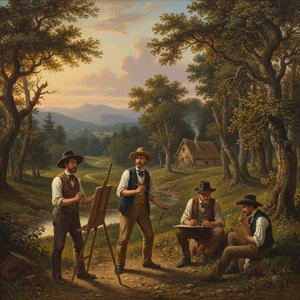
Szkoła z Barbizon: Narodziny Realizmu i Pastoralna Wizja w Malarstwie Francuskim XIX Wieku
Poznaj historię Szkoły z Barbizon – przełomowego ruchu artystycznego XIX wieku, który zrewolucjonizował malarstwo krajobrazowe. Analiza twórczości barbizończyków, ich wpływ na realizm i impresjonizm. Ekspercka analiza AllPaintingsStore.

Realizm w Sztuce: 10 Arcydzieł, Które Zmieniły Spojrzenie na Świat | AllPaintingsStore.com
Odkryj 10 arcydzieł realizmu – Courbet, Millet i inni artyści, którzy zrewolucjonizowali malarstwo. Poznaj historie, techniki i emocje w realistycznych obrazach. Reprodukcje najwyższej jakości na AllPaintingsStore.com! Eksploruj kolekcję online.

Nicolas Poussin: Classicism, Allegory & Order in 17th-Century French Painting
Explore the life & work of Nicolas Poussin, a master of French Classicism. Discover his allegorical paintings, Roman influences, and enduring impact on art history. Expert analysis & insights.
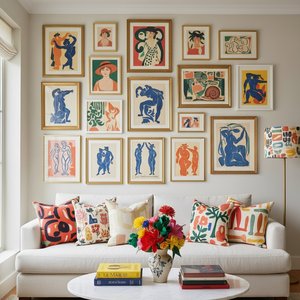
Henri Matisse: 25 Arcydzieł Koloru i Inspiracji | AllPaintingsStore.com
Odkryj 25 arcydzieł Henri Matisse’a – od żywych kolorów fauwizmu po ikoniczne kompozycje. Poznaj historię, technikę i inspiracje malarstwa francuskiego. Reprodukcje obrazów najwyższej jakości na AllPaintingsStore.com! Eksploruj kolekcję online.



