

1955. Ink On Paper. Muzeum Sztuki Nowoczesnej (MoMA).

§ 1Dane katalogowe


Ten utwór podlega ochronie prawem autorskim
Dzieło sztuki prezentowane na tej stronie podlega ochronie prawem autorskim, co oznacza, że nie mamy prawa do tworzenia ani sprzedaży jego identycznej reprodukcji. Ochrona ta jest egzekwowana na mocy umów międzynarodowych, takich jak Konwencja berneńska oraz przez przepisy prawa krajowego, w tym te określone w Prawo autorskie USA – Tytuł 17.
Jako pełną szacunku i legalną alternatywę oferujemy personalizowane, malowane ręcznie dzieła sztuki inspirowane oryginałem. Nasi wykwalifikowani i profesjonalni artyści starannie analizują styl, nastrój oraz artystyczną esencję pierwowzoru, aby stworzyć nowe, unikalne dzieło, które przywołuje te same emocje – pozostając jednocześnie w pełni oryginalną kreacją.
Metoda ta jest w pełni zgodna z przepisami prawa autorskiego, ponieważ nie polega na kopiowaniu ani powielaniu chronionego dzieła. Stanowi ona kreatywną reinterpretację – nowy obraz, który czerpie inspirację z oryginału, ale nie jest z nim tożsamy.
 Dowiedz się więcej
§ 2Abstrakcja
Opis obiektu
Experience 'Panic' by André Masson – a surrealist etching of swirling chaos and raw emotion. Explore the artist’s automatic drawing style & delve into themes of anxiety & primal energy.
Biografia artysty
"Meta Description": "André Masson – francuski malarz surrealisty i pionier rysunku automatycznego. Znany z ekspresyjnych obrazów, sand painting oraz wpływu na sztukę abstrakcyjną. Odkryj jego twórczość!"
§ 3Komentarz
The Raw Nerve of Anxiety: Unpacking André Masson’s “Panic”
André Masson's "Panic," created in 1955, isn’t merely a painting; it’s an excavation. A visceral plunge into the turbulent depths of the human psyche, rendered with a frenetic energy that both unsettles and compels. This etching, executed on paper, captures a moment suspended between chaos and control, reflecting the anxieties simmering beneath the surface of post-war Europe – a period Masson himself deeply inhabited through his pioneering work in Surrealism and Automatism.
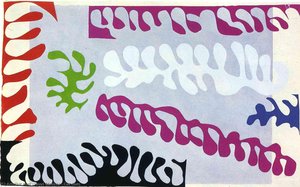
The composition immediately assaults the senses. A dominant teal background—a shade suggestive of both twilight and unease—is fractured by swirling, violently intertwined lines in shades of purple and magenta. These aren’t neat, controlled strokes; they are a deliberate act of disruption, mirroring the feeling of being overwhelmed by internal turmoil. The lack of a clear focal point forces the viewer's eye to dart across the surface, mimicking the restless, fragmented experience of panic itself. The overall effect is less about depicting a specific scene and more about conveying an intense emotional state – a raw, unfiltered expression of anxiety.
Automatism: A Journey Beyond Conscious Control
Masson’s technique—Automatism—was central to his artistic practice. Rejecting the constraints of rational thought and deliberate planning, he sought to tap into the unconscious mind through spontaneous action. In “Panic,” this manifests as a seemingly chaotic outpouring of lines, yet beneath the surface lies a carefully orchestrated process. Masson would often begin with sand drawings, allowing the subconscious to dictate the initial forms, then translate these images onto paper using various tools – in this case, etching techniques—to create the final image. This method aimed to bypass conscious control and reveal hidden emotions and associations.
The influence of Surrealism is undeniable, but Masson’s approach extends beyond simple dream imagery. He was deeply interested in primal emotions, exploring themes of violence, eroticism, and metamorphosis – all powerfully represented within the swirling forms of “Panic.” The piece echoes the work of artists like André Breton and Joan Miró, yet possesses a uniquely personal intensity, reflecting Masson's own struggles with psychological turmoil.
Symbolic Echoes: Violence, Repression, and the Unconscious
The imagery within "Panic" is rich in symbolic potential. The tangled lines can be interpreted as representing repressed emotions struggling to surface, a visual manifestation of internal conflict. The use of dark teal and vibrant purples and magentas creates a dramatic contrast, suggesting a battle between opposing forces – perhaps order versus chaos, reason versus instinct. Some viewers have noted the resemblance to organic forms—twisted limbs or distorted figures—suggesting a sense of fragmentation and loss of control.
Interestingly, Masson’s work frequently engaged with themes of violence, reflecting anxieties prevalent in post-war Europe. The piece can be seen as an exploration of the destructive potential within the human psyche – a warning against succumbing to overwhelming fear and losing oneself in the chaos of internal struggle. The title itself—"Panic"—underscores this central theme, encapsulating the feeling of being trapped within one’s own anxieties.
A Legacy of Raw Emotion: Masson's Enduring Impact
“Panic” stands as a powerful testament to André Masson’s innovative approach to art. It’s not a comfortable piece; it demands engagement and invites introspection. His exploration of Automatism, combined with his unflinching portrayal of psychological turmoil, cemented his place as a key figure in the Surrealist movement and beyond. Reproductions of this work continue to resonate today, offering a glimpse into the complexities of the human experience – a reminder that beneath the surface of everyday life, there often lies a turbulent landscape of anxieties and unresolved emotions.
Pytania i odpowiedzi
Do którego okresu twórczości André Masson należy dzieło "Panic"?
"Panic" reprezentuje Surrealist Automatic Drawing twórczości André Masson.
Czy mogę użyć rozszerzonej rzeczywistości, aby zobaczyć „Panic” – André Masson w swoim pokoju?
„Panic” posiada podgląd w rozszerzonej rzeczywistości: strona Podgląd w AR pozwala zobaczyć dzieło w Twojej własnej przestrzeni na kompatybilnym urządzeniu.
Jaki jest dominujący kolor dzieła „Panic” – André Masson?
Dominującym odcieniem w „Panic” – André Masson jest Green to Violet Spectrum.




 Przełącz na wydania drukowane


 W przypadku dzieł sztuki lub reprodukcji, których którykolwiek z boków przekracza 105 cm (około 41 cali), rama zostanie wysłana w formie zestawu do samodzielnego montażu. Metoda ta zapewnia bezpieczną dostawę i zapobiega uszkodzeniom podczas transportu.


