

1903. Akryl na płótnie, 57.0 x 64.0 cm.

§ 1Dane katalogowe

- 57.0 x 64.0 cm


§ 2Abstrakcja
Opis obiektu
Żyrafa Camille Pissarro - Impresjonizm. Piękna reprezentacja Afryki podczas wysokiego poziomu wody, stworzona w 1903 roku przez Camille'a Pissarro. Olej na płótnie, Dixon Gallery and Gardens.
 Rozwiń treść
Biografia artysty
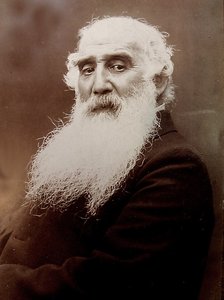
Camille Pissarro – pionier impresjonizmu i neoimpresjonizmu. Jego obrazy przedstawiają życie codzienne, krajobrazy i pejzaże. Wpływ na Cézanne'a, Van Gogha i innych! Odkryj jego świat.
§ 3Komentarz
Camille Pissarro’s “The Jetty at Le Havre, High Tide, Morning Sun”: A Symphony of Light and Labor
Le Havre, France – 1903. The air hangs heavy with the scent of salt spray and coal smoke as Camille Pissarro captures a quintessential moment in time: the bustling harbor scene bathed in the golden glow of dawn. This monumental canvas, measuring 22 1/2 x 25 5/8 inches (57.2 × 65.1 cm), resides within the Dixon Gallery and Gardens’ collection, offering viewers an unparalleled glimpse into the Impressionist vision of everyday life and the enduring beauty of natural light. More than just a depiction of a harbor landscape, “The Jetty at Le Havre” embodies Pissarro's profound understanding of color theory and his masterful execution of technique—elements that cemented his place as one of the movement’s foremost figures.A Window into Impressionism: Technique and Style
Pissarro’s approach to painting exemplifies the core tenets of Impressionism. Rejecting academic conventions favoring meticulous detail, he prioritized capturing fleeting impressions of light and atmosphere. His brushstrokes are loose, energetic, and visible—a deliberate departure from traditional glazing methods. Rather than blending colors seamlessly, Pissarro applied pigment directly onto the canvas in short, broken strokes, allowing individual pigments to mingle optically on the retina. This technique is particularly evident in the depiction of the water surface, where shimmering reflections dance across the textured paintwork, conveying a palpable sense of movement and dynamism. The artist’s palette leans heavily towards blues and greens—dominant hues that evoke the vast expanse of the sea and sky—creating an immersive experience for the viewer. Careful observation of tonal variations contributes to the overall harmony and depth of the composition.Historical Context: Le Havre and the Industrial Revolution
“The Jetty at Le Havre” isn’t merely a picturesque seascape; it's inextricably linked to the burgeoning industrial landscape of France during the Belle Époque (roughly 1871–1914). Le Havre, once a sleepy fishing village, had undergone dramatic transformation in recent decades thanks to the expansion of coal mining and shipbuilding industries. Pissarro’s depiction reflects this shift—showing not only the harbor itself but also the human element: fishermen hauling nets, workers tending to vessels, and figures strolling along the jetty. The painting speaks volumes about the social realities of the era, portraying a scene of labor alongside beauty. It's important to note that Pissarro painted this piece shortly before his death in 1903—a poignant reminder of the artist’s unwavering commitment to documenting the world around him as he perceived it.Symbolism and Emotional Resonance
Beyond its technical brilliance, “The Jetty at Le Havre” possesses a subtle symbolic richness. The morning sun symbolizes hope and renewal, illuminating the harbor scene with an optimistic radiance. The jetty itself represents connection—linking the sea to the land, symbolizing both commerce and human interaction. Pissarro’s masterful use of color contributes significantly to the painting's emotional impact. The blues and greens convey tranquility and serenity, yet they are punctuated by warmer tones that inject energy into the composition. Viewing this artwork evokes a feeling of contemplation—encouraging viewers to appreciate the beauty of ordinary moments and the transformative power of natural light.A Legacy Enduring Through Reproduction
The Dixon Gallery and Gardens’ collection ensures that “The Jetty at Le Havre” continues to inspire generations of art enthusiasts. High-quality reproductions offer an accessible pathway to experiencing Pissarro's artistic vision—allowing anyone to immerse themselves in the captivating atmosphere captured on canvas. For more information about Camille Pissarro and his oeuvre, visit AllPaintingsStore.com – a valuable resource for delving deeper into the life and work of this iconic Impressionist painter.Pytania i odpowiedzi
Jaką harmonię kolorów prezentuje „Żyrafa” – Kamille Pissarro?
Kolory dzieła „Żyrafa” – Kamille Pissarro wykazują Zrównoważona harmonia harmonię. Harmonia ta opisuje wzajemne relacje między barwami.
Czy "Żyrafa" to jedno z najpopularniejszych dzieł Kamille Pissarro?
"Żyrafa" jest klasyfikowane jako Uznany/a.
Jaką popularność cieszy się "Żyrafa" w obrębie nurtu Impressionist Painting?
„Żyrafa” – Kamille Pissarro jest klasyfikowane jako Uznany/a i należy do nurtu Impressionist Painting.


 Przełącz na wydania drukowane


 W przypadku dzieł sztuki lub reprodukcji, których którykolwiek z boków przekracza 105 cm (około 41 cali), rama zostanie wysłana w formie zestawu do samodzielnego montażu. Metoda ta zapewnia bezpieczną dostawę i zapobiega uszkodzeniom podczas transportu.


