


 Podgląd w skali 1:1
 Wyślij jako kartkę
 Udostępnij
 Szczegóły dzieła
 Przewodnik

 Pobierz obraz
 Podobne obiekty
 RTG
RTG Pokaz slajdów
 Q&A
Q&A Statystyki
Drifting Clouds
 Akryl na płótnie
- Sztuka ścienna
- Romantic Idealism
 1820
1820 18.0 x 24.0 cm
 Hamburger Kunsthalle
 Rozwiń treść
Otrzymaj plik gotowy do druku, którego jakość znacznie przewyższa podgląd internetowy. Każdy sprzedawany przez nas obraz cyfrowy pochodzi z wysokorozdzielczego pliku wzorcowego w naszej bazie — zazwyczaj o szerokości od 5 000 do 15 000 pikseli — dzięki czemu możesz drukować w dużym formacie, mocno kadrować lub z pełnym przekonaniem odwzorowywać najdrobniejsze detale.
Żaden plik nie opuszcza naszego studia bez odpowiedniej obróbki. Ekspert ds. cyfrowej edycji sprawdza zgodność kolorów z oryginałem i w razie potrzeby je koryguje, a następnie za pomocą profesjonalnych narzędzi do retuszu poprawia ostrość oraz szczegółowość — zawsze zachowując wierność pociągnięciom pędzla i stylowi artysty. Rezultatem jest obraz, który wygląda jak prawdziwe dzieło, a nie jak przefiltrowany skan.
Zatwierdzasz przed finalizacją zamówienia: nasz ekspert prześle obraz drogą mailową w ciągu 72 godzin do Twojego wglądu. Nie jesteś zadowolony? Poproś o poprawki lub korektę, bądź o zwrot kosztów, jeśli jakość nie spełnia oczekiwań.
To jakość, na której polegają wydawcy, studia projektowe, galerie oraz drukarnie.
Obraz cyfrowy
Pobierz plik o wysokiej rozdzielczości do osobistego użytku, druku oraz projektów kreatywnych. ( Przełącz na wydania drukowane Zamów ręcznie malowaną reprodukcję)
W każdym zamówieniu na obraz cyfrowy znajduje się
Profesjonalna dostawa cyfrowa z gwarancją
Wybierając AllPaintingsStore.com, nie otrzymujesz jedynie obrazu – otrzymujesz profesjonalnie udoskonalone cyfrowe dzieło sztuki, stworzone z najwyższą precyzją i objęte gwarancją satysfakcji. Oto wszystko, co automatycznie dołączane jest do Twojego zamówienia:

Błyskawiczna wysyłka e-mailowa
Plik z obrazem cyfrowym w wysokiej rozdzielczości zostanie przesłany na Twój adres e-mail w ciągu 72 godzin od złożenia zamówienia – gotowy do natychmiastowego użycia.

Plik cyfrowy wzbogacony przez AI
Twoja grafika została profesjonalnie zoptymalizowana przy użyciu zaawansowanych narzędzi AI oraz ręcznej edycji, co zapewnia maksymalną szczegółowość, klarowność i wierność kolorów.

Darmowe ponowne przesyłki dożywotnio
Przypadkowo usunąłeś lub zgubiłeś swój plik? Bez obaw – prześlemy go Tobie ponownie w dowolnym momencie, bez żadnych opłat.

Bez opłat importowych – zawsze
Ciesz się swoją sztuką natychmiast, bez żadnych opłat celnych, należności ani kosztów dostawy – pliki cyfrowe są zawsze wolne od podatku.

Gwarancja wierności kolorów
Dzięki zastosowaniu profesjonalnych narzędzi i procesów zarządzania barwą zapewniamy, że Twoje cyfrowe zdjęcie odzwierciedla oryginalne kolory tak wiernie, jak to tylko możliwe.

Gwarancja satysfakcji przez 100 dni
Jeśli nie będziesz zadowolony ze swojego cyfrowego obrazu, dokonamy jego poprawki lub zwrócimy 100% kosztów w ciągu 100 dni – bez zbędnych pytań.

100% Gwarancja zwrotu pieniędzy
Nie jesteś zadowolony? Otrzymaj pełny zwrot kosztów w ciągu 100 dni od otrzymania pliku cyfrowego – bez zbędnych pytań.

Rabaty przy zamówieniach hurtowych
Kup 3 obrazy, oszczędź 10% - Kup 5, oszczędź 15% - Kup 10+, oszczędź 20%. Idealne do projektów kreatywnych, galerii i agencji.
Friedrich’s Vision of Tranquility: Exploring ‘Drifting Clouds’
Caspar David Friedrich’s Drifting Clouds isn't merely a landscape painting; it’s an embodiment of Romantic idealism—a profound meditation on the sublime beauty and inherent mystery of nature. Created in 1820, this artwork measuring 18 x 24 cm resides at the Kunsthalle Hamburg, Germany, offering viewers a glimpse into Friedrich’s uniquely sensitive artistic worldview.Composition and Atmosphere
The painting immediately draws the eye with its serene panorama: towering mountains draped in ethereal mist dominate the scene, while a gently flowing river winds through a verdant valley below. Scattered rocks punctuate the landscape, contributing to the overall sense of natural grandeur. Crucially, Friedrich employs atmospheric perspective—a technique pioneered by Constable—to create depth and luminosity, subtly blurring distant features and intensifying colors closer to the viewer’s eye. This masterful manipulation of light imbues the canvas with an otherworldly glow, fostering a feeling of contemplative stillness.Symbolism: Beyond Representation
Friedrich's art consistently transcends simple visual depiction; it seeks to communicate deeper spiritual truths. The misty mountains represent not just physical terrain but also the unknowable realms beyond human comprehension—the sublime—a concept central to Romantic thought. Conversely, the valley symbolizes tranquility and peace, offering respite from worldly anxieties. The drifting clouds serve as a poignant metaphor for the fleeting nature of existence, reminding us that beauty and wonder are constantly evolving, urging contemplation on life’s transient journey.Technique: Impasto and Light
Friedrich's distinctive style is characterized by impasto—thickly applied paint—which creates textural surfaces that capture the dynamism of light and shadow. This technique allows for a remarkable level of detail while simultaneously conveying an impression of movement and energy, mirroring the ceaseless transformations occurring within the natural world. The artist’s meticulous attention to color palettes—primarily muted blues and greens—further enhances the painting's emotive power, fostering a connection between the viewer and the landscape depicted.A Legacy of Inspiration
‘Drifting Clouds’ stands as a testament to Friedrich’s enduring influence on subsequent generations of artists. Like Constable’s own landscapes, it champions the expressive potential of art—its capacity to evoke profound feelings and stimulate intellectual reflection. Today, reproductions of this masterpiece continue to captivate audiences worldwide, offering an opportunity to experience firsthand the sublime beauty and contemplative spirit that defined Friedrich's artistic legacy.Discover exquisite handmade oil painting reproductions at AllPaintingsStore.com – bringing Friedrich’s vision of tranquility into your home.
Explore these evocative works alongside ‘Drifting Clouds’ – showcasing Friedrich's mastery of landscape painting and his ability to inspire awe.
Pytania i odpowiedzi
Do jakiego wnętrza polecane jest dzieło „Drifting Clouds” – Caspar David Friedrich?
Reprodukcja "Drifting Clouds" doskonale pasuje do Salon lub strefa dzienna.
Co przedstawia „Drifting Clouds” – Caspar David Friedrich i jaki ma nastrój?
„Drifting Clouds” – Caspar David Friedrich przedstawia mountains, mist, landscape, atmosphere, sublime, tranquility, spirituality, reflection, wprowadzając Romantyczny nastrój. Tematyka i atmosfera wspólnie definiują to dzieło.
Co przedstawia „Drifting Clouds” – Caspar David Friedrich?
„Drifting Clouds” – Caspar David Friedrich przedstawia: mountains, mist, landscape, atmosphere, sublime, tranquility, spirituality, reflection.
Podobne dzieła


Biografia artysty
A Solitary Vision: The Life and Art of Caspar David Friedrich
Born in the Baltic port city of Greifswald in 1774, Caspar David Friedrich’s life was steeped in a melancholic atmosphere that would profoundly shape his artistic vision. His early years were marked by loss – the deaths of his mother and siblings cast a long shadow, fostering a sensitivity to mortality and transience that became central themes in his work. Initially educated by his older brother Christian in drawing, Friedrich’s formal training began at the University of Leipzig, where he pursued both art and theology, though neither degree was completed. This dual interest – a fascination with the visual world alongside a deep spiritual questioning – would prove crucial to his development as an artist. Further studies in Copenhagen honed his technical skills, exposing him to landscape painting traditions that would serve as a foundation for his unique style, yet it was not imitation he sought but rather expression—a means of conveying inner emotional states through the language of nature.The Birth of Romantic Landscape
Friedrich’s artistic journey wasn't merely about depicting scenery; it was about imbuing landscapes with profound symbolic meaning. He moved away from the meticulous detail favored by earlier artists, embracing a more personal and expressive approach. His paintings are characterized by an emphasis on the sublime – evoking feelings of awe, terror, and spiritual connection in the face of nature’s grandeur. The use of *Rückenfiguren*, figures seen from behind, became a signature element, inviting viewers to step into the scene and share in the contemplative experience. Natural elements like ancient trees, towering mountains, swirling fog, and crumbling ruins weren't simply picturesque details; they were potent symbols representing life’s cycles, spiritual longing, and the weight of history. His palette, often muted with blues, grays, and browns, further enhanced the mood of introspection and solemnity that pervades his work. He pioneered a way to depict landscapes not as mere views but as reflections of the human soul—a revolutionary concept for its time.Iconic Works and Enduring Themes
Several paintings stand out as defining examples of Friedrich’s artistic achievement. “The Abbey in the Oakwood” (1809-1810), a haunting image of a ruined churchyard enveloped by bare trees, speaks powerfully to themes of mortality and spiritual decay. It exemplifies his masterful use of light and shadow to convey emotion and invites contemplation on the passage of time. Perhaps his most famous work, “Wanderer Above the Sea of Fog” (c. 1818), encapsulates the Romantic ideal of the individual confronting the vastness and mystery of existence. The figure, silhouetted against a swirling sea of mist, embodies both human aspiration and insignificance—a poignant reminder of our vulnerability in the face of nature’s immensity. “Chalk Cliffs on Rügen” (1818) demonstrates his mastery of atmospheric effects and subtly conveys a sense of national identity—a growing concern in the fragmented political landscape of early 19th-century Germany. The composition draws inspiration from Dutch landscape painters like Jacob van Ruisdael, reflecting Friedrich’s admiration for classical artistic traditions. Even more dramatic is “The Sea of Ice” (1824), a chilling depiction of an Arctic wasteland, representing nature’s immense power and indifference to human fate—a testament to the sublime and Friedrich's ability to capture the psychological impact of confronting overwhelming natural forces. Recurring throughout his oeuvre are themes of nature as a manifestation of the divine, the fragility of humanity in the face of cosmic forces, melancholy, solitude, spiritual yearning, and a burgeoning sense of German nationalism.Influences and Artistic Development
Friedrich’s artistic development was shaped by several key influences. He studied under Johann Christian Dahl, whose landscapes instilled in him a fascination with atmospheric perspective and tonal modulation—techniques he would skillfully employ throughout his career. Furthermore, Friedrich engaged deeply with the philosophical ideas of Immanuel Kant, particularly Kant's concept of transcendental idealism, which questioned the certainty of human perception and emphasized the role of imagination in shaping our experience. These intellectual currents informed his artistic vision, prompting him to explore the relationship between mind and nature—a central preoccupation that distinguishes his work from earlier landscape painters. He rejected academic conventions, prioritizing emotional expression over precise representation, establishing himself as a pioneer of Romantic art.Legacy and Rediscovery
Caspar David Friedrich’s art resonated deeply with audiences during his lifetime, though it wasn't universally appreciated. Despite facing criticism for perceived obscurity and lack of technical virtuosity, he achieved considerable renown among fellow artists and intellectuals. However, Friedrich experienced a significant rediscovery in the late 20th century, becoming widely recognized as one of the most important figures in German Romanticism—a movement that profoundly impacted European art and culture. His emphasis on subjective experience and emotional expression paved the way for later movements like Symbolism and Surrealism, influencing generations of artists who sought to explore the inner world through visual means. He remains a pivotal figure whose work continues to inspire awe and contemplation, reminding us of the profound connection between humanity and the natural world—a connection that Friedrich eloquently captured in his unforgettable landscapes.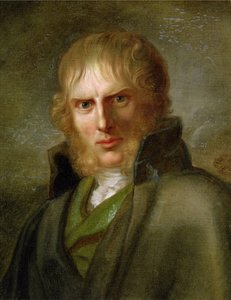
Caspar David Friedrich
1774 - 1840 , Niemcy
Krótka nota
- Artistic Movement Or Style: Romantyzm
- Artists Or Movements Influenced By This Artist:
- Symbolizm
- Surrealizm
- Artists Who Influenced This Artist:
- Holenderscy Mistrzowie
- J.C. Dahl
- Date Of Birth: 5 września 1774
- Full Name: Caspar David Friedrich
- Nationality: Niemiec
- Notable Artworks:
- Abbey w Oleśnicy
- Wędrowiec nad Morzem Mgły
- Żwiry Rugii
- Place Of Birth: Greifswald, Niemcy

