


 Podgląd w skali 1:1

 Wyślij jako kartkę
 Udostępnij
 Szczegóły dzieła
 Przewodnik


 Pobierz obraz
 Podobne obiekty
 RTG
 Pokaz slajdów
 Pytania i odpowiedzi
 Statystyki
Cephalu

- 90.0 x 116.0cm

 Rozwiń treść
Giclée / Wydruk artystyczny
Wydruki giclée lub płótna o jakości muzealnej, szybka realizacja i szeroki wybór opcji wykończenia. ( Zamów ręcznie malowaną reprodukcję Przejdź do wersji cyfrowej)
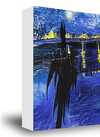
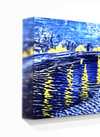
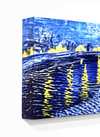
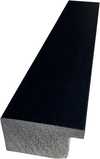
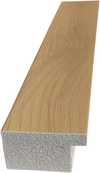
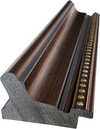
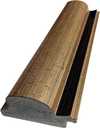
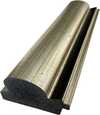
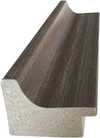
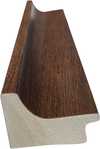
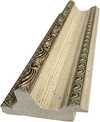
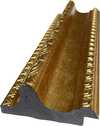
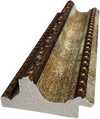
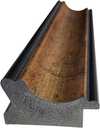
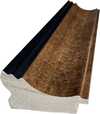
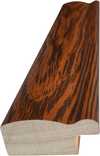
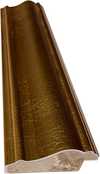
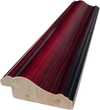
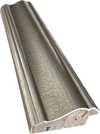
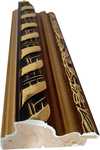
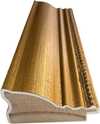
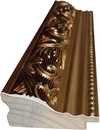
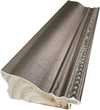
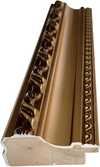
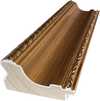
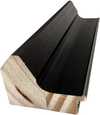
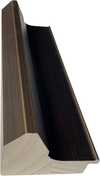
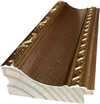
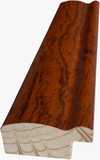
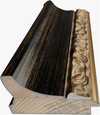
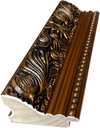
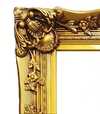
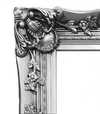
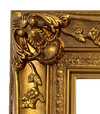
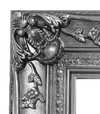
Wybierz spośród naszych standardowych rozmiarów, które zachowują oryginalne proporcje dzieła sztuki.

Wpisz wymaganą szerokość i wysokość, aby dopasować grafikę do ramy lub ściany. Wydruk można jedynie przyciąć, nigdy nie powiększając go poza oryginalny obraz, dlatego format o innych proporcjach spowoduje utratę części kompozycji. Przed rozpoczęciem druku prześlemy Ci cyfrowy podgląd do zatwierdzenia. Obraz wyświetlany na tej stronie nie pokazuje rzeczywistego przycięcia — jedynie podgląd oddaje ten efekt.
Dostawa na cały świat () w ciągu 2 tygodni zamiast standardowych 4/5 tygodni. (18 Listopad)

Bezpłatna ekspresowa wysyłka na cały świat

Wysokiej jakości płótno lniane

Pełne ubezpieczenie przesyłki

Gwarancja zwrotu należności celnych i podatków importowych

Gwarancja wiernego odwzorowania kolorów

100-dniowa polityka zwrotów (tylko w przypadku wad)

Gwarancja 100% zwrotu pieniędzy

Zniżka przy zakupie wielu sztuk
 Opcja ze szkłem jest dostępna wyłącznie w rozmiarach poniżej 110 cm

Cephalu
Giclée / Wydruk artystyczny
Wymiary reprodukcji
-


Cena całkowita
zł 253
Podobne dzieła


Biografia artysty
Patrons, Workshop and Commissions
Rottmann’s life was closely tied to the Bavarian court. He spent much of his time teaching drawing to those within the royal circle, including his cousin, Princess Therese of Bavaria. His influence extended to the education of Crown Prince Ludwig, who would later become King Ludwig II of Bavaria. This connection led to a specific commission in 1861, when the Crown Prince asked him to design the scenery and costumes for a production of Lohengrin by Richard Wagner. His teaching also reached beyond Munich, as he served as the drawing teacher for King Otto of Greece and Prince Luitpold.
The Bavarian court provided significant work for him through large-scale watercolor cycles. In 1854 and 1858, he received two major commissions to produce these works, which focused on the hunting grounds of Maximilian II and views of the Tyrolean, Swiss, and Bavarian Alps. These pieces were eventually acquired by the royal copperplate engraving collection, known today as the Graphic Collection in Munich. His long-standing relationship with the monarchy was formalized in 1868 when he was named court painter.
Technique and Style
Leopold Rottmann found his most natural expression in watercolors. While his approach was rooted in Naturalism, his hand often followed the patterns of Classically trained painters. The influence of Joseph Anton Koch and Friedrich Preller the Elder is visible in how he structured his landscapes. He did not seek the sharp, rigid lines found in the work of his brother, Carl. Instead, he rendered the textures of rocks and the edges of trees with a softer, more blurred quality. This choice allowed for a gentler transition between the elements of the landscape.
As his practice evolved, his focus shifted toward the way light moves across a scene. His later watercolors show a growing preoccupation with the natural appearance of light and how it settles on the land. This change in observation brought a shift in his palette. His earlier works leaned heavily on greens, blues, and yellow-green tones. In his later years, these colors gave way to a predominance of brown tones, creating a different atmosphere in his compositions.
Key Works
His early output often focused on the rugged terrain of the Alps. In 1834, he produced Der Untersberg von Berchtesgaden aus gesehen, a work that emerged from his studies of the Bavarian and Salzburg mountains. Around 1830, he painted Königssee mit dem Einschiffungsplatz, capturing the specific atmosphere of the lakeside landing area. This interest in the water and the surrounding peaks continued in later compositions such as Am Königssee and Am Vierwaldstätter See.
The artist also turned his attention to different landscapes and specific geological features. His 1837 work Dalmatinische Küstenlandschaft shows a departure from the alpine settings toward the coastal views of the Adriatic. Other notable pieces include Aus dem Inntal and Barmsee mit der Zugspitze, which reflect his continued engagement with the natural forms of the mountains and the way light settles upon them.

Leopold Rottmann
1812 - 1881 , Germany
Krótka nota
- Artistic Movement Or Style: Naturalist, Romanticism
- Artists Who Influenced This Artist:
- Joseph Anton Koch
- Friedrich Preller the Elder
- Full Name: Leopold Rottmann
- Nationality: German
- Notable Artworks:
- Am Königssee
- Am Vierwaldstätter See
- Aus dem Inntal
- Barmsee mit der Zugspitze
- Schloßhof von Hohenschwangau
- Place Of Birth: Heidelberg, Germany
- Date Of Birth: 1812
- Date Of Death: 1881
Powiązane artykuły

Dekonstrukcja Rzeczywistości: Początki i Trwały Wpływ Kubizmu Analitycznego
Odkryj fascynującą historię kubizmu analitycznego i jego wpływ na sztukę XX wieku. Analiza twórczości Cézanne'a, Picassa i Braque'a. Ekspercka wiedza dla kolekcjonerów i miłośników sztuki.

Lorenzo Lotto: Unveiling the Enigma of a Venetian Master's Portraits
Explore the captivating world of Lorenzo Lotto, a Venetian Renaissance master renowned for his psychologically insightful portraits & enigmatic symbolism. Discover his life, style, and rediscovered legacy with AllPaintingsStore.