


 Podgląd w skali 1:1
 Wyślij jako kartkę
 Udostępnij
 Szczegóły dzieła
 Przewodnik

 Pobierz obraz
 Podobne obiekty
 RTG
RTG Pokaz slajdów
 Pytania i odpowiedzi
 Statystyki
Krzyż

- 448.0 x 390.0 cm


 Rozwiń treść
Giclée / Wydruk artystyczny
Wydruki giclée lub płótna o jakości muzealnej, szybka realizacja i szeroki wybór opcji wykończenia. ( Zamów ręcznie malowaną reprodukcję Przejdź do wersji cyfrowej)




P118B zł10

P118H zł10

P118W zł10

P438Z zł10

P508JH zł12

P508YH zł12

P805H zł10

P805Z zł10

P919BZ zł10

P919G zł10

P919XJ zł10

P959ZH zł10

P968JZ zł12

W106C zł8

W218G zł10

W218JH zł8

W218Y zł10

W307PJ zł10

W316G zł10

W316PJ zł8

W316Y zł10

W398PJ zł8

W4111J zł10

W500HY zł15

W500JH zł15

W692G zł12

W849H zł8

W940BG zł15

W953PJ zł8




Wybierz spośród naszych standardowych rozmiarów, które zachowują oryginalne proporcje dzieła sztuki.

Wpisz wymaganą szerokość i wysokość, aby dopasować grafikę do ramy lub ściany. Wydruk można jedynie przyciąć, nigdy nie powiększając go poza oryginalny obraz, dlatego format o innych proporcjach spowoduje utratę części kompozycji. Przed rozpoczęciem druku prześlemy Ci cyfrowy podgląd do zatwierdzenia. Obraz wyświetlany na tej stronie nie pokazuje rzeczywistego przycięcia — jedynie podgląd oddaje ten efekt.
Dostawa na cały świat () w ciągu 2 tygodni zamiast standardowych 4/5 tygodni. (17 Listopad)

Bezpłatna ekspresowa wysyłka na cały świat

Wysokiej jakości płótno lniane

Pełne ubezpieczenie przesyłki

Gwarancja zwrotu należności celnych i podatków importowych

Gwarancja wiernego odwzorowania kolorów

100-dniowa polityka zwrotów (tylko w przypadku wad)

Gwarancja 100% zwrotu pieniędzy

Zniżka przy zakupie wielu sztuk
 Opcja ze szkłem jest dostępna wyłącznie w rozmiarach poniżej 110 cm

Krzyż
Giclée / Wydruk artystyczny
Wymiary reprodukcji
-


Cena całkowita
zł 253
Arcydzieło pod wpływem bizantyjskim
"Krzyż" Cimabuego jawi się jako monumentalne dzieło z końca XIII wieku, będące ucieleśnieniem przejścia od bizantyjskiej ikonografii do wczesnorenesansowego realizmu. Stworzony około roku 1287, ten wielkoformatowy krucyfiks stanowi świadectwo innowacyjnego podejścia Cimabuego, łączącego tradycyjną symbolikę religijną z rodzącymi się technikami artystycznymi, które utorowały drogę przyszłym mistrzom, takim jak Giotto.Tematyka i kompozycja
Dzieło przedstawia ukrzyżowanie Jezusa Chrystusa, centralny temat w sztuce chrześcijańskiej. Kompozycja podąża za tradycyjnym układem krzyżowym, z postacią Jezusa umieszczoną w sposób wyrazisty w samym centrum. Po obu stronach krzyża znajdują się dwie opłakiwane postacie, prawdopodobnie reprezentujące Matkę Bożą oraz św. Jana Ewangelistę, co nadaje scenie głębi emocjonalnej.Styl i technika
Styl Cimabuego charakteryzuje się połączeniem wpływów bizantyjskich z innowacjami wczesnego renesansu. Użycie bogatych barw, w szczególności głębokich błękitów, czerwieni i złota, tworzy poczucie czci i boskości. Postacie zostały oddane z bardziej naturalnymi proporcjami i wyrafinowanym światłocieniem w porównaniu do wcześniejszej sztuki średniwerking, co sugeruje trójwymiarowość i głębię. Dzieło zostało wykonane techniką tempery na drewnianej płycie, co było powszechną metodą w tamtym okresie. Akcenty ze złota dodają scenie świetlistości, potęgując jej sakralny charakter. Skrupulatna dbałość o szczegóły w przedstawieniu skóry i szat postaci ukazuje mistrzostwo Cimabuego w jego rzemiośle.Kontekst historyczny
Cimabue, urodzony około 1240 roku we Florencji, był kluczową postacią w ewolucji sztuki włoskiej. Jego twórczość oznaczała znaczące odejście od płaskich, schematycznych metod malarstwa bizantyjskiego, wprowadzając elementy realizmu i ekspresji emocjonalnej, które stały się znakami rozpoznawczymi renesansu. "Krzyż" jest jednym z najwcześniejszych przypisywanych Cimabue dzieł, zamówionym przez zakon dominikanów dla Bazyliki San Domenico w Arezzo. To zlecenie podkreśla znaczenie sztuki religijnej w społeczeństwie średniowiecznym oraz rolę artystów takich jak Cimabue w kształtowaniu doświadczeń duchowych poprzez wizualną narrację.Symbolika i oddziaływanie emocjonalne
Scena ukrzyżowania jest nasycona elementami symbolicznymi, w tym samym krzyżem, reprezentującym ofiarę i odkupienie, oraz nimbami wokół głów postaci, oznaczającymi ich świętość. Postacie opłakujące po obu stronach przekazują żal i smutek, dodając dziełu wymiar emocjonalny. Przedstawienie ciała Chrystusa przez Cimabuego, wykonane z użyciem cieniowania i poczucia plastyczności, nadaje głębokie wrażenie cierpienia i człowieczeństwa. To odejście od sztywnych, bizantyjskich postaci Chrystusa na krzyżu zapowiada bardziej ekspresyjne i naturalistyczne przedstawienia, które zdefiniowały sztukę renesansu.Dlaczego warto kolekcjonować lub eksponować to dzieło
Dla miłośników sztuki, kolekcjonerów i projektantów wnętrz "Krzyż" Cimabuego oferuje unikalne połączenie znaczenia historycznego i artystycznego geniuszu. Jego bogata paleta barw, misterne detale i głębia emocjonalna sprawiają, że jest to urzekający dodatek do każdej kolekcji. Jako wysokiej jakości reprodukcja, dzieło to może służyć jako uderzający punkt centralny zarówno w wnętrzach tradycyjnych, jak i współczesnych. Jego ponadczasowe tematy i mistrzowskie wykonanie gwarantują, że pozostanie ono cenionym obiektem przez nadchodzące pokolenia. Doświadcz głębokiego piękna i duchowego rezonansu "Krzyża" Cimabuego – arcydzieła łączącego epokę średniowiecza z renesansem, które wnosi odrobinę świętej sztuki do Twojej przestrzeni.Pytania i odpowiedzi
W jaki sposób kolory dzieła „Krzyż” – Cimabue korespondują z jego ładunkiem emocjonalnym?
W "Krzyż" kolorystyka Barwy neutralne współgra z Duchowy nastrojem.
Czy „Krzyż” – Cimabue to jasne czy ciemne dzieło?
Pod względem postrzeganej jasności, „Krzyż” – Cimabue jest świetlisty.
Jakie wnętrze najlepiej współgra z kolorystyką „Krzyż” – Cimabue?
Kolorystyka Barwy neutralne w dziele „Krzyż” – Cimabue idealnie współgra z rekomendowanym wnętrzem: Salon lub strefa dzienna.
Podobne dzieła


Biografia artysty
Życie i tożsamość Cimabue
W tętniących życiem ulicach florenckiej Italii, około 1240 roku, rozpoczął swój żywot człowiek znany jako Giovanni Cimabue. Wielu znało go pod imionami Cenni di Pepo lub Cenni di Pepi – imionami należącymi do artysty przeznaczonego do ukształtowania języka wizualnego swojej epoki. Był malarzem i projektantem mozaik, rzemieślnikiem, którego dłonie potrafiły posługiwać się zarówno delikatnym pędzlem, jak i trwałym kamieniem. Mówiono o nim, że posiada silny, być może nawet buntowniczy duch, co przyniosło mu przydomek sugerujący upór byka. Ta nieustępliwość nie była jednak wadą, lecz siłą napędową, która pozwoliła mu spojrzeć na sztywne tradycje stylu bizantyjskiego i poszukać w sztuce czegoś bardziej ludzkiego.
Jego droga była procesem nieustannego ruchu i ewoluującego celu. Choć jego korzenie pozostały mocno osadzone w tradycji florenckiej, praca niosła go przez cały krajobraz Toskanii. Nie ograniczał się jedynie do powielania ikon przeszłości; dążył do tchnięcia życia w malowane przez siebie postaci. Ta ambicja pchnęła go ku eksperymentom nad tym, jak światło może padać na twarz lub jak ciało może zajmować przestrzeń. Był człowiekiem zawieszonym między dwoma światami, oddającym cześć duchowej formalności dawnych obyczajów, a jednocześnie sięgającym ku nowemu sposobowi postrzegania świata przez bardziej naturalny pryzmat.
Ostatnie lata życia oddaliły go od miasta urodzenia, prowadząc ku wybrzeżu. Ostatecznie odszedł w Pizie w 1302 roku. Choć jego życie upłynęło na cichej pracy w warsztacie i tworzeniu monumentalnych mozaik, jego obecność pozostawiła trwały ślad w historii włoskiej sztuki. Przeżył czasy głębokich przemian, stając się pomostem dla tych, którzy podążyli jego śladami.
Wczesne lata i kształcenie artystyczne
Urodzony we Florencji około 1240 roku młody człowiek, który miał stać się znany jako Cimabue, wkroczył w świat, w którym tradycje Bizancjum wciąż mocno trzymały ducha sztuki. Był dzieckiem florenckich ulic, dorastającym w krajobrazie, gdzie ciężka, złota formalność Wschodu spotykała się z nowym, niespokojnym pragnieniem czegoś bardziej ludzkiego. Choć dokładne szczegóły jego dzieciństwa pozostają spowite zasłoną czasu, wczesne lata były wyraźnie kształtowane przez rygorystyczną dyscyplinę florenckich warsztatów. To właśnie tutaj nauczył się panować nad delikatnym medium tempery jajecznej oraz wymagającą sztuką projektowania mozaik – umiejętnościami, które zdefiniowały jego długą karierę zarówno jako malarza, jak i twórcy mozaik.
Jego szkolenie nie było jedynie nauką nakładania pigmentu na drewno, lecz głębokim zanurzeniem w święty język ikonografii. Chłonął sposoby, w jakie światło było wykorzystywane do symbolizowania boskości, często poprzez nakładanie mieniącego się płatków złota, które zdawało się promieniować z samej deski. Jednak nawet w tych formacyjnych latach zaczęła wyłaniać się pewna siła woli. Pojawiło się poczucie, że nie zadowala go proste powielanie płaskich, symbolicznych postaci z przeszłości. Zamiast tego zaczął eksperymentować z tym, w jaki sposób ciało może zajmować przestrzeń, starając się nadać swoim postaciom poczucie ciężaru i obecności, których brakowało w dziełach jego poprzedników. Ta wczesna walka o zachowanie równowagi między ugruntowaną tradycją religijną a rodzącym się zainteresowaniem światem naturalnym miała stać się znakiem rozpoznawczym jego ręki.
Technika artystyczna i ewoluujący styl
W cichej, mozolnej pracy swojej pracowni, Cimabue dążył do tchnięcia nowego rodzaju życia w święte postaci swojej epoki. Tworzył głównie w technice tempery jajowej na drewnianych panelach, co wymagało od artysty niezwykle cierpliwej i zdyscyplinowanej ręki. Aby uzyskać niebiański blask niezbędny w przedstawieniach religijnych, często nakładał pigment na tło ze lśniącego płatków złota. W innych dziełach wykorzystywał temperę z dodatkiem złota, by stworzyć wrażenie boskiego światła. Jego dłonie z równą biegłością posługiwały się monumentalną skalą fresku, jak i misternymi, trwałymi wzorami mozaik, wykazując wszechstronność, która pozwalała mu swobodnie poruszać się między ścianami katedr a intymnym wymiarem wotywnych tablic.
W miarę jak jego wizja dojrzewała, w sposobie, w jaki traktował ludzką formę, zaczęła pojawiać się subtelna zmiana. Odchodził od płaskich, dwuwymiarowych sylwetek tradycji bizantyjskiej, poszukując zamiast tego sposobu na uchwycenie ciężaru i obecności prawdziwego ciała. Osiągał to poprzez coraz bardziej wyrafinowane stosowanie światłocienia, który sugerował objętość, pozwalając twarzy czy kończynie wydawać się zaokrąglonymi i trójwymiarowymi, a nie jedynie obrysowanymi liniami. To rosnące zainteresowanie realistycznymi proporcjami postaci sprawiało, że jego święci i Madonny zyskiwali fizyczną realność, która wydawała się bliższa ludziom klęczącym przed nimi. Nie był już zadowolony z samych symboli; pragnął ukazać ciało jako naczynie niosące prawdziwy ciężar i emocje.
- Biczowanie Chrystusa (ok. 1280)
- Szydzenie z Chrystusa (ok. 1280)
- Matka Boska z Dzieciątkiem w Majestacie otoczona przez sześciu aniołów (1270)
Główne zlecenia i kluczowe dzieła
Wczesne lata jego kariery ukazują człowieka, który już wtedy zmagał się z ciężarem tradycji. Około 1268 roku stworzył Krucyfiks, dzieło, które w późniejszych wiekach stało się przedmiotem studiów ze względu na swoją głęboką medytację nad cierpieniem. Następnie, około 1270 roku, powstał Krucyfiks w San Domenico w Arezzo, gdzie ciało Chrystusa zdaje się uginać pod ciężarem własnej męki. W tym samym okresie namalował Madonnę z Dzieciątkiem w Majestacie otoczoną przez sześciu aniołów – dzieło z 1270 roku, które ukazuje jego warsztat pracujący w ramach ustalonych wówczas wzorców. Nawet w tych wczesnych próbach można wyczuć ducha dążącego do wyjścia poza płaskie, odległe figury przeszłości.
Wraz z upływem dekad jego pędzel stawał się coraz bardziej śmiały. Do 1278 roku ukończył Madonnę na tronie z Dzieciątkiem, św. Franciszkiem i czterema aniołami, kompozycję, która nadała świętym postaciom nowe poczucie obecności. Ta ewolucja trwała nadal w kolejnej dekadzie. Około 1280 roku wykonał Maestà, znajdującą się obecnie w Luwrze, oraz Biczowanie Chrystusa – złożoną scenę sugerującą rosnące zainteresowanie relacjami przestrzennymi. Był artystą wszechstronnym, pracującym również w mozaice, pozostawiając swój ślad na samych kamieniach florenckiego Baptysterium.
Jego późniejsze dzieła ukazują wyrafinowaną zdolność do oddawania trójwymiarowości i ludzkich emocji. Detal jego Madonny w Majestacie, namalowanej w 1285 roku, ujawnia subtelne użycie światłocienia, które sugeruje fizyczną realność postaci Maryi. Nawet w mniejszych, bardziej intymnych kompozycjach, takich jak XIII-wieczne Szydzenie z Chrystusa, jego zdolność do uchwycenia ludzkiego doświadczenia pozostaje niezwykle wyraźna. Twórczość Cimabue była niezwykle bogata, obejmując zarówno monumentalne ołtarze, jak i niewielkie, pełne modlitewnego skupienia tablice.
- Szydzenie z Chrystusa (XIII wiek)
Mistrz i jego słynny uczeń
Dziedzictwo, jakie pozostawił po sobie Cimabue, przetrwało dzięki dłoniom tych, którzy zasiadali u jego boku w florenckich warsztatach. Wśród jego najważniejszych uczniów znalazł się Giotto di Bondone, który pod okiem mistrza przeszedł kluczowy etap formowania swojego talentu. Ich relacja charakteryzowała się dynamiką, która przesuwała granice tego, co malarz mógł osiągnąć w sztuce. Mówi się, że podczas praktyki młody Giotto namalował kiedyś żartobliwie muchę na portrecie, nad którym pracował Cimabue – ten drobny psikus ujawnił ducha równie żywotnego, co u samego mistrza. Choć Giotto ostatecznie podążył w stronę bardziej radykalnego naturalizmu, jego fundamenty zostały zbudowane na lekcjach płynących z ewoluującego podejścia Cimabue do formy i ekspresji.
Poza tym słynnym związkiem, wpływ Cimabue sięgał innych utalentowanych rąk, które operowały w jego artystycznym kręgu. Jedną z takich postaci jest artysta znany jako Mistrz z Varlungo, identyfikowany jako jeden z głównych uczniów Cimabue. Malarz ten tworzył w tym samym, przełomowym okresie, chłonąc zmiany stylistyczne, które zainicjował Cimabue. Dzięki takim uczniom proces przejścia od sztywnych tradycji bizantyjskich ku stylowi bardziej humanistycznemu został podtrzymany, zapewniając, że innowacje mistrza rozniosą się falami przez kolejne pokolenia włoskich malarzy.
Gdzie dziś można podziwiać jego arcydzieła
Podążanie śladami jego pędzla to podróż przez wielkie metropolie Europy i odległe zakątki świata. W Paryżu, w murach Luwru, spoczywa Maestà – dzieło, które niegdyś zdobiło kościół San Francesco w Pizie. Muzeum to wzbogaciło się również niedawno o obraz Szydzenie z Chrystusa, pozyskany w 2023 roku. Te płótna pozwalają nam dostrzec, jak jego twórczość przenika przez sale tak wspaniałych instytucji, budując most między sakralnymi przestrzeniami przeszłości a publicznymi galeriami współczesności.
Duch jego twórczości pozostaje jednak głęboko zakorzeniony w włoskim krajobrazie. We Florencji Galleria degli Uffizi przechowuje detal Madonny w Majestacie, oferując nam intymny wgląd w ewoluujący warsztat mistrza. Niedaleko stąd, w Museo dell'Opera del Duomo w Pizie, znajduje się detal przedstawiający Chrystusa na tronie pomiędzy Madonną a św. Janem Ewangelistą. Jeśli zaś skierujemy kroki ku Asyżowi, wciąż możemy odnaleźć Madonnę z Dzieciątkiem w otoczeniu czterech aniołów i św. Franciszka, podczas gdy Bazylika San Domenico w Arezzo skrywa Krzyż, będący świadectwem jego odejścia od dawnych tradycji.
Zasięg jego oddziaływania wykraczał daleko poza morza, znajdując schronienie w kolekcjach oddalonych od florenckich korzeni. Frick Collection w Nowym Jorku zachowuje Biczowanie Chrystusa, natomiast National Gallery w Londynie posiada detal Krzyża. Te rozproszone skarby przypominają nam o niezliczonych rękach, które przez stulecia z troską pielęgnowały jego dziedzictwo.
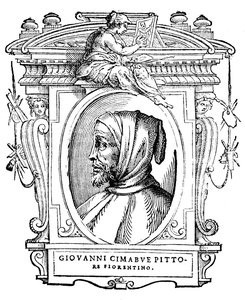
Cimabue
1240 - 1302 , Włochy
Krótka nota
- Artistic Movement Or Style: Bizantyński i Renesansowy
- Artists Or Movements Influenced By This Artist:
- Giotto
- Duccio
- Artists Who Influenced This Artist:
- Giunta Pisano
- Coppo di Marcovaldo
- Date Of Birth: c. 1240
- Date Of Death: 1302
- Full Name: Giovanni Cimabue
- Nationality: Włoski
- Notable Artworks:
- Maestà
- Ukrzyżowanie
- Ostatnia Wieczerza
- Place Of Birth: Florencja, Italia
Powiązane artykuły

Masterpieces of Siena: Top 25 Artworks by Duccio di Buoninsegna
Journey through the Sienese School with our curated guide to the top 25 artworks by Duccio di Buoninsegna. Explore the divine beauty of Byzantine-inspired masterpieces and find museum-quality art reproductions for your decor. Discover all masterpieces on AllPaintingsStore.com.

25 Masterpieces by Giotto di Bondone: The Father of Renaissance Art
Journey through the revolutionary world of Giotto di Bondone. Explore 25 iconic masterpieces that bridged the Medieval and Renaissance eras with profound emotion and realism. Find museum-quality art reproductions and decor inspiration. Discover all masterpieces on AllPaintingsStore.com.

Who was Cimabue? The Italian painter who bridged the Byzantine and Renaissance eras
Learn about Cimabue's transition from Byzantine styles to naturalism and see a list of his most significant works and their current museum locations.

Master of Emotion: The 25 Greatest Artworks by Rogier van der Weyden
Immerse yourself in the profound emotion of Rogier van der Weyden’s greatest works. Explore 25 iconic Northern Renaissance masterpieces, from intricate textures to divine pathos. Find museum-quality art reproductions and decor inspiration. Discover all masterpieces on AllPaintingsStore.com.

Masterpieces of Giotto: The Top 25 Essential Artworks of the Renaissance Pioneer
Explore Giotto's greatest masterpieces and his role in the Renaissance. Discover the full collection online at AllPaintingsStore.com.


