


 Zobacz w skali 1:1
 Wyślij
 Udostępnij
 Szczegóły
 Przewodnik

 Pobierz plik obrazu
 Podobne obiekty
 RTG
RTG Pokaz slajdów
 Statystyki
Satyrzy
 Akryl na płótnie
- Sztuka ścienna
- Neoclassical Style
 1700
1700 41.0 x 52.0 cm
 Fundacja Calouste Gulbenkiana w Lizbonie
 Czytaj więcej
Giclée / Wydruk artystyczny
Wydruki giclée lub płótna o jakości muzealnej, szybka realizacja i szeroki wybór opcji wykończenia. ( Kup ręcznie malowany obraz Przełącz na wersję cyfrową)




P118B zł10

P118H zł10

P118W zł10

P438Z zł10

P508JH zł12

P508YH zł12

P805H zł10

P805Z zł10

P919BZ zł10

P919G zł10

P919XJ zł10

P959ZH zł10

P968JZ zł12

W106C zł8

W218G zł10

W218JH zł8

W218Y zł10

W307PJ zł10

W316G zł10

W316PJ zł8

W316Y zł10

W398PJ zł8

W4111J zł10

W500HY zł15

W500JH zł15

W692G zł12

W849H zł8

W940BG zł15

W953PJ zł8




Wybierz spośród naszych standardowych rozmiarów, które zachowują oryginalne proporcje dzieła sztuki.

Wpisz wymaganą szerokość i wysokość, aby dopasować grafikę do ramy lub ściany. Wydruk można jedynie przyciąć, nigdy nie powiększając go poza oryginalny obraz, dlatego format o innym proporcji spowoduje utratę części kompozycji. Przed rozpoczęciem druku prześlemy Ci cyfrowy podgląd do zatwierdzenia. Obraz wyświetlany na tej stronie nie pokazuje rzeczywistego przycięcia — jedynie podgląd oddaje ten efekt.
Dostawa na cały świat () w ciągu 2 tygodni zamiast standardowych 4/5 tygodni. (25 Październik)

Bezpłatna ekspresowa wysyłka na cały świat

Wysokiej jakości płótno lniane

Pełne ubezpieczenie transportowe

Gwarancja zwrotu należności celnych i podatków importowych

Gwarancja idealnego odwzorowania barw

100-dniowy okres na zwrot dzieła w przypadku wykrycia wad produkcyjnych

Gwarancja 100% zwrotu pieniędzy

Oferta przy zakupie wielu sztuk
 Opcja ze szkłem jest dostępna wyłącznie w rozmiarach poniżej 110 cm

Satyrzy
Giclée / Wydruk artystyczny
Rozmiar reprodukcji
-


Suma do zapłaty
zł 245
Claude Michel Clodion – Satyrs: A Dance Between Myth and Tranquility
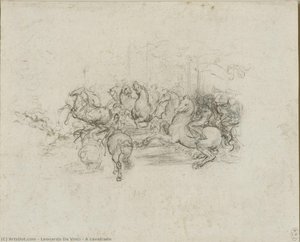
The painting “Satyrs” by Claude Michel Clodion, executed in 1700, presents a captivating glimpse into the Rococo artistic movement—a style characterized by elegance, playful asymmetry, and an emphasis on sensual beauty. Currently housed at the Calouste Gulbenkian Museum in Lisbon, Portugal, this artwork transcends mere representation; it embodies a profound exploration of mythological themes interwoven with humanist emotion.- Subject Matter: The composition depicts two satyrs—male deities from Greek mythology known for their wildness and association with Dionysus—engaged in an intimate embrace. Their postures convey warmth, affection, and a harmonious connection reflecting the ideals of aristocratic pleasure prevalent during Clodion’s era.
- Style & Technique: Clodion's masterful chalk technique contributes significantly to the painting's ethereal quality. The delicate pastel hues capture subtle gradations of light and shadow, creating an atmosphere of serene contemplation. Unlike monumental sculptures, this piece exemplifies the Rococo penchant for refined detail within a smaller format, prioritizing expressive nuance over grand scale.
- Historical Context: Created in the early 18th century, “Satyrs” aligns perfectly with the broader artistic landscape of Louis XIV’s reign—a period marked by opulent court life and an obsession with idealized beauty. The painting reflects the fascination with classical mythology as a source of inspiration for artistic expression, mirroring similar endeavors undertaken by artists across Europe.
- Symbolism: The satyrs themselves symbolize primal instincts tempered by grace – a duality that speaks to the complexities of human experience. Their embrace symbolizes unity and harmony, representing aspirations for emotional fulfillment and spiritual balance—themes central to Rococo philosophy.
Exploring Clodion’s Artistic Legacy: Beyond “Satyrs”
Benjamin West's biography illuminates the artistic spirit of his time, highlighting the importance of self-taught dedication and keen observation in achieving mastery. His work similarly demonstrates a sensitivity to natural forms and an ability to convey emotion with remarkable subtlety—traits that distinguish him from many contemporaries who favored formal training. Clodion’s influence extended far beyond this singular painting; he became celebrated for his sculptures, particularly “Zephyrus and Flora,” which captures the essence of Rococo elegance and dynamism.- Further Research: Interested in delving deeper into Clodion's oeuvre? Explore Artnet (
A Reproduction That Captures the Essence of Rococo Beauty
AllPaintingsStore offers a meticulously crafted reproduction of “Satyrs,” allowing you to experience the captivating charm of Clodion’s masterpiece in your own home. Printed on premium archival paper with vibrant colors and exceptional clarity, this artwork embodies the spirit of artistic refinement—a testament to Clodion's enduring legacy and a beautiful addition to any interior design scheme.Pytania i odpowiedzi
Czy "Satyrzy" wykazuje silne kontrasty światłocienia?
Kontrast jasności w dziele "Satyrzy" wynosi Delikatny. Kontrast określa stopień zróżnicowania między obszarami jasnymi a ciemnymi.
Kto jest autorem dzieła "Satyrzy" i do jakiego nurtu ono należy?
Twórcą dzieła "Satyrzy" jest Claude Michel, reprezentujący nurt Neoclassical Style.
Skąd pochodzą odwiedzający „Satyrzy” autorstwa Claude Michel?
Statystyki dotyczące „Satyrzy” autorstwa Claude Michel znajdują się na stronie Statystyki dzieła: obejmują one miesięczną liczbę odwiedzin danego dzieła, wizyty przy pracach artysty oraz podział ostatnich odwiedzających według krajów i języków.
Podobne dzieła


Biografia artysty
The Master of Clay: The Life and Art of Clodion
Born in Nancy, France, the sculptor known to history as Clodion—or Claude Michel—emerged as one of the most captivating figures of the late eighteenth century. His journey into the heart of the French art world began in 1755 when he arrived in Paris, entering the prestigious workshop of his maternal uncle, Lambert-Sigisbert Adam. This early immersion in a lineage of skilled sculptors provided him with a foundation of technical excellence that would later allow him to transcend the boundaries of traditional medium. While many of his contemporaries sought permanence in marble or bronze, Clodion found his true voice in the tactile, intimate world of terracotta.
His development was profoundly shaped by his travels and his encounters with the classical past. After winning the prestigious Prix de Rome, he moved to Italy, where he shared a studio with the renowned Jean-Antoine Houdon. It was during this period that Clodion deeply studied the nuances of antique, Renaissance, and Baroque sculpture. This exposure to the grace of antiquity infused his work with a sense of timelessness, even as he remained firmly rooted in the playful, light-hearted spirit of the Rococo style. He possessed an extraordinary gift for capturing fleeting emotions and dynamic movement within the soft, malleable confines of clay, creating works that felt alive even before they were fully realized.
Mythology and the Spirit of Rococo
Clodion’s oeuvre is a testament to his ability to blend classical mythology with a palpable sense of human vitality. His sculptures often feature mythological figures—satyrs, nymphs, and bacchantes—engaged in scenes of Dionysian ecstasy or tender interaction. In works such as Satyr and Bacchante, one can observe the masterful interplay between earthly passion and idealized beauty. He had a unique talent for modeling musculature with anatomical precision while maintaining an ethereal grace that prevented his figures from feeling heavy or static.
The themes of his work often reflected the era's fascination with the pastoral and the mythological, blending several artistic sensibilities:
- Rococo Elegance: A focus on light-heartedness, charm, and fluid movement.
- Neoclassical Influence: An aspiration for idealized beauty and a deep reverence for Greek and Roman narratives.
- Romantic Sensibilities: An exploration of emotion, instinct, and the primal energy found in nature.
Whether depicting the mischievous deities of Greek mythology or the serene intimacy of a pastoral scene, Clodion’s work captures a moment where primal instinct blends seamlessly with contemplative grace. His mastery of the terracotta medium allowed him to emphasize the tactile qualities of his subjects, creating a sense of warmth and life that remains as captivating today as it was during the height of the ancien régime.

Claude Michel
1738 - 1814 , France
Najważniejsze informacje
- Artistic Movement Or Style: Rococo and Neoclassical
- Artists Or Movements Influenced By This Artist: ['Joseph Charles Marin']
- Artists Who Influenced This Artist: ['Lambert-Sigisbert Adam']
- Full Name: Claude Michel
- Notable Artworks:
- Satyr and Bacchante
- Satyrs
- Nymph and Faun
- The Intoxication of Wine
- Place Of Birth: Nancy, France
- Date Of Birth: 1738
- Date Of Death: 1814
Zobacz także powiązane artykuły

Trwałe Formy: Ewolucja Technik i Tematów w Rzeźbie Przez Wieki – Od Antyku do Renesansu
Poznaj fascynującą historię rzeźby od antyku do renesansu! Odkryj techniki, wybitnych artystów i wpływ na współczesną sztukę. Ekspercka analiza dla kolekcjonerów i miłośników.

Trwała Forma: Rzeźba w Historii – Technika i Rezonans Emocjonalny
Poznaj historię rzeźby od antyku do współczesności! Ekspercka analiza technik, stylów i emocjonalnego wpływu arcydzieł. Inspiracje dla kolekcjonerów i miłośników sztuki.

10 Legendarnych Brązów, Które Zrewolucjonizowały Sztukę | AllPaintingsStore
Odkryj 10 legendarnych rzeźb brązowych, które zrewolucjonizowały sztukę! Poznaj historie Rodina, Donatello i innych mistrzów. Inspiracje wnętrzarskie & reprodukcje najwyższej jakości na AllPaintingsStore.com.
Claude Monet: 25 Najlepszych Arcydzieł Impresjonizmu | Reprodukcje Obrazów Online
Odkryj 25 najpiękniejszych arcydzieł Claude Moneta – impresjonistycznych pejzaży, nymfeii i słonecznych krajobrazów. Poznaj historię sztuki i zainspiruj się do dekoracji wnętrz z AllPaintingsStore.com! Eksploruj pełną kolekcję online.

10 Legendarnych Brązów Rzeźbiarskich, Które Zmieniły Sztukę | AllPaintingsStore
Odkryj 10 legendarnych rzeźb brązowych od Rodina, Degasa i innych mistrzów! Poznaj historię powstania arcydzieł sztuki i inspiruj się do dekoracji wnętrz. Reprodukcje najwyższej jakości na AllPaintingsStore.com – zobacz kolekcję!


