

1880. Obraz olejny na płótnie.

§ 1Catalogue data


§ 2Abstract
Opis obiektu
Discover "Floating Ice at Bennecourt" by Claude Monet – a serene Impressionist landscape capturing light & reflection. Explore this iconic work's beauty and technique.
 Rozwiń treść
Biografia artysty
Odkryj świat Claude'a Moneta, mistrza impresjonizmu, słynnego z uchwycenia ulotnego światła i koloru w ikonicznych pejzażach, takich jak Lilie wodne i Stogi siana.
§ 3Commentary
Claude Monet: A Life in Light and Color
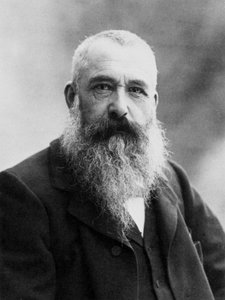
Claude Monet (1840–1926) was a French painter and founder of Impressionism painting who is seen as a key precursor to modernism, especially in his attempts to paint nature as he perceived it. During his long career, he was the most consistent and prolific practitioner of Impressionism's philosophy of expressing one’s perceptions of nature, especially as applied to plein air (outdoor) landscape painting. The term “Impressionism” is derived from the title of his painting Impression, Sunrise (Impression, soleil levant), which was exhibited in 1874 at the First Impressionist Exhibition, initiated by Monet and a number of like-minded artists as an alternative to the Salon. Monet was born Oscar-Claude Monet on November 14, 1840, in Paris, France. He was the second son of Claude Adolphe Monet (1800–1871) and Louise Justine Aubrée Monet (1805–1857), both of them second-generation Parisians. On 20 May 1841, he was baptised in the local Paris church, Notre-Dame-de-Lorette, as Oscar-Claude, but his parents called him simply Oscar. Although baptised Catholic, Monet later became an atheist. He was raised in Le Havre, Normandy, and became interested in the outdoors and drawing from an early age. Although his mother, Louise-Justine Aubrée Monet, supported his ambitions to be a painter, his father, Claude-Adolphe, disapproved and wanted him to go into the family's ship-chandling and grocery business, but Monet wanted to become an artist. His mother was a singer, and supported Monet’s desire for a career in art. A key early influence was Eugène Boudin, who introduced him to the concept of plein air painting – capturing scenes directly from nature. Also created caricatures for local businesses, demonstrating entrepreneurial spirit. He went on to study at the Académie Suisse, and under Charles Gleyre, where he met artists like Auguste Renoir. His early works included landscapes, seascapes, and portraits, but attracted little attention. ## The Floating Ice: An Analysis Claude Monet was a renowned French painter and one of the leaders of the Impressionist movement. His painting, The Floating Ice, is a beautiful example of his unique style and technique. Created in 1880, this oil on canvas painting showcases Monet’s mastery of capturing the fleeting effects of light and color in nature. The Floating Ice is a captivating depiction of a frozen river landscape, with ice floes drifting gently in the current. Monet’s use of cool blues and whites to render the icy surface creates a sense of tranquility and stillness, while his loose brushstrokes evoke the subtle movement of the water beneath the ice. The artist's masterful handling of light is evident in the way he captures the soft glow of the winter sun on the snow-covered banks and the delicate reflections on the icy surface. ## Background on Claude Monet Claude Monet was born in Paris in 1840 and is celebrated for his captivating landscapes and still-life paintings. His innovative approach to painting, which emphasized capturing immediate perceptions and the essence of nature, revolutionized artistic approaches. Monet's philosophy, primarily based on outdoor (plein air) landscape art, significantly influenced modernism. ## Acquiring a Handmade Oil Reproduction If you are interested in acquiring a handmade oil reproduction of The Floating Ice, visit AllPaintingsStore.com. Our skilled artists meticulously recreate each detail, ensuring that every brushstroke captures the essence of the original work. You can also explore other works by Claude Monet and learn more about his style and technique at AllPaintingsStore.com.- Discover the beauty of Impressionism and the works of Claude Monet at The Art of Painting Styles at AllPaintingsStore.com
- Learn more about the Musée Marmottan Monet in Paris, France, and its collection of Monet's works
Pytania i odpowiedzi
Czy dzieło "The Floating Ice" posiada podgląd w rozszerzonej rzeczywistości?
Dzieło „The Floating Ice” – Claude Monet możesz zobaczyć na własnej ścianie dzięki stronie Podgląd w AR, wykorzystując rozszerzoną rzeczywistość na kompatybilnym urządzeniu.
Jaka technika została użyta w przypadku "The Floating Ice" i kiedy powstało to dzieło?
"The Floating Ice" powstało w 1880 roku przy użyciu techniki Obraz olejny na płótnie. Materiał i data opisują, w jaki sposób oraz kiedy wykonano oryginał.
Gdzie mogę znaleźć przewodnik do "The Floating Ice"?
Strona Karta informacyjna dla uczniów dzieła „The Floating Ice” – Claude Monet oferuje dwustronicową kartę informacyjną w formacie do druku: samo dzieło wraz z tabelą identyfikacyjną, oś czasu umieszczającą je w latach życia artysty, inne prace tego twórcy, zmierzoną paletę kolorystyczną oraz gotowe do skopiowania cytaty w czterech stylach.


 Przełącz na wydania drukowane


 W przypadku dzieł sztuki lub reprodukcji, których którykolwiek z boków przekracza 105 cm (około 41 cali), rama zostanie wysłana w formie zestawu do samodzielnego montażu. Metoda ta zapewnia bezpieczną dostawę i zapobiega uszkodzeniom podczas transportu.


