

Acrylic On Canvas.

§ 1Dane katalogowe

§ 2Abstrakcja
Opis obiektu
 Rozwiń treść
Biografia artysty
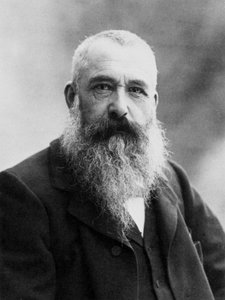
Odkryj świat Claude'a Moneta, mistrza impresjonizmu, słynnego z uchwycenia ulotnego światła i koloru w ikonicznych pejzażach, takich jak Lilie wodne i Stogi siana.
§ 3Komentarz
A Moment Frozen in Light: Exploring Claude Monet’s “The Magpie”
Claude Monet's "The Magpie," painted during the winter of 1868-1869 amidst the snow-covered landscapes of Normandy, stands as a cornerstone of Impressionism—a movement that revolutionized painting by prioritizing fleeting impressions over meticulous realism. More than just a depiction of a bird perched upon a fence, this artwork embodies Monet’s groundbreaking approach to capturing the essence of nature through color and light, cementing its place in art history.
- Subject Matter: The scene portrays a solitary black magpie resting on a gate constructed from wattle fencing against a backdrop of freshly fallen snow. This seemingly simple composition belies the profound artistic intent behind it.
- Style & Technique: Monet’s masterful brushstrokes—loose, visible, and blended—are characteristic of Impressionism. He eschewed traditional blending methods, opting instead for juxtaposed colors to convey the shimmering effect of sunlight filtering through snow crystals. This technique is brilliantly demonstrated in the vibrant blue shadows cast by the sun, a revolutionary departure from academic conventions.
- Historical Context: Painted during a period marked by significant scientific advancements concerning color perception—particularly the theories championed by Goethe and Chevreul—Monet’s work reflects this intellectual ferment. Artists were actively experimenting with how light interacts with pigment, challenging established artistic dogma.
The Influence of Goethe & Chevreul
Johann Wolfgang von Goethe's philosophical explorations into color theory profoundly impacted Monet and his contemporaries. Goethe argued that colors don’t exist independently but rather influence each other, creating a unified visual experience. Michel Eugène Chevreul corroborated this notion with scientific experiments demonstrating how complementary colors heighten perception.
Monet embraced these ideas, recognizing the importance of portraying not just what the eye sees but also what it *feels*. He meticulously studied the interplay between color and light to achieve an unprecedented level of expressive accuracy—a feat that would inspire generations of artists.
A Window into Monet’s Vision
"The Magpie" isn't merely a beautiful landscape; it’s a testament to Monet’s artistic philosophy. It exemplifies his unwavering dedication to capturing the transient beauty of the natural world, prioritizing emotion and sensation over precise representation. The painting invites viewers to contemplate the subtle nuances of light and color—to experience the magic of winter snow as Monet himself did.
Where to Admire “The Magpie”
A masterpiece housed in Musée d’Orsay, Paris, "The Magpie" offers a captivating glimpse into Impressionism's artistic spirit. Visitors can immerse themselves in the grandeur of Napoleonic art alongside Monet’s iconic landscapes—a truly enriching cultural encounter.
Pytania i odpowiedzi
Gdzie mogę znaleźć przewodnik do "untitled (463)"?
Dla dzieła „untitled (463)” – Claude Monet dostępna jest strona Karta informacyjna dla uczniów: nadająca się do druku karta informacyjna o utworze, przygotowana z myślą o uczniach i wykorzystaniu w klasie.
Kto stworzył "untitled (463)" i w jakim stylu jest to dzieło?
"untitled (463)" powstało autorstwa Claude Monet w stylu Impressionist Landscape. Artysta oraz nurt definiują tradycję tego dzieła.
W jakiej technice wykonano „untitled (463)” – Claude Monet?
Claude Monet wykorzystał/a technikę Acrylic On Canvas w pracy „untitled (463)”. Technika ta definiuje materię oryginalnego dzieła.


 Przełącz na wydania drukowane


 W przypadku dzieł sztuki lub reprodukcji, których którykolwiek z boków przekracza 105 cm (około 41 cali), rama zostanie wysłana w formie zestawu do samodzielnego montażu. Metoda ta zapewnia bezpieczną dostawę i zapobiega uszkodzeniom podczas transportu.


