


 Podgląd w skali 1:1
 Wyślij jako kartkę
 Udostępnij
 Szczegóły dzieła
 Przewodnik

 Pobierz obraz
 Podobne obiekty
 RTG
RTG Pokaz slajdów
 Q&A
Q&A Statystyki
James Duff Corsindae


 Rozwiń treść
Giclée / Wydruk artystyczny
Wydruki giclée lub płótna o jakości muzealnej, szybka realizacja i szeroki wybór opcji wykończenia. ( Zamów ręcznie malowaną reprodukcję Przejdź do wersji cyfrowej)




P118B zł10

P118H zł10

P118W zł10

P438Z zł10

P508JH zł12

P508YH zł12

P805H zł10

P805Z zł10

P919BZ zł10

P919G zł10

P919XJ zł10

P959ZH zł10

P968JZ zł12

W106C zł8

W218G zł10

W218JH zł8

W218Y zł10

W307PJ zł10

W316G zł10

W316PJ zł8

W316Y zł10

W398PJ zł8

W4111J zł10

W500HY zł15

W500JH zł15

W692G zł12

W849H zł8

W940BG zł15

W953PJ zł8




Wybierz spośród naszych standardowych rozmiarów, które zachowują oryginalne proporcje dzieła sztuki.

Wpisz wymaganą szerokość i wysokość, aby dopasować grafikę do ramy lub ściany. Wydruk można jedynie przyciąć, nigdy nie powiększając go poza oryginalny obraz, dlatego format o innych proporcjach spowoduje utratę części kompozycji. Przed rozpoczęciem druku prześlemy Ci cyfrowy podgląd do zatwierdzenia. Obraz wyświetlany na tej stronie nie pokazuje rzeczywistego przycięcia — jedynie podgląd oddaje ten efekt.
Dostawa na cały świat () w ciągu 2 tygodni zamiast standardowych 4/5 tygodni. (31 Październik)

Bezpłatna ekspresowa wysyłka na cały świat

Wysokiej jakości płótno lniane

Pełne ubezpieczenie przesyłki

Gwarancja zwrotu należności celnych i podatków importowych

Gwarancja wiernego odwzorowania kolorów

100-dniowa polityka zwrotów (tylko w przypadku wad)

Gwarancja 100% zwrotu pieniędzy

Zniżka przy zakupie wielu sztuk
 Opcja ze szkłem jest dostępna wyłącznie w rozmiarach poniżej 110 cm

James Duff Corsindae
Giclée / Wydruk artystyczny
Wymiary reprodukcji
-


Cena całkowita
zł 249
James Duff of Corsindae – A Portrait Steeped in Scottish Tradition
Cosmo Alexander’s “James Duff of Corsindae,” painted in 1760, offers a glimpse into the aristocratic landscape of Georgian Scotland. This portrait transcends mere representation; it embodies the spirit of its time and speaks to enduring themes of dignity, contemplation, and familial heritage. The painting resides within the Scottish National Gallery in Edinburgh, ensuring its accessibility for scholars and admirers alike.Subject Matter and Composition
The central figure is James Duff, a gentleman distinguished by his stately posture and gaze directly at the viewer – a technique characteristic of portraiture during Alexander’s era. He wears a dark blue coat adorned with white buttons, reflecting the formal attire favored by Scottish nobility. The subtle inclusion of gray hair hints at experience and wisdom, conveying an impression of quiet confidence. Alexander skillfully captures Duff's presence within a restrained interior setting, emphasizing his individuality against a backdrop of understated elegance.Style and Technique – Anatomical Precision Meets Romantic Sentiment
Alexander’s artistic approach aligns with the burgeoning influence of anatomical studies championed by George Stubbs—a figure whose meticulous observation of animal forms profoundly impacted British art. Like Stubbs, Alexander prioritized accuracy in depicting musculature and skeletal structure, demonstrating a commitment to scientific realism. However, this precision is tempered by Romantic sensibilities evident in the painting’s emotive quality. The soft lighting enhances Duff's countenance, fostering an atmosphere of serenity and introspection—a deliberate choice that elevates the portrait beyond a simple likeness.Historical Context – Jacobite Legacy and Artistic Patronage
Painted shortly after the decisive defeat of Bonnie Prince Charlie at Culloden Moor in 1746, “James Duff of Corsindae” reflects the anxieties surrounding the Jacobite cause and its aftermath. Cosmo Alexander’s patronage stemmed from sympathies for James Edward Stuart's claim to the throne—a sentiment prevalent amongst Scottish elites who clung to memories of pre-Hanoverian rule. The painting serves as a testament to the artistic tastes of the period, showcasing the desire for dignified depictions that celebrated lineage and social status.Symbolism – Dignity and Reflection
The posture of James Duff embodies aristocratic ideals—a deliberate positioning designed to convey respectability and composure. His gaze toward the viewer invites contemplation, suggesting an inner life rich in thought and experience. The muted color palette contributes to the painting’s solemn mood, reinforcing its symbolic resonance as a portrait celebrating noble character and enduring tradition.Emotional Impact – A Window into Georgian Scotland
“James Duff of Corsindae” succeeds in transporting viewers back to Georgian Scotland, capturing not only the visual appearance of its subjects but also the psychological nuances of their time. The painting’s quiet grandeur evokes feelings of admiration for aristocratic heritage and invites contemplation on themes of dignity and introspection—a timeless appeal that continues to resonate with audiences today.Pytania i odpowiedzi
Jaki nastrój wprowadzi James Duff Corsindae do wnętrza?
„James Duff Corsindae” – Cosmo Alexander ma Romantyczny atmosferę i jest polecane do Salon lub strefa dzienna. Nastrój to to, co dzieło wnosi do otaczającej je przestrzeni.
Jaki kolor dominuje w kompozycji „James Duff Corsindae” – Cosmo Alexander?
Dominującym kolorem dzieła „James Duff Corsindae” – Cosmo Alexander jest Beż szary (#ecc3a3).
Jaka technika i styl charakteryzują „James Duff Corsindae” – Cosmo Alexander?
"James Duff Corsindae" powstało przy użyciu Akryl na płótnie, w stylu Baroque realism.
Podobne dzieła


Biografia artysty
A Legacy of Portraiture and Pedagogy
The story of Cosmo Alexander is one of wandering brilliance and the profound influence of a master upon his pupil. Born in Scotland to the noted portrait painter John Alexander, Cosmo was destined for a life steeped in the traditions of fine art. Before his journey took him across the Atlantic, he refined his eye through extensive travels across Europe, documenting his presence in Italy between 1745 and 1751, including time in Rome. His artistic development continued in Holland, where he achieved professional recognition by joining the painters' guild at The Hague. These formative years in the great art centers of Europe provided him with a sophisticated foundation in classical techniques that would later define his work in the American colonies.
Though Alexander often referred to himself as a history painter, his enduring legacy resides in his mastery of the portrait. His style, which aligns closely with the Classical Realism later championed by John Singleton Copley, captured the essence of the Scottish community and the colonial elite with remarkable precision. As he moved through the American landscape between 1766 and 1772, his brush followed a path of significant historical importance. From the bustling streets of Philadelphia to the coastal elegance of Newport, Rhode Island, and even as far south as Charleston, South Carolina, Alexander sought to capture the likenesses of a burgeoning nation through a lens of European refinement.
The Teacher of a Master
Perhaps the most significant chapter in Alexander’s life was his role as a mentor. In Newport, Rhode Island, he encountered a young Gilbert Stuart, a meeting that would alter the course of American art history forever. Recognizing the potential in the fourteen-year-old, Alexander took Stuart on as an apprentice. This relationship was more than a mere professional arrangement; it was a passing of the torch from the Old World traditions to the New. The two traveled together through the colonies, eventually returning to Edinburgh in 1771, where the bond between master and student remained unbroken until Alexander’s sudden death.
Alexander's life was marked by both artistic triumph and personal hardship. Driven by financial debts that had forced him to leave London, he arrived in America with the hope of rebuilding his fortune through his craft. While his travels were frequent—visiting New York City, Boston, and Williamsburg—his ability to secure patrons remained a testament to his skill. In Burlington, New Jersey, he even resided within the governor's mansion, utilizing such high-profile connections to find sitters for his portraits. Though his life was cut short in Edinburgh, the impact of his work remains visible in the collections of prestigious institutions today.
- Key Artistic Contributions: Known for over twenty-five identified American portraits that showcase his skill in portraiture and historical genre painting.
- Notable Mentorship: Served as the primary teacher and mentor to the legendary American artist Gilbert Stuart.
- Geographic Reach: His career spanned Scotland, Italy, Holland, England, and various American colonies including New York, Pennsylvania, and Rhode Island.

Cosmo Alexander
1724 - 1772
Powiązane artykuły
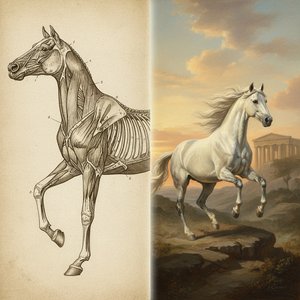
George Stubbs: Anatomical Precision & Romantic Vision in 18th-Century British Art
Explore the captivating world of George Stubbs, the 18th-century master renowned for his anatomical precision & Romantic animal paintings. Discover his legacy and investment potential.

Romantic Realism's Finest: 10 Masterpieces for Your Home | AllPaintingsStore
Explore 10 defining masterpieces of Romantic Realism! Discover Courbet, Millet & Daumier's powerful paintings—capturing emotion and social realities. Find museum-quality reproductions for your home at AllPaintingsStore.com.

Konie jako Muzy w Sztuce: Historyczna i Artystyczna Eksploracja Końskiego Wizerunku
Odkryj fascynującą historię koni w sztuce! Eksploracja końskiego wizerunku od mitologii po współczesność. Analiza symboliki, gatunków i wpływowych dzieł malarskich. Poznaj bogactwo artystycznej interpretacji konia.

Alexander Nasmyth: Picturing Scotland's Romantic Landscape – Innovation & Identity
Explore the life & art of Alexander Nasmyth, a pivotal figure in Scottish Romantic landscape painting. Discover his iconic works, including portraits of Robert Burns, and learn about his lasting influence on national identity. Fine art reproductions available.

The Noble Steed on Canvas: A Historical & Artistic Exploration of Horse Painting Across Cultures
Explore the rich history of horse painting! Discover masterpieces from Stubbs to Munnings & learn about symbolism, techniques & artists. Find museum-quality reproductions at AllPaintingsStore.


