


 Zobacz w skali 1:1
 Wyślij
 Udostępnij
 Szczegóły
 Przewodnik

 Pobierz plik obrazu
 Podobne obiekty
 RTG
RTG Pokaz slajdów
 Statystyki
Self-Portrait
 Oil
Oil- WallArt
- Baroque
 1625
1625- Early Modern
 164.0 x 122.0 cm
 Rijksmuseum
 Czytaj więcej
Ręcznie malowana reprodukcja olejowa
Ręcznie malowany obraz olejny na płótnie, wykonany na zamówienie przez naszych artystów w wybranym przez Ciebie wymiarze i oprawie. ( Przełącz na wersję drukowaną Przełącz na wersję cyfrową)




P118B zł10

P118H zł10

P118W zł10

P438Z zł10

P508JH zł12

P508YH zł12

P805H zł10

P805Z zł10

P919BZ zł10

P919G zł10

P919XJ zł10

P959ZH zł10

P968JZ zł12

W106C zł8

W218G zł10

W218JH zł8

W218Y zł10

W307PJ zł10

W316G zł10

W316PJ zł8

W316Y zł10

W398PJ zł8

W4111J zł10

W500HY zł15

W500JH zł15

W692G zł12

W849H zł8

W940BG zł15

W953PJ zł8




Wybierz spośród naszych standardowych rozmiarów, które zachowują oryginalne proporcje dzieła sztuki.

Wpisz wymaganą szerokość i wysokość, aby obraz pasował do Twojej ramy lub ściany. Ponieważ jest to dzieło malowane ręcznie, w przypadku rozmiaru o innym proporcji artysta może domalować nieco więcej wokół obrazu lub przyciąć fragmenty — wybór należy do Ciebie. Przed rozpoczęciem pracy prześlemy Ci cyfrową wizualizację do zatwierdzenia. Obraz widoczny na tej stronie nie przedstawia rzeczywistego efektu — jedynie wizualizacja oddaje realny rezultat.
Po złożeniu zamówienia zespół AllPaintingsStore.com skontaktuje się z klientem drogą mailową w celu uzyskania instrukcji i prześle wizualizację projektu
Dostawa na całym świecie () w ciągu 3–4 tygodni zamiast standardowych 5 tygodni. (22 Październik). Bez kompromisów w kwestii jakości.

Bezpłatna ekspresowa wysyłka na cały świat

Wysokiej jakości płótno lniane

Pełne ubezpieczenie transportowe

Gwarancja zwrotu należności celnych i podatków importowych

Gwarancja idealnego odwzorowania barw

100-dniowy okres na zwrot dzieła w przypadku wykrycia wad produkcyjnych

Gwarancja 100% zwrotu pieniędzy

Oferta przy zakupie wielu sztuk
 Opcja ze szkłem jest dostępna wyłącznie w rozmiarach poniżej 110 cm

Self-Portrait
Technika wykonania
Rozmiar reprodukcji
-


Suma do zapłaty
zł 980
A Gaze Through Time: The Introspective Mastery of David Bailly
In the quiet, shadowed depths of the Dutch Golden Age, few works capture the profound weight of human existence as poignantly as David Bailly’s Self-Portrait. Painted in 1625, this masterpiece serves as more than a mere likeness; it is a window into the soul of a man navigating the complexities of his own mortality and legacy. As the viewer approaches this canvas, they are met with an arresting, direct gaze that seems to bridge the centuries, pulling us into a silent dialogue with the artist himself. The composition is masterfully balanced, centering a middle-aged Bailly against a dark, indeterminate void that pushes his features forward, demanding our undivided attention.
The technique employed by Bailly is a testament to the rigorous training of the Leiden school. Through a sophisticated use of chiaroscuro, he orchestrates a dramatic interplay between light and shadow. A soft, directional light source from the upper left illuminates the contours of his face, highlighting the weathered texture of his skin and the thoughtful furrow of his brow. Every detail—from the crisp, white folds of his period collar to the meticulously rendered strands of his beard—is executed with a breathtaking realism that speaks to the artist's profound command over oil paint. This tactile quality does not merely replicate reality; it breathes life into the canvas, making the subject feel palpably present.
Symbolism and the Vanitas Tradition
Beyond its technical brilliance, the painting is steeped in the rich symbolic language of the 17th-century vanitas tradition. During this era, Dutch artists frequently used portraiture to meditate on the fleeting nature of life, the inevitability of death, and the vanity of earthly pursuits. In Bailly’s self-portrait, the somber palette of earth tones and the stark contrast of light against darkness evoke a sense of contemplative melancholy. The artist uses his own likeness as a vessel for these larger philosophical inquiries, inviting collectors and observers to reflect on the passage of time.
For the discerning art lover or interior designer, this piece offers a profound emotional resonance that transcends simple decoration. It is an artwork of substance, providing a focal point of intellectual and aesthetic depth. Whether placed in a curated gallery setting or as a commanding centerpiece in a sophisticated study, the Self-Portrait brings with it an atmosphere of timeless wisdom and quiet dignity. To possess a reproduction of this work is to invite a piece of history into one's space—a piece that celebrates the enduring power of human introspection and the exquisite artistry of the Dutch masters.
Pytania i odpowiedzi
Jak intensywne są kolory w „Self-Portrait” autorstwa David Bailly?
„Self-Portrait” autorstwa David Bailly charakteryzuje się Balanced intensywnością kolorów.
Do którego etapu rozwoju David Bailly należy dzieło „Self-Portrait”?
"Self-Portrait" reprezentuje Mature Period twórczości David Bailly.
W jaki sposób mogę kupić wydruk „Self-Portrait” autorstwa David Bailly?
Odbitkę dzieła „Self-Portrait” autorstwa David Bailly można zamówić bezpośrednio na stronie Wydruk artystyczny: szlachetna odbitka na płótnie bawełnianym lub archiwalnym papierze płótnopodobnym.
Podobne dzieła


Biografia artysty
David Bailly: A Life in Dutch Golden Age Art
Early Life and Training (1584-1608)
- Birth and Family: David Bailly was born in Leiden, Netherlands, in 1584. His father, Peter Bailly, was a Flemish immigrant who worked as a calligrapher and fencing master.
- Early Artistic Education: He initially received drawing instruction from his father and the copper engraver Jacques de Gheyn. This foundational training instilled in him a strong draftsmanship.
- Apprenticeships: Bailly further honed his skills through apprenticeships with Adriaan Verburg, a surgeon-painter in Leiden, and Cornelius van der Voort, a portrait painter in Amsterdam. These experiences exposed him to different artistic techniques and subject matter.
The Grand Tour and Early Career (1608-1613)
- Continental Travels: In the winter of 1608, Bailly embarked on a ‘Grand Tour,’ traveling through Frankfurt, Nuremberg, Augsburg, Hamburg, Tyrol, and Venice before reaching Rome. This journey was crucial for his artistic development.
- Italian Influence: He spent five months in Venice working as a journeyman, absorbing the influences of Italian Renaissance and Venetian art. His return voyage included commissions from German princes, including the Duke of Brunswick.
Artistic Development and Style (1613-1657)
- Diverse Subject Matter: Upon returning to the Netherlands in 1613, Bailly began painting a variety of subjects, including still lifes and portraits. He became known for his self-portraits and depictions of students and professors at the University of Leiden.
- Vanitas Paintings: A significant portion of his oeuvre consists of *vanitas* paintings – symbolic works that reflect on the transience of life, often featuring flowers, candles, and other ephemeral objects. These paintings demonstrate a philosophical depth alongside artistic skill.
- Portraiture Style: His portrait style is characterized by realism and attention to detail, capturing the likenesses and personalities of his sitters with sensitivity.
Major Achievements and Guild Membership
- Guild Leadership: In 1648, Bailly was elected headman of the Leiden Guild of St. Luke, a testament to his standing within the artistic community.
- Teaching Legacy: He served as a teacher and mentor to his nephews, Harmen and Pieter Steenwijck, passing on his knowledge and skills to the next generation.
Influences and Historical Significance
- Artistic Influences: Bailly was influenced by the Italian masters he encountered during his Grand Tour, as well as by Dutch predecessors in portraiture and still life painting.
- Impact on Dutch Art: He contributed to the flourishing of art during the Dutch Golden Age, particularly through his insightful *vanitas* paintings that reflected the era’s preoccupation with mortality and spirituality.
- Legacy: While not as widely recognized today as some of his contemporaries, David Bailly remains an important figure in the history of Dutch art, representing a blend of technical skill, intellectual depth, and artistic innovation.

David Bailly
1584 - 1657 , Netherlands
Najważniejsze informacje
- Name: David Bailly
- Movement: Dutch Golden Age painting
- Birth Date: 1584
- Death Date: 1657
- Influenced:
- Harmen Steenwijck
- Pieter Steenwijck
- Birth Place: Leiden, Netherlands
- Nationality: Dutch
- Date Of Birth: 1584
- Date Of Death: 1657
- Influenced By:
- Adriaan Verburg
- Cornelius van der Voort
- Jacques de Gheyn
- Notable Works:
- Self-Portrait with Vanitas Symbols
- Portrait of Anthony de Wale
- Place Of Birth: Leiden, Netherlands
Zobacz także powiązane artykuły
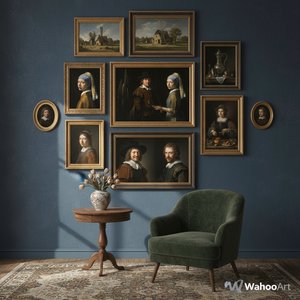
Holenderski Barok: 10 Arcydzieł, Które Zdefiniowały Epokę | AllPaintingsStore
Poznaj 10 arcydzieł holenderskiego baroku! Odkryj historie Rembrandta, Vermeera i innych mistrzów XVII wieku. Reprodukcje obrazów najwyższej jakości – idealne do Twojego wnętrza. AllPaintingsStore.com
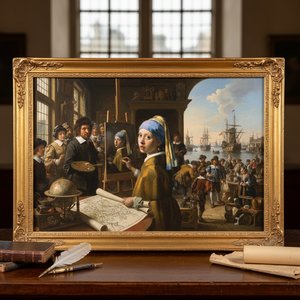
Złoty Wiek Niderlandów: Światło, Realizm i Kulturowe Innowacje w Malarstwie Barokowym
Odkryj fascynujący świat malarstwa holenderskiego Złotego Wieku! Poznaj arcydzieła Rembrandta, Vermeera i innych mistrzów. Analiza technik, gatunków i wpływu na sztukę europejską.

Chiaroscuro and Character: A Definitive Guide to Light and Shadow in the Dutch Baroque Era
Explore the dramatic mastery of the Dutch Baroque era. Discover how masters like Rembrandt used chiaroscuro to transform everyday life into timeless art. An expert guide for collectors and enthusiasts seeking to understand the profound interplay of light and shadow.
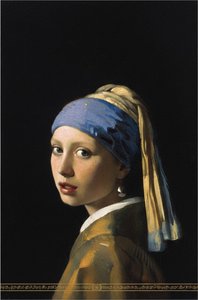
Złoty Wiek Holandii: 10 arcydzieł, które zmieniły historię sztuki | AllPaintingsStore.com
Odkryj 10 arcydzieł Złotego Wieku Holandii! Poznaj historię Rembrandta, Vermeera i innych mistrzów. Reprodukcje obrazów najwyższej jakości do Twojego wnętrza – AllPaintingsStore.com.

Golden Light & Dutch Skies: The Timeless Magic of Dutch Golden Age Landscapes
Discover the breathtaking beauty of Dutch Golden Age landscapes. Explore the mastery of light, chiaroscuro, and 17th-century realism through an expert art history lens, celebrating the enduring legacy of the Dutch Masters for discerning collectors and art lovers.

