


 Zobacz w skali 1:1
 Wyślij
 Udostępnij
 Szczegóły
 Guide
Guide

 Pobierz plik obrazu
 Podobne obiekty
 RTG
RTG Pokaz slajdów
 Statystyki
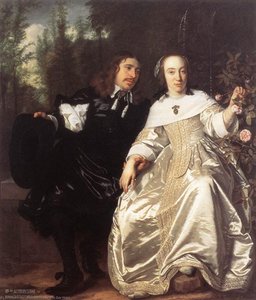
Portrait of a Nobleman with his Son
 73.0 x 96.0 cm
 Liechtenstein Museum
 Czytaj więcej
Ręcznie malowana reprodukcja olejowa
Ręcznie malowany obraz olejny na płótnie, wykonany na zamówienie przez naszych artystów w wybranym przez Ciebie wymiarze i oprawie. ( Przełącz na wersję drukowaną Przełącz na wersję cyfrową)




































Wybierz spośród naszych standardowych rozmiarów, które zachowują oryginalne proporcje dzieła sztuki.

Możesz wprowadzić własne wymiary, aby dopasować obraz do konkretnej ramy lub przestrzeni. Jeśli wybrany rozmiar nie będzie odpowiadał proporcjom oryginału, przytniecie dzieło sztuki lub rozszerzymy je o dodatkowe elementy, ręcznie domalowane przez artystę. Przed rozpoczęciem produkcji wyślemy projekt cyfrowy do Twojej akceptacji.
Należy pamiętać, że podgląd na ekranie nie odzwierciedla rzeczywistego przycinania ani rozszerzania obrazu. Tylko projekt dokładnie pokaże ostateczną kompozycję.
Choć oferujemy możliwość zamówienia niestandardowych rozmiarów, zalecamy wybór wymiaru z gotowej listy, aby zachować oryginalne proporcje dzieła.
Po złożeniu zamówienia zespół AllPaintingsStore.com skontaktuje się z klientem drogą mailową w celu uzyskania instrukcji i prześle wizualizację projektu
Dostawa na całym świecie () w ciągu 3–4 tygodni zamiast standardowych 5 tygodni. (21 Wrzesień). Bez kompromisów w kwestii jakości.

Bezpłatna ekspresowa wysyłka na cały świat

Wysokiej jakości płótno lniane

Pełne ubezpieczenie transportowe

Gwarancja zwrotu należności celnych i podatków importowych

Gwarancja idealnego odwzorowania barw

100-dniowy okres na zwrot dzieła w przypadku wykrycia wad produkcyjnych

Gwarancja 100% zwrotu pieniędzy

Oferta przy zakupie wielu sztuk
 Opcja ze szkłem jest dostępna wyłącznie w rozmiarach poniżej 110 cm

Portrait of a Nobleman with his Son
Technika wykonania
Rozmiar reprodukcji
-


Suma do zapłaty
$ 258
Podobne dzieła



Biografia artysty
The Shadow of a Master: The Life and Legacy of Domenico Robusti
In the golden, sun-drenched era of the Venetian Renaissance, names often echoed through the marble halls of history with a thunderous intensity. Yet, within the orbit of the legendary Jacopo Tintoretto, there existed a more subtle, quiet brilliance. Domenico Robusti, often whispered about in the annals of art history as a figure existing in the soft glow of his father’s monumental shadow, carved out a space for himself that was uniquely his own. Born in Venice around 1560, Domenico grew up amidst the scent of oil paints and the dramatic tension of his father's workshop. While he is frequently linked to the grand, theatrical compositions of the Tintoretto lineage, his true artistry lay in a more intimate, refined approach to the canvas—a departure from the flamboyant energy of his predecessor toward something far more poised and psychologically observant.
The formative years of Domenico Robústi were undoubtedly shaped by the revolutionary techniques flowing through his family home. To study under Tintoretto was to learn the language of chiaroscuro, to understand how light could pierce through darkness to reveal the soul of a subject, and to master the complex geometry of perspective. However, where the elder Robusti sought to overwhelm the viewer with movement and scale, Domenico found beauty in the stillness. His development as an artist was marked by a transition from mere stylistic imitation to a sophisticated mastery of portraiture and decorative elegance. He possessed a rare ability to capture the dignity of the Venetian nobility, translating their social stature into subtle facial expressions and meticulous anatomical precision.
A Mastery of Portraiture and Devotional Grace
Domenico’s body of work serves as a window into the social fabric of 16th-century Venice. His portraits were not merely records of likeness but were profound studies in character. Through his brush, figures such as Mario Barbarigo and Francesco Maria Veneto were rendered with a grace that balanced the weight of their titles with a palpable human vulnerability. This period of his career highlights a significant achievement: the ability to marry the grand Mannerist tradition with an understated elegance that would become his hallmark. His compositions often utilized rich, textured backgrounds—a skill likely honed through collaborative efforts within the family workshop—to frame his subjects in a way that felt both timeless and deeply rooted in the Venetian landscape.
Beyond the secular realm of portraiture, Domenico’s talent extended into the deeply spiritual. His religious works, such as the poignant Tancred Baptizing Clorinda, demonstrate a profound capacity for conveying solemn piety and emotional depth. In these pieces, one can observe the lingering influence of his father's dramatic lighting, yet it is tempered by a gentler, more contemplative touch. Similarly, in works like Annunciation and Three Avogadri, he navigated the complexities of religious symbolism and intricate composition, proving that he could handle the heavy theological themes of the era with a sophisticated, Mannerist flair. His ability to weave together the sacred and the human allowed him to contribute significantly to the devotional art that defined the Venetian spirit.
Historical Significance and Artistic Resonance
The historical significance of Domenico Robusti lies in his role as a bridge between the high drama of the late Renaissance and the more refined, poised sensibilities of the following era. While he may not have sought the same level of fame as the giants of his age, his contributions to the Venetian school are undeniable. He provided a necessary counterpoint to the overwhelming theatricality of the period, offering instead a vision of beauty found in detail, texture, and psychological nuance. His work remains a vital testament to the enduring legacy of the Robusti name and the intricate layers of influence that shaped the artistic identity of Venice.
To study Domenico is to appreciate the quiet strength of an artist who found his voice not by shouting over the masters, but by speaking with a clarity and elegance that demanded its own kind of reverence. His life and art remind us that even in the presence of legends, there is profound beauty to be found in the subtle strokes of a master's hand.

domenico robusti
1560 - 1635 , Italy
Najważniejsze informacje
- Artistic Movement Or Style: Mannerism
- Artists Or Movements Influenced By This Artist: ['Jacopo Robusti']
- Artists Who Influenced This Artist: ['Tintoretto']
- Date Of Birth: Venice, Italy (1560)
- Date Of Death: 1635
- Full Name: Domenico Robusti
- Nationality: Italian
- Notable Artworks:
- Annunciation and Three Avogadri
- Portrait of Mario Barbarigo
- Portrait of a Man
- Place Of Birth: Venice

