


 Podgląd w skali
 Wyślij jako kartkę
 Udostępnij
 Szczegóły dzieła

 Pobierz
 Podobne obiekty
 RTG
RTG Pokaz slajdów
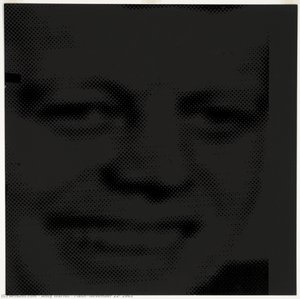
Polizei
 Contemporary Realism
 60.0 x 50.0 cm
 Rozwiń treść
Giclée / Wydruk artystyczny
Druk giclée lub płótno o jakości muzealnej, szybka realizacja i szeroki wybór opcji wykończenia. ( Zamów ręcznie malowaną reprodukcję Kup obraz wysokiej rozdzielczości)




































Wybierz spośród naszych standardowych rozmiarów, które zachowują oryginalne proporcje dzieła sztuki.

Możesz wprowadzić własne wymiary, aby dopasować dzieło do konkretnej ramy lub przestrzeni. Jeśli wybrany rozmiar nie będzie odpowiadał proporcjom oryginalnego obrazu, przytniecie dzieło lub rozszerzymy obraz za pomocą odbicia lustrzanego lub jednolitego wypełnienia krawędzi. Przed rozpoczęciem produkcji prześlemy cyfrową wizualizację do Twojej akceptacji.
Prosimy pamiętać, że podgląd na ekranie nie odzwierciedla faktycznego przycinania ani rozszerzania. Tylko wizualizacja dokładnie pokaże końcową kompozycję.
Mimo dostępności niestandardowych rozmiarów, zalecamy wybór wymiaru z listy zdefiniowanej, aby zachować oryginalne proporcje.
Dostawa na cały świat () w ciągu 2 tygodni zamiast standardowych 4/5 tygodni. (18 Sierpień)

Bezpłatna ekspresowa wysyłka na cały świat

Wysokiej jakości płótno lniane

Pełne ubezpieczenie przesyłki

Gwarancja zwrotu należności celnych i podatków importowych

Gwarancja wiernego odwzorowania kolorów

Polityka 60-dniowego zwrotu (tylko w przypadku wad)

Gwarancja 100% zwrotu kosztów

Zniżka przy zamówieniu wielu produktów
 Opcja ze szkłem jest dostępna wyłącznie w rozmiarach poniżej 110 cm

Polizei
Giclée / Wydruk artystyczny
Wymiary reprodukcji
-


Cena całkowita
$ 64
Podobne dzieła


O artyście
Eberhard Havekost: The Echoes of Richter and the Pursuit of Photographic Truth
Eberhard Havekost (1967 – 5 July 2019) was a German painter whose distinctive approach to artmaking—characterized by meticulous photographic manipulation and an unwavering commitment to exploring the complexities of visual perception—established him as one of the most significant voices in contemporary European painting. Born in Dresden, he inherited a sculptural lineage from his father, shaping his artistic sensibility early on with an understanding of form and materiality. This formative influence extended beyond sculpture; his mother’s profession as a taxidermist instilled within him a fascination for capturing detail and preserving appearances—a preoccupation that would become central to his artistic practice.- Early Life & Education: Havekost's formal education began at the Hochschule für Bildende Künste Dresden, where he honed his skills under Professor Ralf Kerbach, absorbing the principles of Richterian Photorealism and developing a foundational understanding of how photographic images could serve as catalysts for artistic exploration.
- The Influence of Gerhard Richter: Havekost’s work is undeniably indebted to Richter's groundbreaking method of layering photographs with subtle distortions and blurring—a technique that seeks to transcend mere representation, inviting viewers to contemplate the inherent ambiguity of visual experience. This stylistic choice reflects a broader philosophical concern with questioning the reliability of perception and acknowledging the impossibility of capturing reality in its entirety.
- Methodology: Havekost’s artistic process involved selecting images from diverse sources—television broadcasts, magazines, and his own photographs—and transforming them into canvases through painstaking digital manipulation. He didn't aim for literal replication but rather sought to distill the essence of these visual stimuli, extracting their underlying tensions and contradictions.
Key Themes & Artistic Series
Havekost’s oeuvre is marked by recurring motifs that grapple with profound questions about identity, memory, and the role of art in confronting societal anxieties. His series *Polizei* (Police), for instance, presented a portrait rendered in muted yellows and beige—a deceptively simple image that concealed layers of symbolic meaning related to surveillance and control. The artist deliberately blurred edges and softened contours, mirroring the way in which visual perception obscures underlying realities. Similarly, his exploration of architectural interiors—particularly *Benutzeroberfläche 7* (Interface 7)—revealed a fascination with spaces devoid of human presence, prompting contemplation on themes of abandonment and obsolescence.- Photography as Starting Point: Havekost consistently utilized photographic images as the genesis for his paintings, recognizing their capacity to provoke reflection on how we perceive and interpret the world around us.
- Repetition & Serial Change: Recurring motifs—such as landscapes and architectural spaces—were often revisited in multiple iterations, demonstrating Havekost’s belief that visual effects could evolve over time and prompting viewers to consider the significance of repetition.
Critical Reception & Legacy
David Pagel of *The Los Angeles Times* lauded Havekost's work as “a promising painter so deeply indebted to Richter’s version of abbreviated Photorealism that it appears he has not yet come into his own,” praising the artist’s ability to generate tension between photographic immediacy and formal abstraction. Roberta Smith, writing for *The New York Times*, noted that Havekost’s paintings possessed “the blunt dispatch and immediacy of Mr. Havekost's surfaces, while suitably laconic, run counter to the randomness and remove of the images,” highlighting the artist’s distinctive stylistic vision.Notable Collections & Exhibitions
Havekost’s artwork is held in prestigious institutions worldwide, including the Museum of Modern Art (MoMA), Denver Art Museum, Marx Collection, Rubell Family Collection, Frieder Burda Collection and Tate Collection. His exhibitions have garnered critical acclaim and cemented his position as a pivotal figure in contemporary art history.Concluding Remarks
Eberhard Havekost’s artistic legacy resides not merely in the visual impact of his paintings but also in his unwavering commitment to interrogating the fundamental assumptions underlying photographic representation—a pursuit that continues to resonate with artists and critics alike. His exploration of themes like censorship, memory, and perception serves as a testament to the enduring power of art to provoke dialogue and challenge conventional understandings of reality.
eberhard havekost
1967 - 2019
Krótka nota
- Artistic Movement Or Style: Photorealism Richter
- Artists Or Movements Influenced By This Artist: ['Contemporary Painting']
- Artists Who Influenced This Artist: ['Gerhard Richter']
- Date Of Death: 5 July 2019
- Full Name: Eberhard Havekost
- Nationality: German
- Notable Artworks:
- Retina
- Polizei
- Place Of Birth: Dresden, Germany
Powiązane artykuły
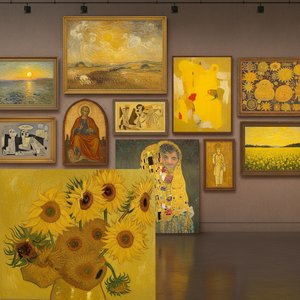
Top 10 Arcydzieł w Odcieniach Chromowej Żółci – Inspiracje do Wnętrz od AllPaintingsStore
Odkryj 10 arcydzieł sztuki, w których króluje chromowa żółć! Van Gogh, Monet, Renoir i inni mistrzowie. Inspiracje wnętrzarskie i reprodukcje obrazów najwyższej jakości na AllPaintingsStore.com. Eksploruj pełną kolekcję online!

Top 10 Sławnych Obrazów w Odcieniach Ochry Żółtej – Sztuka i Dekoracja Domu
Odkryj 10 najsłynniejszych obrazów w odcieniach ochry żółtej! Van Gogh, Monet i inni mistrzowie. Poznaj historię sztuki, inspiracje kolorystyczne i techniki malarskie. Reprodukcje najwyższej jakości na AllPaintingsStore.com – udekoruj swój dom arcydziełami!

10 Arcydzieł Ekspresjonizmu Niemieckiego, Które Zdefiniowały Epokę | AllPaintingsStore
Poznaj 10 arcydzieł ekspresjonizmu niemieckiego – od Kirchnera po Muncha. Odkryj historię, emocje i techniki tych ikonicznych dzieł sztuki. Reprodukcje najwyższej jakości na AllPaintingsStore.com. Eksploruj kolekcję online!

The Golden Hue: Exploring Symbolism & Emotion in Yellow Art
Explore the rich symbolism & emotional power of yellow in art history! From Van Gogh to Kandinsky, discover how artists used this vibrant hue. Expert analysis & high-quality reproductions at AllPaintingsStore.

Anton von Werner: Imperial Painter, Historical Witness & Shifting German Identity
Explore the life & work of Anton von Werner, Imperial Germany's leading painter. Discover his dramatic depictions of war, unification, and court life – a fascinating insight into 19th-century German history & art.



