


 Podgląd w skali 1:1

 Wyślij jako kartkę
 Udostępnij
 Szczegóły dzieła
 Przewodnik


 Pobierz obraz
 Podobne obiekty
 RTG
 Pokaz slajdów
 Pytania i odpowiedzi
 Statystyki
Haskell

- 34.0 x 49.0 cm


 Rozwiń treść
Dzieło sztuki prezentowane na tej stronie podlega ochronie prawem autorskim, co oznacza, że nie mamy prawa do tworzenia ani sprzedaży jego identycznej reprodukcji. Ochrona ta jest egzekwowana na mocy umów międzynarodowych, takich jak Konwencja berneńska oraz przez przepisy prawa krajowego, w tym te określone w Prawo autorskie USA – Tytuł 17.
Metoda ta jest w pełni zgodna z przepisami prawa autorskiego, ponieważ nie polega na kopiowaniu ani powielaniu chronionego dzieła. Stanowi ona kreatywną reinterpretację – nowy obraz, który czerpie inspirację z oryginału, ale nie jest z nim tożsamy.
Giclée / Wydruk artystyczny
Wydruki giclée lub płótna o jakości muzealnej, szybka realizacja i szeroki wybór opcji wykończenia. ( Zamów ręcznie malowaną reprodukcję Przejdź do wersji cyfrowej)
P118B zł10
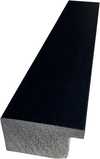
P118H zł10
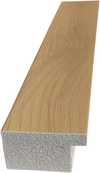
P118W zł10
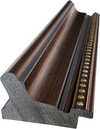
P438Z zł10
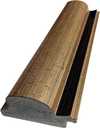
P508JH zł12
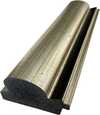
P508YH zł12
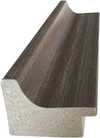
P805H zł10
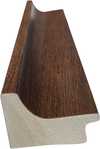
P805Z zł10
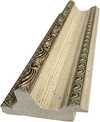
P919BZ zł10
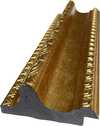
P919G zł10
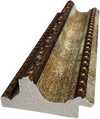
P919XJ zł10
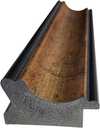
P959ZH zł10
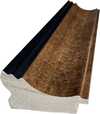
P968JZ zł12
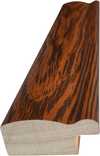
W106C zł8

W218G zł10
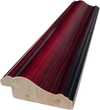
W218JH zł8
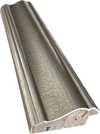
W218Y zł10
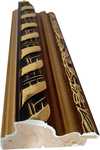
W307PJ zł10
W316G zł10
W316PJ zł8
W316Y zł10
W398PJ zł8
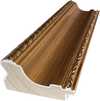
W4111J zł10
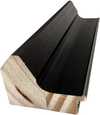
W500HY zł15
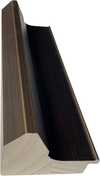
W500JH zł15
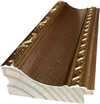
W692G zł12
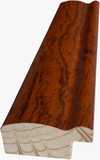
W849H zł8
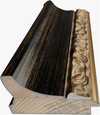
W940BG zł15
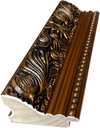
W953PJ zł8
Wybierz spośród naszych standardowych rozmiarów, które zachowują oryginalne proporcje dzieła sztuki.

Wpisz wymaganą szerokość i wysokość, aby dopasować grafikę do ramy lub ściany. Wydruk można jedynie przyciąć, nigdy nie powiększając go poza oryginalny obraz, dlatego format o innych proporcjach spowoduje utratę części kompozycji. Przed rozpoczęciem druku prześlemy Ci cyfrowy podgląd do zatwierdzenia. Obraz wyświetlany na tej stronie nie pokazuje rzeczywistego przycięcia — jedynie podgląd oddaje ten efekt.
Dostawa na cały świat () w ciągu 2 tygodni zamiast standardowych 4/5 tygodni. (19 Listopad)

Bezpłatna ekspresowa wysyłka na cały świat

Wysokiej jakości płótno lniane

Pełne ubezpieczenie przesyłki

Gwarancja zwrotu należności celnych i podatków importowych

Gwarancja wiernego odwzorowania kolorów

100-dniowa polityka zwrotów (tylko w przypadku wad)

Gwarancja 100% zwrotu pieniędzy

Zniżka przy zakupie wielu sztuk
 Opcja ze szkłem jest dostępna wyłącznie w rozmiarach poniżej 110 cm

Haskell
Giclée / Wydruk artystyczny
Wymiary reprodukcji
-


Cena całkowita
zł 253
A Study in Quietude: The Poignant Stillness of Edward Hopper’s Haskell
In the vast tapestry of American modernism, few works capture the delicate tension between presence and absence as effectively as Edward Hopper’s 1924 watercolor, Haskell. This evocative piece transcends a mere architectural study, offering instead a profound meditation on solitude and the quiet observation of the landscape. At first glance, the viewer is presented with a deceptively simple scene: a modest white house perched gracefully atop a gentle hillside, bathed in the soft, diffused light of a clear day. Yet, beneath this tranquil surface lies a palpable sense of introspection. Hopper utilizes the watercolor medium to masterfully manipulate tonal variations, allowing the creamy whites of the house's siding to contrast with the muted, earthy greens of the surrounding foliage. The composition is anchored by strong horizontal lines that mirror the expansive vista, creating a feeling of openness that paradoxically emphasizes the isolation of the dwelling.
The technical brilliance of Haskell lies in Hopper’s ability to use light as a narrative force. Through careful brushstrokes and precise geometric delineations, he imbue the architecture with a textural richness that feels both grounded and ethereal. The way shadows stretch across the expansive windows suggests a passing of time, inviting the viewer to linger within the stillness. This mastery of light and shadow is a hallmark of Hopper’s style, a technique that would later define his most iconic oil paintings. By integrating subtle architectural details with the organic flow of the landscape, he creates a visual equilibrium that is both unsettling and deeply captivating, prompting a contemplation of what lies hidden behind those silent windows.
Historical Resonance and the American Soul
To understand Haskell, one must look toward the cultural landscape of post-World War I America. Painted during an era of rapid industrialization and burgeoning urbanization, the work aligns with the spirit of American Regionalism—a movement dedicated to portraying the authentic, unvarnished essence of everyday life. As cities grew more crowded and complex, a new sense of alienation began to permeate the collective psyche. Hopper captures this burgeoning modern loneliness not through grand tragedy, but through the quietude of a single hilltop home. The inclusion of two small figures near the base of the composition serves as a vital human element; they are observers within the frame, much like the viewer, yet their presence subtly disrupts the stillness, reminding us of the human connection to the vast, often indifferent, landscape.
For the discerning collector or interior designer, Haskell offers more than just aesthetic beauty; it provides a window into a pivotal moment in art history. The painting’s ability to evoke both peace and a subtle, underlying anxiety makes it a versatile masterpiece for modern spaces. It possesses a timeless quality that complements sophisticated, minimalist interiors, where its soft palette and structural clarity can serve as a focal point of contemplation. Whether viewed as a relic of early 20th-century realism or as a contemporary symbol of mindfulness and retreat, this watercolor remains an enduring testament to Hopper’s ability to find the extraordinary within the ordinary.
Pytania i odpowiedzi
Czy kolory w „Haskell” – Edward Hopper są nasycone, czy stonowane?
Kolorystyka dzieła "Haskell" charakteryzuje się nasyceniem na poziomie Muted oraz intensywnością wynoszącą Monochromatic.
Jaki rozmiar "Haskell" jest sugerowany do Hotel Room?
W pomieszczeniu typu Hotel Room sugerowany jest wydruk dzieła „Haskell” w rozmiarze Small.
Jaki to rodzaj dzieła sztuki: „Haskell” – Edward Hopper?
W katalogu dzieło „Haskell” – Edward Hopper zostało sklasyfikowane jako WallArt. Kategoria ta ułatwia odnajdywanie podobnych prac.
Podobne dzieła


Biografia artysty
Cisza amerykańskiego krajobrazu
Edward Hopper urodził się w Upper Nyack, w Stanach Zjednoczonych. Jego wczesne lata upłynęły na obserwowaniu świata uważnym okiem, co zapoczątkowały dziecięce szkice, skrupulatnie datowane i podpisane. Choć rodzice sugerowali mu praktyczną ścieżkę w postaci ilustracji komercyjnej, jego serce pozostało przy sztuce wysokiej. Studiował w New York School of Art pod okiem William Merritt Chase oraz Robert Henri. Te lata wykształciły w nim warsztat niezbędny do przedstawiania świata w sposób surowy i szczery. Nie szukał ulotnych pociągnięć pędzla impresjonistów, których poznał w Paryżu. Zamiast tego wypracował własny sposób patrzenia, który przedkładał bezruch chwili nad ruch tłumu.
Twórczość Hoppera często koncentruje się na tym, co przyziemne. Skupiał wzrok na domach, jadłodajniach, biurach i pokojach hotelowych. Odrzucał zbędne detale, aby dotrzeć do głębokiej, emocjonalnej prawdy ukrytej w danej scenie. W dziele House by the Railroad (1925) prosta kompozycja odsłania poczucie tajemnicy i izolacji. Światło i cień nie służyły mu jedynie do opisu wnętrza, lecz do budowania nastroju. Precyzyjne oddanie cienia na ścianie czy sposób, w jaki światło pada na okno, stały się jego sposobem na komunikowanie stanu psychicznego postaci.
Światło i miejskie wnętrze
Sposób, w jaki światło wdziera się w przestrzeń, jest centralnym bohaterem jego obrazów. W Nighthawks (1942) surowe, fluorescencyjne światło nocnej jadłodajni rozcina mrok opustoszałej, miejskiej ulicy. Postacie znajdujące się wewnątrz są blisko siebie fizycznie, lecz wydają się zagubione we własnych myślach, całkowicie odizolowane od siebie nawzajem. To poczucie anonimowości w zatłoczonym mieście stało się jego motywem przewodnim. Artysta potrafił uchwycić napięcie towarzyszące byciu samotnym w miejscu publicznym, co wybrzmiewa w takich pracach jak Automat czy Office in a Small City. Fascynowało go to, jak sztuczne światło wchodzi w interakcję z naturalną ciemnością nocy.
Jego żona, Josephine Nivison Hopper, była stałą obecnością w jego życiu. Jako artystka często służyła mu za modelkę, a jej obecność jest wyczuwalna w kreacji wielu kobiecych postaci na jego płótnach. Wspólnie prowadzili skromne życie, spędzając lata letnie w Nowej Anglii, co wywarło wpływ na malowane przez niego krajobrazy. Jego przedstawienia amerykańskiego pejzażu, zarówno wiejskiego, jak i miejskiego, często podkreślają pewną surowość lub pustkę. Niezależnie od tego, czy jest to przydrożna stacja benzynowa w Gas (1940), czy cichy pokój w hotelu, tematem zawsze pozostaje punkt styku fizycznego miejsca z prywatnym, wewnętrznym doświadczeniem.
Dziedzictwo uważności
Wpływ Hoppera wykracza poza malarstwo, przenikając do języka wizualnego filmu i literatury. Jego zdolność do budowania napięcia psychologicznego poprzez kompozycję została dostrzeżona przez wielu badaczy sposobu, w jaki opowieści są snute za pomocą obrazów. Jego dzieła znajdują się w najważniejszych muzeach na świecie, w kolekcjach takich jak Whitney Museum of American Art czy Museum of Fine Arts w Bostonie. Nie dążył do tworzenia wielkich narracji historycznych. Odnajdywał tematy w cichych zakamarkach codzienności, zmieniając zwykłe okno lub mijanego nieznajomego w studium ludzkiej kondycji. Jego twórczość pozostaje przejmującym studium ciszy, która istnieje między ludźmi.
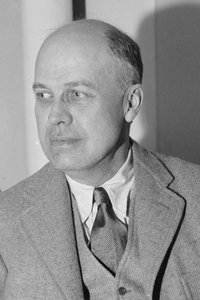
Edward Hopper
1931 - 1967 , Stany Zjednoczone
Krótka nota
- Artistic Movement Or Style: Realizm amerykański
- Artists Or Movements Influenced By This Artist: ['Pierre Sanford Ross']
- Artists Who Influenced This Artist:
- William Merritt Chase
- Robert Henri
- Edgar Degas
- Édouard Manet
- Date Of Birth: 1931
- Date Of Death: 1967
- Full Name: Edward Hopper
- Nationality: Amerykanin
- Notable Artworks:
- Nighthawks
- Gas
- House by the Railroad
- Automat
- Office in a Small City
- Summertime
- Place Of Birth: Upper Nyack, Stany Zjednoczone
Powiązane artykuły

American Regionalism: An Expert Guide to Integrating Heartland Soul into Hospitality Design
Elevate hospitality interiors with the authentic soul of American Regionalism. An expert guide for hotel designers on sourcing high-quality, large-scale oil reproductions and custom multi-panel landscapes to create timeless, character-driven spaces for global travelers.

25 Must-See Masterpieces at the Smithsonian American Art Museum
Explore 25 iconic works from the Smithsonian American Art Museum. From Hopper to O'Keeffe, find museum-quality art on AllPaintingsStore.com.

10 Iconic Masterpieces That Defined Contemporary Realism
Journey through the soul of Contemporary Realism. Explore 10 iconic masterpieces, their legendary artists, and the breathtaking techniques that define modern realism. Find museum-quality art reproductions and decor inspiration at AllPaintingsStore.com. Discover all masterpieces online.

Mastering Solitude: The 25 Most Iconic Edward Hopper Paintings
Step into the evocative world of American Realism with our curated guide to the top 25 Edward Hopper artworks. Explore the profound beauty of light, shadow, and solitude through these iconic masterpieces. Find museum-quality art inspiration at AllPaintingsStore.com. Discover all masterpieces online.


