

Acrylic On Canvas.

§ 1Dane katalogowe

Ten utwór podlega ochronie prawem autorskim
Dzieło sztuki prezentowane na tej stronie podlega ochronie prawem autorskim, co oznacza, że nie mamy prawa do tworzenia ani sprzedaży jego identycznej reprodukcji. Ochrona ta jest egzekwowana na mocy umów międzynarodowych, takich jak Konwencja berneńska oraz przez przepisy prawa krajowego, w tym te określone w Prawo autorskie USA – Tytuł 17.
Jako pełną szacunku i legalną alternatywę oferujemy personalizowane, malowane ręcznie dzieła sztuki inspirowane oryginałem. Nasi wykwalifikowani i profesjonalni artyści starannie analizują styl, nastrój oraz artystyczną esencję pierwowzoru, aby stworzyć nowe, unikalne dzieło, które przywołuje te same emocje – pozostając jednocześnie w pełni oryginalną kreacją.
Metoda ta jest w pełni zgodna z przepisami prawa autorskiego, ponieważ nie polega na kopiowaniu ani powielaniu chronionego dzieła. Stanowi ona kreatywną reinterpretację – nowy obraz, który czerpie inspirację z oryginału, ale nie jest z nim tożsamy.
 Dowiedz się więcej
§ 2Abstrakcja
Opis obiektu
Edward Hopper's iconic 'untitled (5639)' captures urban solitude with its evocative street scene and subtle light. Explore the painting’s details, artist insights & related artworks.
Biografia artysty
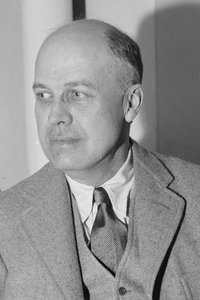
Edward Hopper – mistrz amerykańskiego realizmu, maluje samotność i miejski krajobraz z wyczarującym światłem i cieniem. Odkryj jego ikoniczne obrazy, takie jak Nighthawks!
§ 3Komentarz
The Quiet Resonance of a City Night
Edward Hopper's "untitled (5639)," painted in 1942, isn't merely a depiction of a street scene; it’s a distilled essence of modern American loneliness. Captured with his signature mastery of light and shadow, the painting transports us to a late-night urban landscape—a tableau of quiet contemplation amidst the anonymity of city life. The canvas breathes with an understated melancholy, inviting viewers to ponder the solitary figures caught within its frame and the unspoken narratives simmering beneath the surface.
Hopper’s genius lay in his ability to imbue ordinary subjects – a street corner, a diner, a single figure—with profound emotional weight. “untitled (5639)” exemplifies this perfectly. The architecture, suggestive of early 20th-century New York, is rendered with precise detail yet feels simultaneously detached and impersonal. The muted palette—earth tones punctuated by the warm brick of the building and the cool hues of the sky—creates a sense of stillness, amplifying the feeling of isolation. The composition itself draws the eye towards the solitary figure walking away from the viewer, creating an immediate connection with this anonymous individual’s journey.
A Masterclass in Realism and Light
Technically, “untitled (5639)” is a testament to Hopper's rigorous approach. He employed a realistic style, meticulously observing and translating the world around him onto canvas. However, he wasn’t simply replicating reality; he was sculpting an atmosphere—a mood. The use of light is particularly striking. The diffused glow emanating from the diner windows casts long shadows, defining shapes and creating a sense of depth while simultaneously obscuring details. Hopper masterfully utilizes chiaroscuro – the dramatic contrast between light and dark – to heighten the painting’s emotional impact, drawing attention to key elements and subtly suggesting hidden narratives.
The brushstrokes are deliberate and controlled, contributing to the overall sense of stillness and restraint. Hopper favored a technique that allowed the paint to retain a certain texture, avoiding overly smooth or blended surfaces. This textural quality adds a layer of visual interest and reinforces the painting’s tangible presence. The careful rendering of the building's facade, with its varied windows and fire escape, speaks to Hopper’s keen eye for architectural detail—a hallmark of his work.
Symbolism and the American Condition
Beyond its technical merits, “untitled (5639)” is rich in symbolism. The solitary figure walking away represents a detachment from connection, a feeling that resonates deeply within the modern experience. The empty street, illuminated by the artificial light of the diner, evokes a sense of urban alienation—a common theme in Hopper’s oeuvre. Some art historians suggest the painting was inspired by Hemingway's short stories, particularly "The Killers," exploring themes of isolation and unspoken anxieties.
The inclusion of the lamppost with its striped base adds another layer of visual interest, acting as a subtle focal point within the composition. It’s a small detail that contributes to the painting's overall sense of quiet observation. The painting can be interpreted as a meditation on the complexities of urban life—the beauty and the loneliness, the connection and the isolation—all interwoven into a single, evocative image.
A Legacy of Solitude
“untitled (5639)” stands as one of Edward Hopper’s most enduring works, capturing the essence of American realism with remarkable precision and emotional depth. It's a painting that continues to resonate with viewers today, prompting reflection on themes of solitude, urban life, and the human condition. Reproductions of this iconic piece offer a powerful way to bring Hopper’s evocative vision into any space, inviting contemplation and adding a touch of understated elegance to your surroundings.
Pytania i odpowiedzi
Czy obraz „untitled (5639)” – Edward Hopper można swobodnie reprodukować?
„untitled (5639)” – Edward Hopper znajduje się w domenie publicznej (nadal objęte ochroną prawa autorskiego). Status ten określa zasady reprodukcji obrazu tego dzieła.
Jaki nastrój i emocje łączą się w "untitled (5639)"?
Nastrój utrwalony w „untitled (5639)” – Edward Hopper to Calm, a jego ton emocjonalny to Melancholic.
Czy "untitled (5639)" to słynne dzieło nurtu American Realism?
„untitled (5639)” – Edward Hopper jest klasyfikowane jako Iconic i należy do nurtu American Realism.


 Przełącz na wydania drukowane


 W przypadku dzieł sztuki lub reprodukcji, których którykolwiek z boków przekracza 105 cm (około 41 cali), rama zostanie wysłana w formie zestawu do samodzielnego montażu. Metoda ta zapewnia bezpieczną dostawę i zapobiega uszkodzeniom podczas transportu.


