


 Podgląd w skali 1:1
 Wyślij jako kartkę
 Udostępnij
 Szczegóły dzieła
 Przewodnik

 Pobierz obraz
 Podobne obiekty
 RTG
RTG Pokaz slajdów
 Statystyki
River By Mooonlight

 Rozwiń treść
Ręcznie malowana reprodukcja olejowa
Ręcznie malowany obraz olejny na płótnie, wykonany na zamówienie przez naszych artystów w wybranym przez Ciebie wymiarze i oprawie. ( Przełącz na wydania drukowane Przejdź do wersji cyfrowej)




P118B zł10

P118H zł10

P118W zł10

P438Z zł10

P508JH zł12

P508YH zł12

P805H zł10

P805Z zł10

P919BZ zł10

P919G zł10

P919XJ zł10

P959ZH zł10

P968JZ zł12

W106C zł8

W218G zł10

W218JH zł8

W218Y zł10

W307PJ zł10

W316G zł10

W316PJ zł8

W316Y zł10

W398PJ zł8

W4111J zł10

W500HY zł15

W500JH zł15

W692G zł12

W849H zł8

W940BG zł15

W953PJ zł8




Wybierz spośród naszych standardowych rozmiarów, które zachowują oryginalne proporcje dzieła sztuki.

Wpisz wymaganą szerokość i wysokość, aby obraz pasował do Twojej ramy lub ściany. Ponieważ jest to dzieło malowane ręcznie, w przypadku rozmiaru o innych proporcjach artysta może domalować nieco więcej wokół obrazu lub przyciąć jego fragmenty — wybór należy do Ciebie. Przed rozpoczęciem pracy prześlemy Ci cyfrową wizualizację do zatwierdzenia. Obraz widoczny na tej stronie nie przedstawia rzeczywistego efektu — jedynie wizualizacja oddaje realny rezultat.
Po złożeniu zamówienia zespół AllPaintingsStore.com skontaktuje się z klientem drogą mailową w celu uzyskania instrukcji i prześle wizualizację projektu
Dostawa na całym świecie () w ciągu 3–4 tygodni zamiast standardowych 5 tygodni. (26 Październik). Bez kompromisów w kwestii jakości.

Bezpłatna ekspresowa wysyłka na cały świat

Wysokiej jakości płótno lniane

Pełne ubezpieczenie przesyłki

Gwarancja zwrotu należności celnych i podatków importowych

Gwarancja wiernego odwzorowania kolorów

100-dniowa polityka zwrotów (tylko w przypadku wad)

Gwarancja 100% zwrotu pieniędzy

Zniżka przy zakupie wielu sztuk
 Opcja ze szkłem jest dostępna wyłącznie w rozmiarach poniżej 110 cm

River By Mooonlight
Technika reprodukcji
Wymiary reprodukcji
-


Cena całkowita
zł 991
Podobne dzieła


Biografia artysty
A Legacy of Light and Landscape: The Life of Edward Williams
The history of British landscape painting is often told through the grand sweeping gestures of the Romantics, yet within the intimate, atmospheric textures of the Barnes School, one finds a profound mastery of the English spirit. At the heart of this movement stood Edward Williams (1782–1855), an artist whose brush captured not merely the topography of the land, but the very breath of the countryside. Born in Worcester and later establishing himself within the vibrant artistic circles of London, Williams was a man whose life was deeply intertwined with the traditions of craftsmanship and the evolving sensibilities of the Victorian era. As a descendant of a lineage of artistic excellence, his journey was one of both inheritance and individual innovation, moving from the precise discipline of engraving to the evocative, fluid realms of oil painting.
Williams’s early years were marked by a rigorous immersion in the technical foundations of art. Alongside his father, an engraver of notable skill, he learned the delicate language of line and shadow. This early training in printmaking bestowed upon him a unique ability to render fine detail without sacrificing the broader emotional resonance of his subjects. His formative experiences, which included studying the artistic currents flowing through Europe, allowed him to synthesize the meticulousness of English tradition with the luminous, atmospheric qualities found in the works of the Dutch Golden Age masters. This fusion became the hallmark of his style, characterized by a remarkable use of atmospheric perspective—a technique where distant hills dissolve into soft, hazy blues and light seems to scatter through a humid, summer air, pulling the viewer deep into the canvas.
The Thames and the Mastery of Atmosphere
Nowhere is Williams’s genius more evident than in his devotion to the River Thames and its surrounding environs. He possessed an uncanny ability to capture the shifting moods of the water, from the tranquil, sun-drenched reaches of a summer afternoon to the brooding, nocturnal mysteries of a moonlit riverbank. His compositions often featured the rhythmic movement of Dutch-style barges, rustic timber-framed cottages, and the gentle sway of windswept oak trees, creating a sense of pastoral peace that offered a psychological respite from the encroaching industrialization of his age. In works such as “Dutch Barges near a Beach”, one can almost feel the dampness of the river mist and hear the soft lapping of waves against the shore.
Beyond the purely aesthetic, Williams’s work was imbued with a sense of narrative and social observation. While he is celebrated for his idyllic scenery, he was also an artist of keen intellect who utilized his skills to engage with the turbulent politics of his time. His foray into political cartooning, such as the biting “The Rats Leaving a Falling House,” demonstrated a capacity for symbolism and social commentary that mirrored the anxieties of a nation navigating profound political shifts. This duality—the ability to paint both the serene beauty of a woodland glade and the sharp, satirical edge of a political critique—marks him as a truly multifaceted creator whose work bridged the gap between fine art and social discourse.
A Patriarch of the Barnes School
The significance of Edward Williams extends far beyond his individual canvases; he was the patriarch of a remarkably gifted artistic dynasty. His influence permeated the works of his children, most notably Edward Charles Williams, whose early style so closely mirrored his father’s that distinguishing between their woodland scenes remains a delightful challenge for art historians today. This familial continuity helped solidify the Barnes School as a cohesive and influential movement within British art, characterized by a shared devotion to the beauty of the natural world and a refined approach to light and texture.
Today, the legacy of Edward Williams survives in the enduring charm of his landscapes, which continue to evoke a sense of nostalgia for a lost, pastoral England. His contributions to the development of landscape painting—blending the precision of an engraver with the soul of a poet—ensure his place in the pantheon of great British artists. To look upon a Williams landscape is to witness a moment frozen in time, where the light of the nineteenth century still dances upon the surface of a quiet river, inviting us to rediscover the timeless majesty of the English countryside.

Edward Williams
1828 - 1910 , United Kingdom
Krótka nota
- Full Name: Edward Williams Clay
- Nationality: British
- Date Of Birth: 1828
- Date Of Death: 1910
- Place Of Birth: Worcester, United Kingdom
- Notable Artworks:
- Dutch Barges near a Beach
- Off the Coast of Leghorn
- River Bank with Cottage
- Artistic Movement Or Style: Victorian Landscape Painting
- Artists Or Movements Influenced By This Artist: ['Barnes School']
Powiązane artykuły

Romantyczny Krajobraz w Malarstwie: 10 Arcydzieł, Które Zdefiniowały Epokę | AllPaintingsStore.com
Odkryj 10 arcydzieł romantyzmu w malarstwie! Poznaj historie Caspara Davida Friedricha, Turnera i innych mistrzów. Inspiracje wnętrzarskie & reprodukcje obrazów najwyższej jakości na AllPaintingsStore.com. Eksploruj kolekcję online!

Edward Hopper: 25 Arcydzieł Malarstwa Pełnych Emocji i Amerykańskiej Duszy | AllPaintingsStore.com
Odkryj 25 arcydzieł Edwarda Hoppera – malarstwa pełnych samotności, realizmu i amerykańskiej duszy. Poznaj historie kultowych obrazów, inspiracje wnętrzarskie i wyjątkową atmosferę jego dzieł. Reprodukcje najwyższej jakości na AllPaintingsStore.com
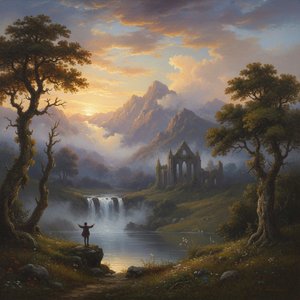
Obrazowanie Emocji i Transcendencji: Romantyczny Krajobraz Malarski XVIII i XIX Wieku
Odkryj fascynujący świat romantycznego krajobrazu malarskiego XVIII i XIX wieku! Poznaj arcydzieła Friedricha, Turnera i polskich mistrzów. Analiza emocji, historii i inspiracji w sztuce.

The Hudson River School: A Definitive Guide to America's Romantic Landscape Tradition
Explore the profound legacy of the Hudson River School. Discover how masters like Thomas Cole captured the American sublime through Romanticism and Luminism. A definitive guide for art historians and collectors seeking to understand America's wild beauty.
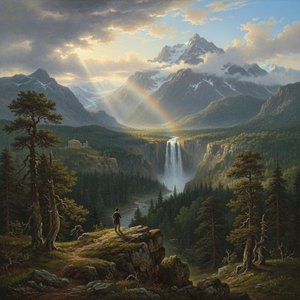
Evoking Nature's Sublime: A Comprehensive Exploration of 19th-Century Landscape Painting
Explore the captivating world of 19th-century landscape painting! Discover renowned artists like Friedrich & Monet, key movements, and find the perfect artwork to bring nature's serenity into your home. Expert insights at AllPaintingsStore.

