


 Podgląd w skali 1:1
 Wyślij jako kartkę
 Udostępnij
 Szczegóły dzieła
 Przewodnik

 Pobierz obraz
 Podobne obiekty
 RTG
RTG Pokaz slajdów
 Statystyki
st. ildefonso


 Rozwiń treść
Giclée / Wydruk artystyczny
Wydruki giclée lub płótna o jakości muzealnej, szybka realizacja i szeroki wybór opcji wykończenia. ( Zamów ręcznie malowaną reprodukcję Przejdź do wersji cyfrowej)




P118B zł10

P118H zł10

P118W zł10

P438Z zł10

P508JH zł12

P508YH zł12

P805H zł10

P805Z zł10

P919BZ zł10

P919G zł10

P919XJ zł10

P959ZH zł10

P968JZ zł12

W106C zł8

W218G zł10

W218JH zł8

W218Y zł10

W307PJ zł10

W316G zł10

W316PJ zł8

W316Y zł10

W398PJ zł8

W4111J zł10

W500HY zł15

W500JH zł15

W692G zł12

W849H zł8

W940BG zł15

W953PJ zł8




Wybierz spośród naszych standardowych rozmiarów, które zachowują oryginalne proporcje dzieła sztuki.

Wpisz wymaganą szerokość i wysokość, aby dopasować grafikę do ramy lub ściany. Wydruk można jedynie przyciąć, nigdy nie powiększając go poza oryginalny obraz, dlatego format o innych proporcjach spowoduje utratę części kompozycji. Przed rozpoczęciem druku prześlemy Ci cyfrowy podgląd do zatwierdzenia. Obraz wyświetlany na tej stronie nie pokazuje rzeczywistego przycięcia — jedynie podgląd oddaje ten efekt.
Dostawa na cały świat () w ciągu 2 tygodni zamiast standardowych 4/5 tygodni. (26 Październik)

Bezpłatna ekspresowa wysyłka na cały świat

Wysokiej jakości płótno lniane

Pełne ubezpieczenie przesyłki

Gwarancja zwrotu należności celnych i podatków importowych

Gwarancja wiernego odwzorowania kolorów

100-dniowa polityka zwrotów (tylko w przypadku wad)

Gwarancja 100% zwrotu pieniędzy

Zniżka przy zakupie wielu sztuk
 Opcja ze szkłem jest dostępna wyłącznie w rozmiarach poniżej 110 cm

st. ildefonso
Giclée / Wydruk artystyczny
Wymiary reprodukcji
-


Cena całkowita
zł 246
A Vision of Devotion: The Spiritual Majesty of St. Ildefonso
In the quiet, hallowed atmosphere of El Greco’s St. Ildefonso, the viewer is not merely observing a portrait but is invited into a profound moment of spiritual communion. Created during the artist's mature period in Toledo, this masterpiece captures the essence of a saint whose life was defined by unwavering faith and intellectual rigor. The central figure, St. Ildefonso, sits with a serene yet heavy solemnity, his presence commanding the space around him. As he rests at a table laden with scholarly documents, the painting transcends simple portraiture to become a meditation on the intersection of human intellect and divine inspiration. For the discerning collector or lover of classical art, this work offers more than visual beauty; it provides a window into the very soul of the Spanish Renaissance.
The artistry of El Greco is nowhere more evident than in his masterful command of Mannerist techniques. The figure of the saint possesses that signature elongated grace, a stylistic choice that serves to pull the viewer's gaze upward, symbolizing the aspiration toward the heavens. Through the meticulous application of glazing, El Greco achieves a luminous quality, where light does not simply hit the surface but seems to emanate from within the skin and fabric of the subject itself. This interplay of chiaroscuro—the dramatic tension between deep, velvety shadows and brilliant, ethereal highlights—sculpts the saint's features with an emotional intensity that is both haunting and deeply moving.
Symbolism and the Texture of Faith
Every element within the composition of St. Ildefonso has been carefully orchestrated to reinforce its theological depth. The papers and books scattered across the table are not mere props; they represent the saint's role as a scholar and a defender of the faith, grounding his spiritual ecstasy in the tangible world of study and administration. The dark, somber robes of the figure provide a stark, dramatic contrast to the subtle, golden radiance that permeates the scene, creating a visual metaphor for the light of God piercing through the shadows of earthly existence. This balance of weight and light makes the painting an extraordinary focal point for any sophisticated interior, offering a sense of gravitas and timelessness.
To possess or display a reproduction of this work is to bring a piece of Toledo's historical grandeur into one's own space. The painting reflects a period of fervent piety and artistic innovation, where the boundaries between the physical and the metaphysical were beautifully blurred. Whether placed in a curated gallery setting or as a centerpiece in a thoughtfully designed study, St. Ildefonso continues to resonate with its ability to evoke contemplation, peace, and a sense of historical wonder. It remains an enduring testament to El Greco's unique ability to capture the intangible essence of the divine through the medium of oil and canvas.
Pytania i odpowiedzi
Czy w „st. ildefonso” – El Greco zastosowano silne kontrasty czy raczej łagodne harmonie?
Analiza kolorystyczna dzieła „st. ildefonso” – El Greco ukazuje Balanced kontrast oraz Strong Color Unity harmonię.
Czy istnieje karta informacyjna o „st. ildefonso” – El Greco przeznaczona dla studentów?
Przewodnik po "st. ildefonso" to strona Karta informacyjna dla uczniów dzieła sztuki – nadrukowalna karta informacyjna zawierająca opis utworu, informacje o autorstwie oraz tabelę danych (artysta, daty, technika, wymiary oryginału, kolekcja).
Czy kolory w „st. ildefonso” – El Greco są nasycone czy stonowane?
Kolory dzieła „st. ildefonso” – El Greco charakteryzują się Balanced Soft nasyceniem. Nasycenie określa, jak żywe lub stonowane są barwy.


Biografia artysty
Doménikos Theotokópoulos – El Greco: A Life Forged in Faith and Fire
Doménikos Theotokópoulos, universally known as El Greco – “the Greek” – stands apart from his contemporaries as a painter whose artistic journey transcended conventional boundaries. Born in Crete, Greece (1541), under Venetian rule, his life was marked by both intellectual curiosity and unwavering devotion to Orthodox Christianity—a duality that profoundly shaped his distinctive style and enduring legacy. He wasn’t merely responding to the artistic currents of his time; he actively wrestled with them, synthesizing Byzantine traditions with Renaissance innovations into a visual language utterly his own. This singular vision anticipated the expressive fervor of Expressionism and the fragmented perspectives of Cubism centuries later, cementing his place as a pivotal figure in European art history.Early Training and Venetian Influences
El Greco’s formative years were spent honing his skills within the Byzantine artistic milieu—a tradition characterized by meticulous detail, symbolic representation, and profound spiritual contemplation. He studied under Antonios Pizzorno, a Venetian artist who instilled in him a disciplined approach to technique and an appreciation for classical ideals. Recognizing the dynamism of Venetian painting – particularly the works of Titian, Tintoretto, and Veronese – El Greco embarked on a transformative voyage to Venice around 1567. This immersion proved decisive; he absorbed their mastery of color, composition, and dramatic lighting, fundamentally altering his artistic sensibilities. He moved away from the rigid conventions of Mannerism, embracing looser brushwork and experimenting with oil paints—a medium that allowed him to achieve unprecedented levels of luminosity and expressive power. *St. Sebastian* (1600), painted during this Venetian period, exemplifies this stylistic shift beautifully. Anatomical accuracy blends seamlessly with theatrical lighting, conveying a palpable sense of pathos and spiritual torment – a hallmark of El Greco’s oeuvre.Toledo: The Crucible of Spiritual Expression
Around 1577, El Greco relocated to Toledo, Spain—a city steeped in religious fervor during the Counter-Reformation. This move proved crucial for solidifying his artistic identity and unlocking his creative potential. Toledo offered a fertile environment for artists seeking patronage from devout Catholic institutions, fostering an atmosphere conducive to exploring themes of faith, suffering, and divine grace. It was here that El Greco produced many of his most iconic paintings—works imbued with an unparalleled intensity of emotion and spiritual conviction. The Museo de Arte Público de Toledo houses numerous masterpieces by El Greco, including *The Burial of the Count of Orgaz*, arguably his magnum opus. This monumental painting depicts a miraculous event – the descent of saints to bury a nobleman – employing a masterful blend of realism and stylized figures to convey a profound meditation on mortality and redemption. The elongated forms of the saints—a stylistic characteristic that would become synonymous with El Greco’s name—are not merely decorative; they represent an attempt to transcend earthly limitations and capture the sublime beauty of divine presence.A Style Defined by Distortion and Emotion
El Greco's artistic style is instantly recognizable – and profoundly unsettling for those accustomed to more conventional representations of religious subjects. His figures are often dramatically elongated, their bodies twisted into poses that convey a sense of spiritual ecstasy or agonizing torment. This isn’t mere stylistic indulgence; it’s an intentional distortion designed to communicate the intangible realities of faith—the experience of encountering God beyond the confines of rational thought. He achieved this effect through masterful manipulation of color – employing vibrant hues that defied naturalistic conventions—and dramatic lighting—creating stark contrasts between light and shadow that heighten the emotional impact of his canvases. The use of chiaroscuro, a technique perfected by Caravaggio, further intensified the theatrical quality of El Greco’s paintings, drawing viewers into the heart of the depicted drama.Legacy and Influence
Despite facing considerable challenges during his lifetime—limited recognition in Rome and sporadic commissions—El Greco's artistic vision endured beyond his death in 1614. His distinctive style captivated artists like Picasso and Braque who recognized him as a precursor to modern art, particularly Cubism, admiring his fragmented forms and unconventional perspectives. El Greco’s influence extended far beyond the immediate stylistic realm; he inspired generations of painters to explore themes of spirituality and emotion with uncompromising honesty—a legacy that continues to resonate powerfully in contemporary artistic discourse. He remains an artist whose work compels us to confront fundamental questions about human experience, faith, and the sublime beauty of transcendence—a testament to his enduring power as a visionary innovator who dared to reimagine the visual language of religion.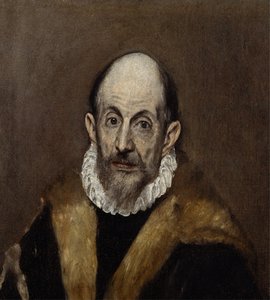
El Greco
1541 - 1614 , Grecja
Krótka nota
- Artistic Movement Or Style: Mannerism Baroque
- Artists Or Movements Influenced By This Artist: ['Expressionism Cubism']
- Artists Who Influenced This Artist: ['Titian Tintoretto']
- Date Of Birth: 1541 Cret
- Date Of Death: 1614 Toledo
- Full Name: Doménikos Theotokópoulos
- Nationality: Greek-Spanish
- Notable Artworks:
- Burial Count Orgaz
- View Toledo
- El Espolio
- St Sebastian
- Place Of Birth: Crete Greece
Powiązane artykuły

Dramatyczny Rozkwit Baroku: Dziedzictwo Sztuki Kontrreformacji i Mistrzowie Chiaroscuro
Odkryj dramatyczny świat baroku! Poznaj historię sztuki kontrreformacji, mistrzów chiaroscuro i weneckich arcydzieł. Reprodukcje najwyższej jakości na AllPaintingsStore.com.

Mannerism Unveiled: The Dramatic Evolution of Renaissance Art and the Visionary Legacy of El Greco
Explore the dramatic transition from High Renaissance harmony to Mannerist tension. Discover how masters like El Greco redefined art through distortion and spiritual intensity. An expert guide for art enthusiasts seeking deep historical context and museum-quality inspiration.

El Greco: Spirituality, Style & Innovation – A Renaissance Master's Legacy
Explore the captivating world of El Greco! Discover his unique style, spiritual intensity, and lasting impact on art history. Learn about this Renaissance master's life, iconic paintings & legacy.

Barokowe arcydzieła: 10 obrazów, które zdefiniowały epokę | AllPaintingsStore.com
Odkryj 10 arcydzieł baroku! Caravaggio, Rembrandt, Rubens i inni artyści, którzy zdefiniowali epokę. Poznaj historie, techniki i inspiracje tych niezwykłych obrazów. Reprodukcje najwyższej jakości na AllPaintingsStore.com – idealne do Twojego wnętrza!
El Greco: 25 Arcydzieł Genialnego Malarza – Kolekcja dla Koneserów Sztuki i Wystroju Domu
Odkryj 25 arcydzieł El Greco – mistrza renesansu i manieryzmu. Poznaj historie, techniki i duchowość w jego obrazach. Reprodukcje najwyższej jakości na AllPaintingsStore.com. Inspiracje do wnętrz i kolekcja sztuki online!


