


 Podgląd w skali
 Wyślij jako kartkę
 Udostępnij
 Szczegóły dzieła

 Pobierz
 Podobne obiekty
 RTG
RTG Pokaz slajdów
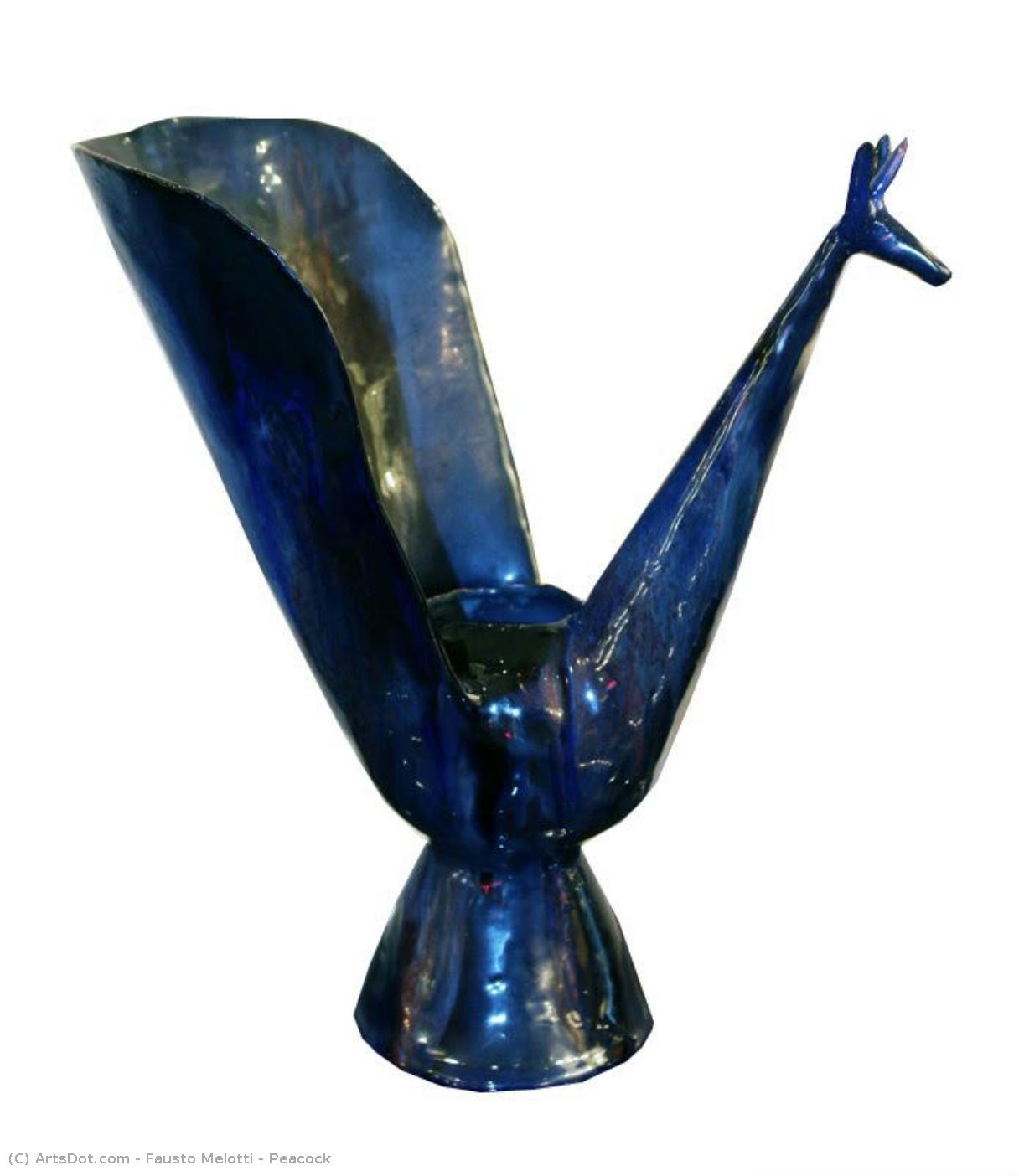
Peacock


 Rozwiń treść
Giclée / Wydruk artystyczny
Druk giclée lub płótno o jakości muzealnej, szybka realizacja i szeroki wybór opcji wykończenia. ( Zamów ręcznie malowaną reprodukcję Kup obraz wysokiej rozdzielczości)




































Wybierz spośród naszych standardowych rozmiarów, które zachowują oryginalne proporcje dzieła sztuki.

Możesz wprowadzić własne wymiary, aby dopasować dzieło do konkretnej ramy lub przestrzeni. Jeśli wybrany rozmiar nie będzie odpowiadał proporcjom oryginalnego obrazu, przytniecie dzieło lub rozszerzymy obraz za pomocą odbicia lustrzanego lub jednolitego wypełnienia krawędzi. Przed rozpoczęciem produkcji prześlemy cyfrową wizualizację do Twojej akceptacji.
Prosimy pamiętać, że podgląd na ekranie nie odzwierciedla faktycznego przycinania ani rozszerzania. Tylko wizualizacja dokładnie pokaże końcową kompozycję.
Mimo dostępności niestandardowych rozmiarów, zalecamy wybór wymiaru z listy zdefiniowanej, aby zachować oryginalne proporcje.
Dostawa na cały świat () w ciągu 2 tygodni zamiast standardowych 4/5 tygodni. (16 Sierpień)

Bezpłatna ekspresowa wysyłka na cały świat

Wysokiej jakości płótno lniane

Pełne ubezpieczenie przesyłki

Gwarancja zwrotu należności celnych i podatków importowych

Gwarancja wiernego odwzorowania kolorów

Polityka 60-dniowego zwrotu (tylko w przypadku wad)

Gwarancja 100% zwrotu kosztów

Zniżka przy zamówieniu wielu produktów
 Opcja ze szkłem jest dostępna wyłącznie w rozmiarach poniżej 110 cm

Peacock
Giclée / Wydruk artystyczny
Wymiary reprodukcji
-


Cena całkowita
$ 64
Opis kolekcjonerski
Podobne dzieła


O artyście
Fausto Melotti: Bridging Futurism and Ceramic Innovation
Fausto Melotti (1901–1986) stands as a pivotal figure in Italian art history, embodying the dynamism of Futurism alongside a profound dedication to ceramic artistry. Born in Rovereto, nestled amongst the Dolomites, his formative years were steeped in artistic fervor thanks to his family’s involvement with the avant-garde movement—a connection that would profoundly shape his creative trajectory. His sister Renata Melotti married architect Gino Pollini, fostering an environment rich in intellectual discourse and artistic experimentation. The First World War forced a relocation to Florence, where he honed his skills at the Istituto Tecnico di Firenze and pursued higher education at Pisa University, delving into physics and mathematics alongside his burgeoning artistic ambitions. Moving to Milan in 1924, Melotti joined the influential Gruppo 7 architectural collective—Pollini, Luigi Figini, Giuseppe Terragni, Carlo Enrico Rava, Guido Frette, and Ubaldo Castagnoli—a partnership that cemented his position at the forefront of Italian design and artistic innovation. This collaboration exposed him to groundbreaking ideas about form and function, influencing his sculptural explorations for decades to come. He attended Accademia di Brera alongside sculptor Adolfo Wildt, absorbing invaluable lessons in classical technique and humanist expression. His friendship with Kazimir Malevich—particularly Kandinsky’s influence—became a cornerstone of his artistic vision, propelling him toward abstraction while retaining an inherent sensitivity to color and texture. Melotti's artistic journey began amidst the fervor of Futurism, where he collaborated closely with Carlo Belli and Fotrunato Depero at Casa d'Arte Futurista. This association fueled his experimentation with dynamic forms and disruptive visual language—a stylistic hallmark that would persist throughout his career. He embraced monumental commissions for the E 42 Exposition in Rome, crafting impressive sculptures that showcased both technical prowess and conceptual daring. Despite wartime devastation impacting his studio, Melotti persevered, returning to Milan and continuing to push artistic boundaries with ceramic works exploring geometric abstraction and textural interplay. His prolific output spanned decades, culminating in a monumental retrospective at Forte Belvedere in Florence in 1981—a testament to his enduring legacy as one of Italy’s most celebrated sculptors. Melotti's ceramics, characterized by their iridescent surfaces and meticulously crafted forms, transcended mere decorative embellishment; they became vehicles for conveying complex ideas about space, materiality, and visual perception. He achieved international acclaim, securing numerous awards recognizing his contribution to modern sculpture and cementing his place as a visionary artist who bridged the gap between revolutionary artistic movements and timeless aesthetic principles. Melotti’s work continues to inspire artists today, demonstrating the enduring power of experimentation and the transformative potential of embracing diverse influences—a legacy firmly rooted in both Futurism's bold ambition and ceramic art's subtle beauty.
fausto melotti
1901 - 1986
Krótka nota
- Artistic Movement Or Style: Futurist & Post-war Art
- Artists Or Movements Influenced By This Artist: ['Futurism']
- Artists Who Influenced This Artist: ['Kandinsky']
- Date Of Birth: 1901
- Date Of Death: 1986
- Full Name: Fausto Melotti
- Nationality: Italian
- Notable Artworks:
- Untitled (624)
- I Sette savi
- Place Of Birth: Rovereto, Italy
Powiązane artykuły

10 Legendarnych Brązów Rzeźbiarskich, Które Zmieniły Sztukę | AllPaintingsStore
Odkryj 10 legendarnych rzeźb brązowych od Rodina, Degasa i innych mistrzów! Poznaj historię powstania arcydzieł sztuki i inspiruj się do dekoracji wnętrz. Reprodukcje najwyższej jakości na AllPaintingsStore.com – zobacz kolekcję!

Trwałe Formy: Ewolucja Technik i Tematów w Rzeźbie Przez Wieki – Od Antyku do Renesansu
Poznaj fascynującą historię rzeźby od antyku do renesansu! Odkryj techniki, wybitnych artystów i wpływ na współczesną sztukę. Ekspercka analiza dla kolekcjonerów i miłośników.

Trwała Forma: Rzeźba w Historii – Technika i Rezonans Emocjonalny
Poznaj historię rzeźby od antyku do współczesności! Ekspercka analiza technik, stylów i emocjonalnego wpływu arcydzieł. Inspiracje dla kolekcjonerów i miłośników sztuki.

10 Legendarnych Brązów, Które Zrewolucjonizowały Sztukę | AllPaintingsStore
Odkryj 10 legendarnych rzeźb brązowych, które zrewolucjonizowały sztukę! Poznaj historie Rodina, Donatello i innych mistrzów. Inspiracje wnętrzarskie & reprodukcje najwyższej jakości na AllPaintingsStore.com.

Top 10 arcydzieł ekspresjonizmu abstrakcyjnego – inspiracje dla Twojego wnętrza | AllPaintingsStore.com
Odkryj 10 arcydzieł ekspresjonizmu abstrakcyjnego – Pollock, Rothko, de Kooning i inni. Poznaj historie artystów, techniki i inspiracje dla Twojego wnętrza. Reprodukcje najwyższej jakości na AllPaintingsStore.com!



