


 Podgląd w skali 1:1
 Wyślij jako kartkę
 Udostępnij
 Szczegóły dzieła
 Przewodnik

 Pobierz obraz
 Podobne obiekty
 RTG
RTG Pokaz slajdów
 Statystyki
Still Life


 Rozwiń treść
Ręcznie malowana reprodukcja olejowa
Ręcznie malowany obraz olejny na płótnie, wykonany na zamówienie przez naszych artystów w wybranym przez Ciebie wymiarze i oprawie. ( Przełącz na wydania drukowane Przejdź do wersji cyfrowej)




P118B zł10

P118H zł10

P118W zł10

P438Z zł10

P508JH zł12

P508YH zł12

P805H zł10

P805Z zł10

P919BZ zł10

P919G zł10

P919XJ zł10

P959ZH zł10

P968JZ zł12

W106C zł8

W218G zł10

W218JH zł8

W218Y zł10

W307PJ zł10

W316G zł10

W316PJ zł8

W316Y zł10

W398PJ zł8

W4111J zł10

W500HY zł15

W500JH zł15

W692G zł12

W849H zł8

W940BG zł15

W953PJ zł8




Wybierz spośród naszych standardowych rozmiarów, które zachowują oryginalne proporcje dzieła sztuki.

Wpisz wymaganą szerokość i wysokość, aby obraz pasował do Twojej ramy lub ściany. Ponieważ jest to dzieło malowane ręcznie, w przypadku rozmiaru o innych proporcjach artysta może domalować nieco więcej wokół obrazu lub przyciąć jego fragmenty — wybór należy do Ciebie. Przed rozpoczęciem pracy prześlemy Ci cyfrową wizualizację do zatwierdzenia. Obraz widoczny na tej stronie nie przedstawia rzeczywistego efektu — jedynie wizualizacja oddaje realny rezultat.
Po złożeniu zamówienia zespół AllPaintingsStore.com skontaktuje się z klientem drogą mailową w celu uzyskania instrukcji i prześle wizualizację projektu
Dostawa na całym świecie () w ciągu 3–4 tygodni zamiast standardowych 5 tygodni. (27 Październik). Bez kompromisów w kwestii jakości.

Bezpłatna ekspresowa wysyłka na cały świat

Wysokiej jakości płótno lniane

Pełne ubezpieczenie przesyłki

Gwarancja zwrotu należności celnych i podatków importowych

Gwarancja wiernego odwzorowania kolorów

100-dniowa polityka zwrotów (tylko w przypadku wad)

Gwarancja 100% zwrotu pieniędzy

Zniżka przy zakupie wielu sztuk
 Opcja ze szkłem jest dostępna wyłącznie w rozmiarach poniżej 110 cm

Still Life
Technika reprodukcji
Wymiary reprodukcji
-


Cena całkowita
zł 992
A Moment Frozen in Time: Ferdinand Guillaimin’s “Still Life”
Ferdinand Guillaimin's "Still Life," painted in 1872, isn’t merely a depiction of objects arranged on a table; it’s a carefully constructed tableau brimming with quiet observation and subtle symbolism. This work, rendered in the heart of the Impressionist movement, captures a fleeting moment of domestic tranquility – a scene both familiar and imbued with an understated elegance. The painting immediately draws the eye to the central arrangement: a vase overflowing with vibrant red and yellow flowers, their petals seemingly caught mid-bloom, radiating warmth against the cooler tones that dominate the rest of the composition. Beside them rests a worn book, its pages hinting at untold stories and intellectual pursuits, while a simple bowl holds what appears to be fruit – perhaps apples or pears – adding another layer of earthly abundance.
Guillaimin’s technique is distinctly Impressionistic, prioritizing capturing the *impression* of light and color rather than precise detail. Loose brushstrokes dance across the canvas, creating an atmospheric haze that softens the edges of each object. He masterfully employs broken color – applying small dabs of paint side-by-side to build up hues and create a shimmering effect, particularly noticeable in the reflections on the table’s surface. The dark background serves not as mere backdrop but as a crucial element, intensifying the luminosity of the floral arrangement and lending the scene a sense of intimacy and depth. The artist's focus is less on photographic realism and more on conveying the *feeling* of being present within this quiet space.
The Context of Parisian Impressionism
To fully appreciate “Still Life,” it’s essential to understand the artistic climate in which Guillaimin was working. The 1870s were a period of profound change and experimentation for French art, marked by the rise of Impressionism. Artists like Monet, Renoir, and Pissarro sought to break free from the rigid conventions of academic painting, embracing plein air (outdoor) painting and capturing the ephemeral qualities of light and atmosphere. Guillaimin’s work reflects this spirit of innovation, moving away from traditional subject matter and exploring new ways of representing the world around him.
Guillaimin's connection to Pissarro is particularly noteworthy. The artist spent a significant period painting alongside Pissarro in Pontoise, a suburb of Paris, where he found inspiration in the everyday life of the region. This proximity fostered a collaborative environment, allowing Guillaimin to refine his style and develop his unique approach to capturing light and color. The Impressionists were not simply interested in depicting what they *saw*; they were driven by a desire to express their subjective experience of the world.
Symbolism and the Language of Objects
Beyond its aesthetic qualities, “Still Life” is rich with symbolic meaning. The flowers themselves represent beauty, fragility, and the fleeting nature of life – themes frequently explored in Impressionist art. The book suggests knowledge, contemplation, and a connection to the past. The bowl of fruit symbolizes abundance, nourishment, and the pleasures of earthly existence. Even the dark background can be interpreted as representing mortality or the unknown.
Guillaimin’s use of these objects is deliberate and carefully considered, inviting the viewer to engage in a process of interpretation. He doesn't offer explicit explanations; instead, he presents a series of interconnected symbols that resonate with universal themes of beauty, life, and death. The arrangement feels deliberately balanced, creating a harmonious composition that evokes a sense of peace and serenity.
A Legacy of Delicate Beauty
Ferdinand Guillaimin’s “Still Life” stands as a testament to the power of observation and the enduring appeal of simple subjects rendered with exquisite sensitivity. It's a painting that rewards close attention, revealing layers of meaning and emotional depth with each viewing. Reproductions capture much of the original atmosphere, but nothing quite replicates the subtle nuances of light and color that define Guillaimin’s masterful technique.
Today, this work is celebrated for its evocative beauty and its contribution to the development of Impressionism. It remains a poignant reminder of the quiet moments of everyday life – a timeless meditation on beauty, mortality, and the enduring power of art.
Pytania i odpowiedzi
Czy prawa autorskie do „Still Life” – Ferdyńand Guillaumin pozwalają na tworzenie reprodukcji?
Dzieło „Still Life” – Ferdyńand Guillaumin, znajdujące się w zbiorach Muzeum d’Orsay, znajduje się w należy do domeny publicznej – autorskie prawa majątkowe wygasły. Status ten określa, czy możliwe jest tworzenie reprodukcji obrazu.
Jaki nastrój emocjonalny budzi „Still Life” – Ferdyńand Guillaumin?
„Still Life” budzi Reflective emocje. Ton emocjonalny opisuje wrażenie, jakie wywołuje to dzieło.
Gdzie można obecnie zobaczyć dzieło „Still Life” – Ferdyńand Guillaumin?
Oryginał dzieła „Still Life” – Ferdyńand Guillaumin znajduje się w Muzeum d’Orsay, Paris, France. Reprodukcja pozwala na eksponowanie pracy w domu.
Podobne dzieła


Biografia artysty
early life and career
ferdinand guillaumin, a french impressionist painter and lithographer, was born on february 16, 1841. his artistic journey began in the mid-19th century, a time when impressionism was gaining momentum in france. Armand Guillaumin’s formative years were marked by a dedication to mastering traditional techniques alongside an emerging fascination with capturing fleeting moments of beauty—a duality that would define his distinctive style. He honed his skills through diligent study and experimentation, preparing himself for the revolutionary artistic landscape unfolding around him.contribution to impressionism
Guillaumin’s contribution to impressionism was profound; he wasn't merely a participant but an active architect of its aesthetic ideals. Like many fellow artists of his era, he embraced the movement’s core principle: prioritizing sensory experience over meticulous detail. Exhibitions became crucial platforms for showcasing his vision—a vision characterized by luminous color palettes and loose brushstrokes that sought to convey not just what was seen but how it felt.- His canvases frequently depicted serene landscapes bathed in soft, diffused light – a stylistic choice perfectly aligned with impressionism’s preoccupation with capturing the ephemeral qualities of nature.
- Guillaumin's masterful manipulation of color—particularly his ability to blend hues seamlessly—added to the movement’s hallmark spontaneity and immediacy.
notable works and associations
Guillaumin’s artistic collaborations extended beyond mere exhibitions; he forged enduring friendships with luminaries like claude monet, whose influence permeated his oeuvre. Monet's unwavering belief in capturing light and atmosphere served as a guiding force for Guillaumin, fostering a shared pursuit of artistic innovation.Furthermore, Guillaumin drew inspiration from symbolism—a movement that explored the realm of dreams and subconsciousness—evident in his bold color choices and emotionally resonant subjects. This stylistic blend elevated his paintings beyond mere visual representations, imbuing them with layers of psychological depth.
Mount Holyoke College Art Museum stands as a testament to Guillaumin’s legacy—housing an impressive collection of his artworks and ensuring that his artistic vision continues to inspire generations.
style and influences
Guillaumin's distinctive style can be characterized by its ethereal beauty and subtle tonal harmonies. He skillfully employed glazing techniques, layering translucent washes of color over textured surfaces to achieve remarkable luminosity and depth—a technique championed by artists like paul cézanne and vincent van gogh.His landscapes are imbued with a palpable sense of tranquility, reflecting the profound impact of nature on his artistic sensibility. Guillaumin’s meticulous observation of light and shadow—combined with his expressive brushwork—established him as one of impressionism's foremost practitioners.
historical significance
Ferdinand Guillaumin’s work solidified impressionism’s position as a pivotal movement in 19th-century art history. By prioritizing subjective perception and embracing the transformative power of color, he challenged academic conventions and ushered in an era of artistic experimentation.His enduring influence can be discerned in subsequent generations of painters who sought to emulate his masterful technique and capture the essence of fleeting moments—a testament to Guillaumin’s indelible mark on the trajectory of art. Explore more of Guillaumin's works and the impressionist movement on AllPaintingsStore: Ferdinand Guillaumin | 3 artworks impressionism art movement

Ferdyńand Guillaumin
1841 - 1927 , Francja
Krótka nota
- Artistic Movement Or Style: Impressionizm
- Artists Who Influenced This Artist:
- Vincent van Gogh
- Claude Monet
- Paul Cézanne
- Date Of Birth: February 16, 1841
- Date Of Death: June 26, 1927
- Full Name: Jean Baptiste Armand Guillaumin
- Nationality: Francuski
- Notable Artworks:
- Garden in Janville w czerwcu
- Scena rzeczna
- Widok na Puy de Dôme
- Place Of Birth: Paris, France
Powiązane artykuły

Blossoms of Time: A Historical Journey Through Flower Painting
Explore the captivating history of flower painting! Discover Dutch masters, symbolic meanings, & botanical art. Expert insights & high-quality reproductions at AllPaintingsStore.

Kwiatowy Symbolizm w Malarstwie Zachodnim: Historyczna Podróż przez Znaczenia i Interpretacje
Odkryj fascynującą historię kwiatowego symbolizmu w malarstwie zachodnim! Poznaj znaczenie roślinnych motywów od starożytności po współczesność. Ekspercka analiza alegorii i interpretacji obrazów.

Impressionizm w Obrazach: 10 Arcydzieł Pełnych Światła i Koloru | AllPaintingsStore
Odkryj 10 arcydzieł impresjonizmu! Poznaj historie Claude Moneta, Degasa i Van Gogha. Reprodukcje obrazów najwyższej jakości – pejzaże pełne światła i koloru do Twojego wnętrza. AllPaintingsStore.

Silent Narratives: Exploring the Enduring Appeal of Still Life Painting Across Centuries
Explore the rich history of still life painting with AllPaintingsStore. Discover Dutch Masters, decode vanitas symbolism & learn about collecting timeless art. Expert insights and museum-quality reproductions.
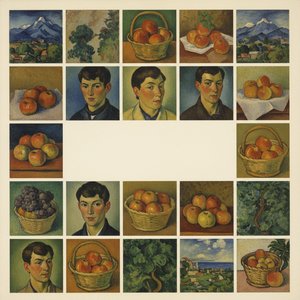
Paul Cézanne: 25 Arcydzieł, które Zrewolucjonizowały Świat Sztuki | AllPaintingsStore
Odkryj 25 arcydzieł Paula Cézanne'a – od impresjonizmu po postimpresjonizm. Poznaj historie, techniki i inspiracje malarza, który zrewolucjonizował sztukę. Reprodukcje obrazów najwyższej jakości na AllPaintingsStore.com!


