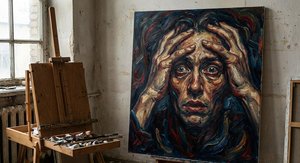
Obraz olejny na płótnie.

§ 1Catalogue data


§ 2Abstract
Opis obiektu
Portret Alberta Widmera autorstwa Eugena Delacroix'a - ikona romantyzmu! Zanurz się w głębi kolorów i ekspresji tego arcydzieła oraz poznaj wpływ twórczości Rubensa i innych mistrzów na sztukę.
 Rozwiń treść
Biografia artysty
Odkryj świat Eugène Delacroix, wiodącego francuskiego malarza romantyzmu! Znane obrazy jak „Wolność prowadząca lud”, dramatyzm, emocje i bogata kolorystyka. Ikona sztuki XIX wieku.
§ 3Commentary
Eugène Delacroix’s “Abel Widmer”: A Portrait of Intensity
“Abel Widmer,” painted circa 1824 by Eugène Delacroix, transcends the conventional boundaries of portraiture. It’s a meticulously crafted tableau brimming with youthful fervor and burgeoning intellect—a glimpse into the mind of Abel Widmer himself, a young man poised on the precipice of adulthood, and a testament to Delacroix's unparalleled mastery of color, composition, and dramatic lighting – hallmarks that firmly established him as a pivotal figure in the French Romantic movement.
Delacroix’s artistic journey was profoundly shaped by the preceding generations. He held Rubens in immense esteem, absorbing his dynamic brushwork and vibrant palette as he sought to emulate them. Simultaneously, he drew inspiration from Venetian Renaissance painters, recognizing its emphasis on color and movement—a deliberate departure from the prevailing Neoclassical restraint that dominated the era. This dual influence is strikingly evident in “Abel Widmer,” where the rich, saturated hues of the background—deep blues and greens evocative of both mystery and contemplation—are juxtaposed with the warmer tones of Widmer’s skin, creating a visual tension mirroring the subject's internal state.
The Subject: A Young Man Defined by Resolve
Abel Widmer wasn’t merely depicted as a carefree youth; Delacroix captured him imbued with a palpable seriousness and determination. His stern gaze—direct and unwavering—immediately commands attention, etching itself onto the viewer's consciousness. It’s a face bearing the marks of thoughtful contemplation, hinting at an inquisitive mind grappling with profound questions and perhaps harboring a subtle melancholy. The carefully chosen attire—a crisp white shirt and tie—speaks volumes about his status and aspirations, suggesting a young man striving for success within the established order while simultaneously resisting its rigid constraints.
Delacroix’s Technique: Embracing Romantic Expression
Delacroix's artistic technique embodies the spirit of Romanticism. Loose, expressive brushstrokes dominate the canvas—a conscious rejection of Neoclassical precision—creating a sense of movement and energy that pulsates throughout the painting. Notice how Delacroix eschews meticulous detail rendering every nuance; instead, he relies on suggestive strokes and strategically placed highlights to conjure an impression of reality rather than a photographic likeness. This approach aligns perfectly with Romanticism’s core belief in emotion and subjective experience—a desire to convey feeling above all else.
Historical Context & Influences: Rubens and Venice
Delacroix's artistic sensibilities were undeniably shaped by the masters who preceded him. Like many artists of his time, he venerated Rubens’s monumental canvases and celebrated his masterful use of color and dynamic brushwork. Furthermore, Delacroix absorbed the Venetian Renaissance’s aesthetic principles—particularly its luminous palette and fluid compositions—recognizing their liberating effect compared to the rigid formalism of Neoclassical art. These influences are subtly interwoven into “Abel Widmer,” contributing to its overall dramatic intensity.
A Legacy of Color & Passion: Delacroix's Enduring Vision
"Abel Widmer" stands as a cornerstone of Delacroix’s oeuvre, showcasing his artistic evolution and cementing his position as one of the foremost figures in French Romanticism. Reproductions offer an exceptional opportunity to appreciate the painting’s intricate details and vibrant colors—bringing this captivating portrait into any home or collection. Consider exploring other works by Delacroix – “Christ on the Cross” and “Liberty Leading the People” – to immerse yourself fully in his world of color, passion, and unforgettable artistic vision.
Pytania i odpowiedzi
W jaki sposób styl dzieła "Abel Widmer" odnosi się do epoki jego twórcy?
„Abel Widmer” – Eugène Delacroix reprezentuje nurt Romanticism, powstały w epoce – Wiek XIX swojego twórcy.
Jaki nastrój i emocje wyraża „Abel Widmer” – Eugène Delacroix?
W "Abel Widmer" nastrojowi Romantyczny towarzyszy emocja Dramatyczny.
Kto stworzył "Abel Widmer" i w jakim stylu jest to dzieło?
"Abel Widmer" powstało autorstwa Eugène Delacroix w stylu Romanticism. Artysta oraz nurt definiują tradycję tego dzieła.


 Przełącz na wydania drukowane


 W przypadku dzieł sztuki lub reprodukcji, których którykolwiek z boków przekracza 105 cm (około 41 cali), rama zostanie wysłana w formie zestawu do samodzielnego montażu. Metoda ta zapewnia bezpieczną dostawę i zapobiega uszkodzeniom podczas transportu.