

Cubist Modernity · 1940
Composition (Fernand Léger, 1940)
Composition to dzieło Fernand Léger (1881–1955). Dzieło pochodzi z 1940. Należy do nurtu Cubist Modernity. Wykonano w technice Acrylic On Canvas.
- 1940
- Acrylic On Canvas

 Podgląd w skali 1:1

 Wydruk
 Wyślij jako kartkę
 Udostępnij
 Karta informacyjna


 Pobierz obraz
 Podobne obiekty
 RTG
 Pokaz slajdów
 Pytania i odpowiedzi

 Statystyki
Composition: kluczowe informacje
- Tytuł
- Composition
- Artysta
- Fernand Léger (1881–1955)
- Miejsce urodzenia artysty
- Argentan, Francja
- Data powstania
- 1940
- Technika wykonania
- Acrylic On Canvas
- Ruch
- Cubist Modernity
- Epoka
- Modern
- Temat
- fish painting, marine life, color field, geometric forms, léger style, abstract fish
Co przedstawia Composition?
A Symphony of Form and Color: Exploring Fernand Léger’s “Composition”
Fernand Léger's "Composition," painted in 1940, offers a captivating glimpse into the artist’s revolutionary approach to depicting the modern world. This vibrant canvas, dominated by the bold interplay of red, yellow, and blue, immediately draws the viewer into a dynamic aquatic scene teeming with life – a far cry from the traditional landscapes favored by many of his contemporaries. Léger, born Joseph Fernand Henri Léger in 1881 in Argentan, Normandy, was a pivotal figure in the transition between early modernism and later abstract movements. His work reflects a profound engagement with the industrial age, translating its geometric forms and mechanical rhythms into a uniquely expressive visual language.
The Machine Age Made Beautiful
Created during a period of rapid technological advancement, “Composition” embodies Léger’s fascination with machines and their impact on human experience. He wasn't simply painting *of* machines; he was attempting to capture their essence – their power, their precision, and their inherent dynamism. The fish themselves become stylized representations of these mechanical forms, rendered in bold, angular shapes and vibrant colors that evoke the energy of a factory floor or the movement of a locomotive. This approach aligns with Léger’s broader artistic philosophy, which sought to integrate modernity into art, rejecting purely abstract notions while retaining a strong connection to observable reality.
Technique and Color – A Bold Statement
Léger's technique is characterized by a deliberate flatness of picture plane and a rejection of traditional perspective. He employed a thick impasto application of paint, building up layers of color that create a tactile surface and enhance the sense of movement within the composition. The use of primary colors – red, yellow, and blue – is particularly striking, reflecting Léger’s desire to convey raw energy and emotion. The varying sizes and hues of the fish contribute to a visual richness, creating depth through scale and color gradation rather than relying on conventional spatial illusion. This technique was revolutionary for its time, pushing the boundaries of representational painting.
Symbolism and Emotional Resonance
Beyond its formal qualities, “Composition” carries a subtle symbolic weight. The aquatic setting can be interpreted as representing both the natural world – a realm Léger sought to reconcile with industrial progress – and the subconscious depths of human experience. The multitude of fish suggests an interconnectedness, mirroring Léger’s belief in the unity of form and function. The painting's emotional impact is one of vibrant energy and optimistic dynamism; it’s a celebration of modern life, albeit viewed through the lens of a unique artistic vision.
A Legacy of Innovation
“Composition,” painted in 1940, stands as a testament to Fernand Léger's enduring legacy as one of the most innovative and influential artists of the 20th century. Its bold colors, dynamic forms, and engagement with the machine age continue to resonate with viewers today. A hand-painted reproduction offers an unparalleled opportunity to experience the full impact of this remarkable work, bringing its energy and vision into any space.
Composition: pliki graficzne
Przygotowane na podstawie obrazu o wyższej rozdzielczości z naszej bazy danych, a nie z wersji internetowej: minimum 300 DPI. Kolory sprawdzone pod kątem zgodności z oryginałem, plik poddany retuszy przez cyfrowego eksperta.
Kup obraz w wysokiej rozdzielczościFernand Léger, Composition (1940).
Fernand Léger (1881–1955), Composition, 1940, acrylic on canvas. Domena publiczna Źródło obrazu: AllPaintingsStore.com.
Pytania o Composition
W którym roku powstało dzieło "Composition"?
„Composition” – Fernand Léger powstało w 1940.
W jakiej technice wykonano „Composition” – Fernand Léger?
Fernand Léger wykorzystał/a technikę Acrylic On Canvas w pracy „Composition”. Technika ta definiuje materię oryginalnego dzieła.
Co przedstawia "Composition"?
Tematyka obecna w „Composition” – Fernand Léger obejmuje fish painting, marine life, color field, geometric forms, léger style, abstract fish, modern art. Razem stanowią one podsumowanie tematyki dzieła.
Czy obraz „Composition” – Fernand Léger można swobodnie reprodukować?
Status praw autorskich dla „Composition” – Fernand Léger: dzieło znajduje się w należy do domeny publicznej – autorskie prawa majątkowe wygasły. Określa to, czy reprodukcje obrazu mogą być sporządzane swobodnie.
Któremu artyście przypisuje się "Composition"?
Autorstwo dzieła "Composition" przypisuje się Fernand Léger.
Do jakiego nurtu artystycznego należy „Composition” – Fernand Léger?
Nurt związany z „Composition” – Fernand Léger to Cubist Modernity. Ta klasyfikacja sytuuje dzieło wśród pokrewnych artystów i dzieł sztuki.
Do którego okresu twórczości Fernand Léger należy dzieło „Composition”?
„Composition” pochodzi z okresu Cubist Maturity w twórczości Fernand Léger. Klasyfikacja ta wiąże dzieło z rozwojem artysty.
W jakim wieku Fernand Léger stworzył(a) "Composition"?
Fernand Léger miał 59 lat w momencie powstania „Composition” w 1940. Wiek ten obliczono na podstawie roku urodzenia artysty, 1881.
Czy dzieło „Composition” autorstwa Fernand Léger znajduje się w domenie publicznej i dlaczego?
Dzieło "Composition" autorstwa Fernand Léger znajduje się w należy do domeny publicznej – autorskie prawa majątkowe wygasły. Okres ochrony praw autorskich liczony jest od daty śmierci artysty, a Fernand Léger zmarł(a) w 1955.
O Fernand Léger
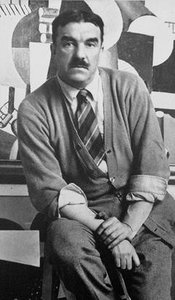
1881–1955, Francja
Fernand Léger
Życie Fernanda Légera Historia Fernanda Légera rozpoczyna się w wiosce Argentan, położonej w departamencie Orne w Dolnej Normandii. Na świat przyszedł 4 lutego 1881 roku jako jedyny syn. Jego wczesne lata zostały ukształtowane przez spokój francuskiej prowincji oraz obecność matki, Marie-Adèle Daunou. Jego ojciec, człowiek żyjący z handlu bydłem, odszedł, gdy Fernand był jeszcze małym chłopcem, pozostawiając dziecko pod opieką matki, w domu naznaczonym jej pobożnością i pewną skromnością.
Każde dzieło Fernand Léger wraz z wymiarami i cenami → O artyście Słynne dzieła Fernand Léger
Inne dzieła artysty Fernand Léger
 Miasto1919
 Mechanik1920
 Trzy kobiety1921
 Nudy w Lesie1910
Artykuły o Composition
 Steel & Soul: 10 Powerful Artworks That Capture the Industrial VibeAndy Warhol’s 1982 Crosses uses thirteen varying shapes to mirror mass production. Compare this to the rhythmic pulse of Fernand Léger’s Th…
 10 Iconic Masterpieces That Defined Geometric AbstractionAmidst the radical global transformations of the early 20th century, artists moved beyond representation to find the mathematical heartbeat…
 Mastering the Machine Age: The Top 25 Fernand Léger Artworks1919 saw the birth of The City, where Léger replaced organic textures with the rhythmic, mechanical symphony of the industrial machine age.…