

1950. Graphite Pencil.

§ 1Catalogue data


§ 2Abstract
Opis obiektu
Monochromatic graphite tones create subtle shading variations that define form.
 Rozwiń treść
Biografia artysty
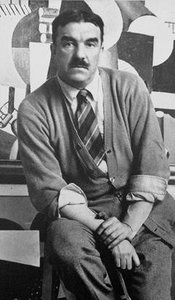
Fernand Léger (1881-1955) – francuski malarz i rzeźbiarz, pionier Kubizmu i Tubismu. Jego obrazy celebrują nowoczesność, maszynę i ludzką formę. Kluczowy dla sztuki XX wieku.
§ 3Commentary
A Divine Encounter in Graphite: The Soul of Léger’s Cyclists
In the quiet, monochromatic realm of Fernand Léger’s 1950 drawing, "Cyclists," we encounter a profound departure from the artist's typical celebration of industrial machinery. While his name is often synonymous with the clatter of gears and the vibrant pulse of the machine age, this particular work invites us into a much more intimate, spiritual sanctuary. At first glance, the title might suggest the kinetic energy of movement, yet the image reveals something far more contemplative: a detailed, soulful portrait of the Hindu deity Ganesha. This unexpected intersection of Western modernism and Eastern spirituality creates a mesmerizing tension, transforming a simple pencil study into a profound meditation on wisdom and the removal of life's obstacles.
The artwork functions as a masterclass in tonal depth, achieved through the meticulous application of graphite. Léger eschews the bold, primary colors of his famous "tubism" style in favor of a sophisticated grayscale palette that relies entirely on the interplay of light and shadow. Through expert hatching and cross-hatching, the artist sculpts the elephantine features of Ganesha, giving weight and volume to the deity's iconic trunk and large, attentive ears. The texture of the skin feels palpable, transitioning seamlessly from deep, velvety blacks in the recessed shadows to luminous, pale grays where light strikes the brow. This technical precision ensures that every decorative element of the headdress and every intricate piece of jewelry is rendered with a clarity that commands the viewer's undivided attention.
Symbolism and the Mirror of Truth
Beyond its technical brilliance, "Cyclists" is steeped in a rich layer of symbolic meaning that resonates deeply with anyone seeking spiritual or intellectual depth in their surroundings. The inclusion of a mirror, held aloft by one of Ganesha's many arms, serves as a powerful metaphor for self-reflection and the relentless pursuit of truth. In an era defined by rapid technological advancement and societal shifts, Léger uses this element to suggest that progress is hollow without the ability to look inward. The mirror does not merely reflect the physical form of the deity; it invites the observer to contemplate their own journey through the complexities of the modern world.
For the discerning collector or interior designer, this piece offers a unique emotional resonance. It possesses a quiet strength that can anchor a room, providing a focal point that is both intellectually stimulating and aesthetically soothing. The organic shapes of Ganesha’s form provide a soft contrast to the rigid, geometric structures often found in contemporary decor, making it an ideal centerpiece for spaces designed for reflection, study, or quiet luxury. To possess a reproduction of this work is to bring a piece of history into one's home—a piece that celebrates the ability to find the sacred within the structural, and the eternal within the ephemeral.
Pytania i odpowiedzi
Czy obraz „Cyclists” – Fernand Léger można swobodnie reprodukować?
Status praw autorskich dla „Cyclists” – Fernand Léger: dzieło znajduje się w należy do domeny publicznej – autorskie prawa majątkowe wygasły. Określa to, czy reprodukcje obrazu mogą być sporządzane swobodnie.
Jaką harmonię kolorów prezentuje „Cyclists” – Fernand Léger?
Kolory dzieła „Cyclists” – Fernand Léger wykazują Unified Palette harmonię. Harmonia ta opisuje wzajemne relacje między barwami.
Czy dostępna jest prezentacja w formie pokazu slajdów dla „Cyclists” – Fernand Léger?
Dostępna jest prezentacja zdjęć: strona Prezentacja slajdów dzieła „Cyclists” – Fernand Léger.


 Przełącz na wydania drukowane


 W przypadku dzieł sztuki lub reprodukcji, których którykolwiek z boków przekracza 105 cm (około 41 cali), rama zostanie wysłana w formie zestawu do samodzielnego montażu. Metoda ta zapewnia bezpieczną dostawę i zapobiega uszkodzeniom podczas transportu.


