Życie Fernanda Légera
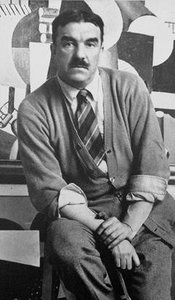
Historia Fernanda Légera rozpoczyna się w wiosce Argentan, położonej w departamencie Orne w Dolnej Normandii. Na świat przyszedł 4 lutego 1881 roku jako jedyny syn. Jego wczesne lata zostały ukształtowane przez spokój francuskiej prowincji oraz obecność matki, Marie-Adèle Daunou. Jego ojciec, człowiek żyjący z handlu bydłem, odszedł, gdy Fernand był jeszcze małym chłopcem, pozostawiając dziecko pod opieką matki, w domu naznaczonym jej pobożnością i pewną skromnością.
To wychowanie w wiejskich krajobrazach Normandii stanowiło silny kontrast dla życia, jakie ostatecznie prowadził w tętniących życiem centrach francuskiej kultury. Choć jego korzenie były nierozerwalnie związane z ziemią i fizycznością rolniczego trudu, jego duch nieustannie zwracał się ku złożonościom nowoczesnej epoki. Z czasem jego artystyczny zasięg wykroczył daleko poza granice Argentan, czyniąc go twórcą wielu dyscyplin. Nie ograniczał się jedynie do płótna, lecz poszukiwał sposobów na wyrażenie swojej wizji poprzez rzeźbę oraz ruchome obrazy filmu.
Jego życie było nieustannym ruchem między organicznymi teksturami młodości a ustrukturyzowanymi, mechanicznymi rytmami miast. Ta dualność definiowała jego egzystencję, gdy nawigował przez gwałtowne zmiany nadchodzącego stulecia. Jego droga nigdy nie była prosta; naznaczona była napięciem między tradycyjnym światem dzieciństwa a szybkim, industrialnym pulsem przyszłości, którą ostatecznie pomógł zdefiniować poprzez swoją sztukę.
Wczesne lata, rodzina i kształcenie
Korzenie jego wizji zostały zapuszczone w wiejskich krajobrazach Argentan, w departamencie Orne w Dolnej Normandii we Francji. Urodzony w świecie rolnictwa, w którym dominowała hodowla bydła, spędził wczesne lata ukształtowane przez fizyczność ziemi i miarowy rytm życia agrarnego. To zakorzenienie w namacalnym, pracowitym świecie miało pozostać cichym towarzyszem pod powierzchnią jego późniejszych, bardziej złożonych poszukiwań artystycznych. Jako jedyny syn, wychowywany przez pobożną i skromną matkę, został początkowo skierowany na tory zdyscyplinowanej nauki architektury. W latach 1897–1899 oddawał się temu technicznemu rzemiosłu, poznając logikę przestrzeni oraz konieczność precyzyjnego kreślenia planów.
Do 1900 roku przyciągająca siła miasta stała się zbyt silna, by ją ignorować, co skłoniło go do przeprowadzki do Paryża. Utrzymywał się, pracując jako kreślarz architektoniczny – zawód wymagający niezwykle uważnego oka na linię i proporcję. Choć formalne wykształcenie architektoniczne dało mu solidne fundamenty w rozumieniu struktury, jego serce zaczęło coraz mocniej skłaniać się ku płótnu. Próbował dostać się do prestiżowej École des Beaux-Arts, jednak instytucja ta nie przyznała mu oficjalnego statusu studenta. Nie zniechęcony, uczęszczał jednak na zajęcia jako słuchacz, chłonąc lekcje mistrzów i poruszając się na obrzeżach akademickiego establishmentu. Ten okres studiów, choć czasem opisywany jako czas poszukiwań, był kluczowy dla doskonalenia warsztatu technicznego, którego Fernand Léger użyje później, by rozłożyć świat na części i zbudować go na nowo według własnej wizji.
Wpływ Cézanne'a i Kubizmu
Głęboka przemiana dokonała się w 1907 roku, kiedy artysta zetknął się z retrospektywą dzieł Cézanne'a podczas Salonu Jesiennego. To spotkanie zadziałało jak katalizator, odciągając go od miękkich impresji młodości w stronę bardziej strukturalnego sposobu postrzegania rzeczywistości. Fernand Léger zaczął patrzeć poza powierzchowność rzeczy, poszukując ukrytej geometrii, która definiuje świat. Do 1909 roku jego obecność w paryskich kręgach twórczych stale rosła, gdy nawiązywał znajomości z takimi postaciami jak Alexander Archipenko, Jacques Lipchitz, Marc Chagall oraz Robert Delaunay. Te spotkania nie miały charakteru wyłącznie towarzyskiego; były to zderzenia nowych idei, które pomogły ukształtować kierunek jego rozwijającej się wizji artystycznej.
Wraz z upływem lat artysta zaczął poruszać się w orbitach Grupy Puteaux, kręgu artystów znanego również jako Section d'Or. Wspólnie z Jean Metzingerem i Henri Le Fauconnierem zgłębiał matematyczne i strukturalne możliwości tego nowego języka form. Nie zadowalał się jednak prostym podążaniem ścieżkami wytyczonymi przez innych; zamiast tego dążył do odnalezienia własnej drogi pośród pofragmentowanych płaszczyzn i nakładających się na siebie form, które definiowały tę epokę. Ten okres intensywnych eksperymentów doprowadził do jego pierwszej wielkiej wystawy na Salon des Indépendants w 1911 roku, gdzie zaprezentował Nudes in the Forest.
- Nudes in the Forest (1911)
Wojna i okres mechaniczny
Chaos Wielkiej Wojny wyrwał artystę z paryskich pracowni, rzucając go wprost w brutalną rzeczywistość frontu. W latach 1914–1917 służył w armii francuskiej, spędzając dwa wycieńczające lata w regionie Argonne. Konflikt ten nie był jedynie tłem dla jego życia, lecz potężną, transformującą siłą, która nieodwracalnie zmieniła jego postrzeganie formy. W 1916 roku atak gazem musztardowym niemal odebrał mu życie, zmuszając do powrotu do zdrowia w czasie, gdy otaczający go świat był nieustannie przekształcany przez niszczycielską potęgę przemysłowej destrukcji. Nawet podczas krótkiego urlopu w tym samym roku poczuł nieodpartą potrzebę tworzenia, malując Soldier with a Pipe. Dzieło to uchwyciło istotę nowej rzeczywistości, w której ludzka sylwetka zaczęła przybierać cechy maszyn dominujących na polu bitwy.
Do 1917 roku w jego twórczej duszy zaszła wyraźna przemiana, wyznaczająca początek okresu, który przeszedł do historii jako jego etap mechaniczny. Odnalazł on swoistą, rytmiczną piękność w narzędziach i technologii nowoczesnej wojny oraz przemysłu. Gładkie, tubularne kształty oraz precyzja mechanicznych części stały się jego nowym językiem wizualnym. Nie postrzegał tych obiektów jako zimnych czy bezosobowych; przeciwnie, przyjął ich siłę oraz zdolność do porządkowania chaosu nowoczesnego istnienia. Wojna zdarła miękkie krawędzie z jego wcześniejszych prac, zastępując je twardą, strukturalną klarownością, która stanowiła lustro dla stalowych tłoków nadchodzącej, zmieniającej się ery.
Technika i styl
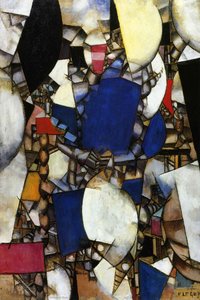
Pędzel artysty poruszał się z rytmiczną, niemal przemysłową precyzją, usiłując uchwycić puls zmieniającej się epoki. Fernand Léger odszedł od miękkich, rozmytych cieni przeszłości, wybierając zamiast tego budowanie kompozycji poprzez język surowej, geometrycznej siły. To właśnie to podejście doprowadziło do wykształcenia się jego osobistej odmiany kubizmu, którą krytycy określili mianem „tubizmu”. W tym stylu świat został wyobrażony na nowo poprzez formy tubularne, stożkowe i sześcianowate, tworząc poczucie objętości, która wydawała się jednocześnie solidna i dynamiczna. Nie ograniczał się on jedynie do malowania przedmiotów; dążył do odnalezienia ich esencjonalnej, strukturalnej logiki.
Dobór kolorów był równie zdecydowany, co kształty, które wypełniały. Artysta faworyzował paletę zdominowaną przez barwy podstawowe, często przełamywaną surową czernią i bielą, co pomagało zdefiniować ostre kontury jego tematów. Zamiast polegać na tradycyjnym iluzjonizmie, nakładał farbę w odważnych, spłaszczonych płaszczyznach koloru. Często stosował gruby impasto – technikę, która podkreślała fizyczną obecność materii na płótnie. To teksturalne podejście sprawiało, że jego prace wydawały się osadzone w rzeczywistości i namacalne, odzwierciedlając maszyny i struktury miejskie, które tak podziwiał. Jego figury często przybierały gładkie, mechaniczne kształty, zacierając granicę między organiczną ludzką formą a inżynieryjną precyzją nowoczesności.
- Nudes in the Forest (1910)
- The Woman in Blue (1912)
- Soldier with a Pipe (1916)
- The Mechanic (1920)
Późne lata i śmierć
Zmienne przypływy globalnych konfliktów ostatecznie oderwały artystę od paryskich kręgów, rzucając go za ocean. W latach 1940–1945 mieszkał w Stanach Zjednoczonych, co stało się czasem zupełnie nowej perspektywy na nowoczesny świat, który tak długo starał się przełożyć na język płótna. Ten pobyt za granicą przyniósł chwilowe wytchnienie w jego długiej ewolucji twórczej, będąc momentem przejściowym przed ostatecznym powrotem do ojczystej ziemi.
Po powrocie do Francji jego życie osobiste uległo znaczącej zmianie. W lutym 1952 roku poślubił Nadię Khodasevich. To związki zamknął ostatni rozdział jego życia, przeżyty w nieustannym procesie tworzenia niezwykle różnorodnych dzieł – od monumentalnych murali po subtelne witraże. Mimo upływu lat, jego pozycja na arenie międzynarodowej pozostawała niezachwiana. W 1955 roku został uhonorowany Grand Prix na Bienale w São Paulo, prestiżowym wyróżnieniem, które nadeszło w tym samym roku, w którym odszedł artysta. Fernand Léger zmarł 17 sierpnia 1955 roku w Gif-sur-Yvette we Francji.
Dziedzictwo i wpływ
Fernand Léger pozostawił po sobie ślad, który wykraczał daleko poza awangardowe kręgi jego własnych czasów. Poprzez zasypanie przepaści między sztuką abstrakcyjną a przedstawieniem figuratywnym, otworzył artystom drogę do dialogu z nowoczesnym światem, nie porzucając przy tym całkowicie ludzkiego podmiotu. Jego podejście umożliwiło współistnienie strukturalnej logiki geometrii z rozpoznawalną obecnością ludzi i przedmiotów. Ta zdolność do odnalezienia punktu wspólnego między tym, co czysto konceptualne, a tym, co namacalne, pomogła ukształtować kierunek wielu późniejszych nurtów w sztuce.
Jego śmiałe uproszczenie formy oraz fascynacja estetyką masowej produkcji stały się zapowiedzią ruchu pop art. Dostrzegł on pewne piękno w powtarzalnej, funkcjonalnej naturze ery maszyn – perspektywę, która później zarezonowała z nowym pokoleniem twórców. Artyści tacy jak Roy Lichtenstein i Andy Warhol wytyczyli wyraźną linię łączącą jego eksperymenty z wyrazistym konturem i mechaniczną obrazowością z własnymi poszukiwaniami w obszarze kultury popularnej. Pomógł on przygotować język wizualny dla epoki, która ostatecznie miała celebrować te same elementy przemysłowe i komercyjne, które on sam niegdyś starał się przenieść na płótno.
Gdzie dziś można podziwiać jego dzieła
Aby poczuć fizyczną obecność jego wizji, warto udać się na południe Francji, a konkretnie do Biot w departamencie Alpes-Maritimes. To właśnie tam znajduje się Musée national Fernand Léger – miejsce w całości poświęcone badaniu i zachowaniu jego twórczości. Muzeum mieści się w Mas Saint-André, willi, która niegdyś należała do samego artysty. W tych murach oraz w otaczających je ogrodach jego polichromowane rzeźby ceramiczne odnalazły swoje naturalne środowisko, pozwalając widzowi dostrzec, w jaki sposób jego formy wchodzą w dialog ze światłem i przestrzenią śródziemnomorskiego krajobrazu.
Poza tym wyspecjalizowanym sanktuarium, jego płótna i rzeźby znajdują się w wielu innych znaczących instytucjach. Musée d'Art et d'Histoire we Francji prowadzi kolekcję jego dzieł, dbając o jego obecność w szerokiej narracji sztuki francuskiej. Te zbiory umożliwiają nieustanne zgłębianie sposobu, w jaki artysta przekładał energię ery maszyn na statyczne, a jednak pulsujące życiem formy wizualne. Podróżnicy poszukujący jego specyficznej estetyki mogą odnaleźć ślady jego twórczości w kilku najważniejszych kolekcjach, w tym:
Jego wpływ rezonuje również w dziełach innych twórców, jednak głównym sposobem na bezpośrednie obcowanie z jego kunsztem jest wizyta w tych ugruntowanych repozytoriach. Bez względu na to, czy obserwujemy odważne, cylindryczne kształty w przestrzeni muzealnej, czy podziwiamy jego rzeźby w kojącej ciszy ogrodu, widz zawsze staje przed tą samą strukturalną klarownością, która definiowała dorobek życia artysty. Jego dziedzictwo pozostaje zakotwiczone w tych konkretnych miejscach, gdzie ciężkie, mechaniczne rytmy jego malarstwa są zachowane dla wszystkich tych, którzy pragną odnaleźć prawdę zawartą w jego geometrii.


 Rozwiń treść




 Przełącz na wydania drukowane


 W przypadku dzieł sztuki lub reprodukcji, których którykolwiek z boków przekracza 105 cm (około 41 cali), rama zostanie wysłana w formie zestawu do samodzielnego montażu. Metoda ta zapewnia bezpieczną dostawę i zapobiega uszkodzeniom podczas transportu.


