

Mechanical Elements (Fernand Léger)
Oil On Canvas. Metropolitan Museum of Art.

Płótna i wydruki artystyczne od zł180 w formacie 39 x 26 cm
Ręcznie malowana reprodukcja olejowa od zł759
- Darmowa wysyłka na cały świat w ciągu 3–4 tygodni
- Wydruki w tubie dostarczane w ciągu 3–4 tygodni
- 100 dni na zwrot, gwarancja zwrotu pieniędzy
- Ocena 4.9/5 na podstawie 241 opinii klientów w ArtShopReviews.com
§ 1Dane katalogowe


§ 2Abstrakcja
Mechanical Elements autorstwa Fernand Léger, opis obrazu
Interlocking circles and squares create a rhythmic pattern that mirrors the ceaseless pace of urban life in 1924.
 Przeczytaj pełny opis dzieła Mechanical Elements autorstwa Fernand Léger
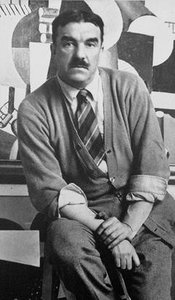
Fernand Léger: biografia
Atak gazem musztardowym w 1916 roku zmienił jego postrzeganie formy: zwróć uwagę na tubularne kształty w jego okresie mechanicznym.
§ 3Komentarz
A Vision of Industrial Harmony
Fernand Léger’s “Mechanical Elements,” painted in 1924, stands as a striking testament to the burgeoning fascination with technology during the interwar period. More than just a depiction of gears and pipes—though undeniably prominent—the artwork embodies Léger's ambitious goal: to synthesize Cubist fragmentation with the dynamism of the machine age, creating an aesthetic that simultaneously challenged artistic conventions and reflected the transformative realities of modern life.
Born Joseph Fernand Henri Léger in Argentan, Normandy, 1881, Léger embarked on a journey from rural landscapes to the epicenter of Parisian avant-garde. Initially drawn to architecture, his artistic path swiftly pivoted toward painting after arriving in Paris around 1900, fueled by an unwavering conviction that art could engage with the complexities of its time.
Cubism Revisited: Geometric Precision
Léger’s stylistic evolution is inextricably linked to Cubism. Influenced profoundly by Picasso and Braque, he adopted the fractured perspective and simultaneous viewpoints characteristic of this revolutionary movement—a deliberate rejection of traditional representation in favor of exploring spatial relationships through geometric forms. However, Léger didn't simply replicate Cubist principles; he pushed them further, distilling them into a simplified vocabulary of circles, squares, and lines.
“Mechanical Elements” exemplifies this approach brilliantly. The canvas is dominated by interlocking geometric shapes—primarily circles and squares—arranged in a rhythmic pattern that evokes the precision and repetition found in industrial machinery. These forms aren’t merely decorative; they actively contribute to conveying a sense of movement and energy, mirroring the ceaseless pace of urban life.
Symbolism Beyond Mechanism
While the artwork's visual language speaks directly to the influence of technology, Léger imbued “Mechanical Elements” with deeper symbolic resonance. The repetition of geometric shapes isn’t merely a stylistic device; it represents an attempt to capture the impersonal logic and order inherent in industrial processes—a deliberate contrast to the organic forms favored by Impressionism and Post-Impressionism.
Furthermore, Léger's use of color – predominantly shades of gray punctuated by vibrant accents – underscores this thematic preoccupation. Gray symbolizes the materiality of metal and concrete, while bursts of color represent human vitality and creativity—a harmonious blend reflecting Léger’s belief that art could coexist with technological advancement without sacrificing beauty or emotional depth.
A Legacy of Innovation
"Mechanical Elements" cemented Léger's position as a pioneer of Tubism – a variant of Cubism developed by Léger himself—characterized by the use of tubular forms to represent objects and figures. This innovative technique anticipated developments in Pop Art decades later, demonstrating Léger’s enduring influence on subsequent generations of artists.
Today, reproductions of “Mechanical Elements” continue to captivate audiences with their bold aesthetic and intellectual ambition. They serve as a powerful reminder that art can not only reflect the spirit of its time but also actively shape our understanding of it—a timeless masterpiece celebrating both geometric precision and human resilience.
Pytania i odpowiedzi
Czy ta reprodukcja Mechanical Elements jest malowana ręcznie, czy jest to wydruk?
Wydruk: Mechanical Elements jest reprodukowany jako wydruk giclée na płótnie bawełnianym lub na archiwalnym papierze artystycznym marki Epson.
Jaki rozmiar wybrać dla Mechanical Elements?
Dostępne rozmiary obejmują zakres od 39.3 x 25.5 cm (zł180) do 246.1 x 159.6 cm (zł1530); tabela na tej stronie przedstawia główne warianty oraz ich ceny.
Ile trwa dostawa?
Wydruk zwinięty w tubie jest wysyłany bezpłatnie pocztą zwykłą i dociera w ciągu 3–4 tygodni; wydruk na płótnie lub w ramie wymaga 4–5 tygodni. Dostawa kurierem ekspresowym jest dostępna wyłącznie przy wykupieniu płatnej opcji Express Delivery. Możesz dokonać zwrotu w ciągu 100 dni z pełnym zwrotem kosztów, bez żadnych dodatkowych warunków.
Gdzie znajduje się oryginał Mechanical Elements?
Oryginał znajduje się w zbiorach Metropolitan Museum of Art w Nowy Jork.
Jakiej techniki użył/a Fernand Léger w pracy Mechanical Elements?
Oil On Canvas


 Obraz olejny


 W przypadku dzieł sztuki lub reprodukcji, których którykolwiek z boków przekracza 105 cm (około 41 cali), rama zostanie wysłana w formie zestawu do samodzielnego montażu. Metoda ta zapewnia bezpieczną dostawę i zapobiega uszkodzeniom podczas transportu.


