Wczesne lata, rodzina i wykształcenie
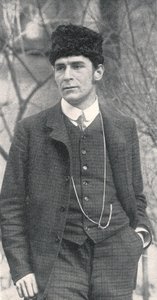
Franz Marc urodził się w Monachium, w Niemczech, w domu, w którym język wizualny pejzażu był już głęboko zakorzeniony. Jego ojciec, Wilhelm Marc, pracował jako zawodowy malarz pejzażowy, zapewniając synowi bezpośrednie, choć niepozbawione niepewności, wprowadzenie w mechanizmy sztuki. Ta rodzinna więź sprawiła, że narzędzia rzemiosła były obecne od samego początku, jednak droga Marca nie była prostą linią prowadzącą od dziedzictwa do płótna. Zanim w pełni oddał się życiu malarskiemu, poświęcił czas na zmagań z teologią – był to okres duchowych poszukiwań, który w późniejszych latach nadał intensywność jego twórczości wizualnej. To właśnie napięcie między tym, co święte, a tym, co materialne, nadaje jego późniejszym dziełom ich specyficzny, niemal namacalny ciężar.
Jego formalne kształcenie rozpoczęło się w 1900 roku, kiedy to zapisał się na studia artystyczne na Uniwersytecie Ludwiga i Maksymiliana w Monachium. Ta akademicka podstawa nie była jedynie formalnością; zapewniła ona rygor techniczny niezbędny do późniejszego rozbicia tradycyjnej reprezentacji. Po czasie spędzonym na uniwersytecie, Marc udał się do Monachijskiej Akademii Sztuk Pięknych. Ta sekwencja studiów przeprowadziła go od ogólnych zasad akademickich ku specjalistycznej, intensywnej koncentracji, wymaganej do przeprowadzenia radykalnych zmian, którym ostatecznie przewodził. Nie był on produktem przypadkowego talentu, lecz owocem świadomego, ustrukturyzowanego zanurzenia w formalnych tradycjach Monachium.
Rozwój artystyczny i inspiracje
Wczesna twórczość, którą pozostawił po sobie Franz Marc, odzwierciedla ciężar akademickiego malarstwa oraz wpływ impresjonizmu. Te tradycyjne fundamenty dostarczyły mu technicznej struktury, którą ostatecznie postanowił zburzyć. Jego pobyt we Francji, a w szczególności wizyty w Paryżu w 1903 i 1907 roku, zadziałały jako katalizator tego odejścia od konwencji. To właśnie w Paryżu zetknął się z dziełami, które stworzył Vincent van Gogh. To spotkanie z jego sztuką dostarczyło niezbędnej alternatywy dla sztywnych ram akademickiego wykształcenia, oferując sposób na wykorzystanie koloru jako bezpośredniego narzędzia ekspresji emocjonalnej, a nie tylko środka do czystego opisu rzeczywistości.
Zwrot ku abstrakcji nie był nagłym skokiem, lecz przemyślaną odpowiedzią na ewoluujący język wizualny wczesnego XX wieku. Eksploracja abstrakcyjnych form i intensywnych palet barwnych, którą zajmował się Robert Delaunay, stała się dla Marca wzorcem własnej drogi ku uproszczeniu formy. Artysta odszedł od dosłownej reprezentacji krajobrazu, dążąc zamiast tego do odarcia tematów z ich powierzchowności i dotarcia do ich esencjonalnych kształtów. Ten proces pozwolił mu przeniknąć przez powierzchnię świata naturalnego, by osiągnąć bardziej subiektywny, nasycony emocjami styl wyrazu.
Błękitny Jeździec i Ekspresjonizm
Przejście od czystej reprezentacji ku poszukiwaniu duchowej prawdy definiuje najważniejszy wkład Franz Marc w modernizm. Zanim powołał do życia własny nurt, eksperymentował z grupą Neue Künstlervereinigung München. Ten okres prób i błędów był niezbędny, aby wyrwać się z akademickich ograniczeń epoki. W 1911 roku Marc, wspólnie z Wassylym Kandinskym, współzałożył grupę Der Blaue Reiter. Nie był to jedynie klub towarzyski; była to radykalna rewolucja przeciwko status quo. Członkowie grupy wykorzystywali czasopismo o tej samej nazwie, aby promować konkretną ideę: użycie abstrakcji i symbolicznego koloru do wyrażania wewnętrznych, duchowych rzeczywistości. Pragnęli oni przeniknąć przez powierzchowność fizycznego świata, aby dotrzeć do czegoś bardziej esencjonalnego.
Ruch ten stanowił bezpośrednie wyzwanie rzucone industrialnej, szarej rzeczywistości wczesnego XX wieku. Marc i jego koledzy poszukiwali języka wizualnego, który potrafiłby komunikować się z duszą, a nie tylko z okiem. Skierowali się ku stylowi, w którym kolor funkcjonował niczym duchowa częstotliwość. Nie chodziło o malowanie tego, co widzialne, lecz o uchwycenie wewnętrznej esencji tematu. Punkt ciężkości przesunął się z zewnętrznego krajobrazu ku rytmicznej, symbolicznej interpretacji życia. Ten okres wyznaczył moment, w którym niemiecki ekspresjonizm odnalazł swój najpotężniejszy, nieliteracki głos.
Technika i styl symboliczny
Język wizualny, którym posługiwał się Franz Marc, opierał się na rygorystycznym i świadomym systemie symboliki barw, który odrzucał czysto opisową dokładność. Artysta nie używał odcieni, aby naśladować świat naturalny, lecz by nakreślić duchową hierarchię bytu. W jego palecie błękit reprezentował męskość i duchowość, żółć oznaczała kobiecość oraz radość, natomiast czerwień ucieleśniała materializm i przemoc. Nie był to jedynie swobodny wybór estetyczny, lecz ustrukturyzowana próba komunikowania wewnętrznych prawd za pomocą zewnętrznego pigmentu. Poprzez odrzucenie dosłowności, artysta zmuszał widza do bezpośredniego obcowania z emocjonalnym ciężarem samej barwy.
Jego technika ewoluowała w stronę radykalnego uproszczenia formy. Skomplikowane struktury biologiczne redukował do esencjonalnych, rytmicznych kształtów. Ten redukcjonizm, połączony ze śmiałymi, nienaturalistycznymi kolorami, tworzył napięcie między podmiotem a jego otoczeniem. Stosował krótkie, zdecydowane pociągnięcia pędzla oraz technikę impasto, aby budować teksturę, nadając swoim kompozycjom fizyczną obecność, która paradoksalnie kontrastuje z abstrakcyjnością przedstawianych tematów. Rezultatem jest styl, w którym zwierzę przestaje być jedynie istotą z ciała i krwi, stając się naczyniem dla specyficznej, zakodowanej energii.
Kluczowe dzieła i tematyka
Dojrzała twórczość, którą pozostawił po sobie Franz Marc, koncentruje się wokół królestwa zwierząt. Artysta odszedł od statycznych pejzaży, aby skupić się na istotach takich jak konie, jelenie czy lisy. Te tematy nie służyły mu jako zwykłe studia biologiczne, lecz stawały się naczyniami dla duchowej energii. W 1911 roku stworzył The Large Blue Horses, dzieło, które ugruntowało jego zamiłowanie do nienaturalistycznego koloru. Do 1912 roku jego kompozycje stały się bardziej agresywne i ustrukturyzowane, co doskonale widać w obrazach Tiger oraz Red Deer. Malarstwo to ukazuje ewolucję w stronę chwytania wewnętrznych jakości podmiotów poprzez uproszczone, rytmiczne formy.
Ewolucja jego stylu wskazuje na wyraźną trajektorię zmierzającą ku abstrakcji. Praca z 1913 roku, The Foxes, odzwierciedla wpływy francuskiego kubizmu, wykorzystując krystaliczną kompozycję do rozbicia formy. Podejście to osiągnęło swój szczyt w namalowanej w 1913 roku The World-Cow, gdzie temat staje się symbolem kosmicznego istnienia. Twórczość ta opiera się na specyficznej logice barw: błękit reprezentuje męskość i duchowość, żółć oznacza kobiecość i radość, natomiast czerwień ucieleśnia przemoc i materializm. Ten system sprawił, że każdy portret zwierzęcia stał się manifestem filozoficznym, a nie tylko dosłownym przedstawieniem rzeczywistości.
- The Large Blue Horses (1911)
- Tiger (1912)
- Red Deer (1912)
- The Foxes (1913)
- The World-Cow (1913)
Późne lata i śmierć
Trajektoria kariery, którą wyznaczył Franz Marc, została brutalnie przerwana przez wybuch I wojny światowej w 1914 roku. Mimo swojego statusu artysty, został wcielony do niemieckiej armii, gdzie służył jako kawalerzysta. Ten konflikt wymusił gwałtowną zmianę – od jego dążenia ku duchowej abstrakcji ku ponurej rzeczywistości służby wojskowej. Nawet pośród wojennego chaosu nie przestał malować, próbując odnaleźć sens za pomocą pędzla, podczas gdy świat wokół niego ulegał rozpadowi.
Jego życie dobiegło końca 4 marca 1916 roku podczas bitwy pod Verdun. Śmierć ta nastąpiła dwa lata po wybuchu wojny. Zginął od odłamka pocisku, co stanowiło gwałtowny koniec drogi zdefiniowanej przez nieustanne poszukiwanie czystości. Nagłość jego śmierci pod Verdun pozostawiła pustkę w rozwoju niemieckiego ekspresjonizmu, wstrzymując jego ruch ku jeszcze bardziej radykalnej abstrakcji, zanim zdążył on osiągnąć jej logiczny punkt kulminacyjny.
Dziedzictwo i wpływ
Franz Marc pozostaje centralną postacią w historii niemieckiego ekspresjonizmu. Jego wpływ mierzy się tym, w jaki sposób jego podejście do koloru i formy przesunęło punkt ciężkości sztuki nowoczesnej z zewnętrznej obserwacji ku wewnętrznej, duchowej prawdzie. Choć jego kariera została brutalnie przerwana, jego oddziaływanie trwa nadal dzięki obecności jego dzieł w najważniejszych muzeach na całym świecie. Zdolność artysty do destylacji esencji zwierząt w symboliczne, nienaturalistyczne kształty na zawsze zmieniła trajektorię malarstwa początku XX wieku.
Krajobraz polityczny lat 30. XX wieku próbował wymazać ten wkład z pamięci zbiorowej. Reżim nazistowski określił Marc jako artystę zdegenerowanego, co stanowiło część szerszej kampanii mającej na celu stłumienie modernizmu. Mimo tej systematycznej nagonki, większość jego dorobku przetrwała zniszczenia II wojny światowej. To przetrwanie sprawia, że jego wizualny język pozostaje dostępny dla współczesnych odbiorców. Jego twórczość wciąż rezonuje w duszy widza, ponieważ oferuje bezpośrednią, pełną emocji odpowiedź na świat natury, unikając przy tym ograniczeń dosłownej reprezentacji.
- Lisy (1913)
- Krowa-Świat (1913)
- Czerwony Jeleń (1912)
Gdzie dziś można zobaczyć jego dzieła
Aby dotknąć fizycznej rzeczywistości wizji, jaką stworzył Franz Marc, należy zwrócić się ku wybranym kolekcjom instytucjonalnym, które ocaliły jego dorobek mimo burzliwych dziejów XX wieku. Muzeum Franza Marca w Kochel am See w Niemczech stanowi kluczowe miejsce dla jego dziedzictwa, przechowując ponad 150 jego prac. Kolekcja ta pozwala na bezpośredni wgląd w rozwój artysty osadzony w bawarskim krajobrazie. W Monachium natomiast muzeum Lenbachhaus prowadzi rozległe zbiory, oferując skondensowany obraz jego wkładu w niemiecki ekspresjonizm. Ważne dzieła znajdują się również w Staatsgalerie Moderner Kunst w Monachium, co sprawia, że jego obecność pozostaje centralnym punktem historii sztuki tego miasta.
Twórczość artysty wykracza daleko poza granice Niemiec, a jego płótna znajdują się w najważniejszych muzeach na świecie. W Stanach Zjednoczonych Art Institute of Chicago posiada w swoich zbiorach The Enchanted Mill. Tak rozproszone lokalizacje pozwalają na globalne zrozumienie wpływu, jaki wywarł on na nowoczesną abstrakcję. Osobiste obcowanie z tymi dziełami pozwala dostrzec prawdziwą fakturę jego pociągnięć pędzla oraz specyficzną intensywność doboru barw, które tak często tracą swój ciężar i znaczenie w cyfrowych reprodukcjach.
- The Enchanted Mill (1913)
- The Tower of Blue Horses (1913)
- Red Deer II (1912)
- The Tiger (1912)


 Rozwiń treść


 Przełącz na wydania drukowane


 W przypadku dzieł sztuki lub reprodukcji, których którykolwiek z boków przekracza 105 cm (około 41 cali), rama zostanie wysłana w formie zestawu do samodzielnego montażu. Metoda ta zapewnia bezpieczną dostawę i zapobiega uszkodzeniom podczas transportu.


