


 Podgląd w skali 1:1
 Wyślij jako kartkę
 Udostępnij
 Szczegóły dzieła
 Przewodnik

 Pobierz obraz
 Podobne obiekty
 RTG
RTG Pokaz slajdów
 Statystyki
Down on His Luck


 Rozwiń treść
Ręcznie malowana reprodukcja olejowa
Ręcznie malowany obraz olejny na płótnie, wykonany na zamówienie przez naszych artystów w wybranym przez Ciebie wymiarze i oprawie. ( Przełącz na wydania drukowane Przejdź do wersji cyfrowej)




P118B zł10

P118H zł10

P118W zł10

P438Z zł10

P508JH zł12

P508YH zł12

P805H zł10

P805Z zł10

P919BZ zł10

P919G zł10

P919XJ zł10

P959ZH zł10

P968JZ zł12

W106C zł8

W218G zł10

W218JH zł8

W218Y zł10

W307PJ zł10

W316G zł10

W316PJ zł8

W316Y zł10

W398PJ zł8

W4111J zł10

W500HY zł15

W500JH zł15

W692G zł12

W849H zł8

W940BG zł15

W953PJ zł8




Wybierz spośród naszych standardowych rozmiarów, które zachowują oryginalne proporcje dzieła sztuki.

Wpisz wymaganą szerokość i wysokość, aby obraz pasował do Twojej ramy lub ściany. Ponieważ jest to dzieło malowane ręcznie, w przypadku rozmiaru o innych proporcjach artysta może domalować nieco więcej wokół obrazu lub przyciąć jego fragmenty — wybór należy do Ciebie. Przed rozpoczęciem pracy prześlemy Ci cyfrową wizualizację do zatwierdzenia. Obraz widoczny na tej stronie nie przedstawia rzeczywistego efektu — jedynie wizualizacja oddaje realny rezultat.
Po złożeniu zamówienia zespół AllPaintingsStore.com skontaktuje się z klientem drogą mailową w celu uzyskania instrukcji i prześle wizualizację projektu
Dostawa na całym świecie () w ciągu 3–4 tygodni zamiast standardowych 5 tygodni. (28 Październik). Bez kompromisów w kwestii jakości.

Bezpłatna ekspresowa wysyłka na cały świat

Wysokiej jakości płótno lniane

Pełne ubezpieczenie przesyłki

Gwarancja zwrotu należności celnych i podatków importowych

Gwarancja wiernego odwzorowania kolorów

100-dniowa polityka zwrotów (tylko w przypadku wad)

Gwarancja 100% zwrotu pieniędzy

Zniżka przy zakupie wielu sztuk
 Opcja ze szkłem jest dostępna wyłącznie w rozmiarach poniżej 110 cm

Down on His Luck
Technika reprodukcji
Wymiary reprodukcji
-


Cena całkowita
zł 994
The Artist and His Work
Frederick McCubbin was a prominent figure in Australian Impressionism, known for his works depicting the Australian bush. Down on His Luck is one such painting that reflects his love for the outdoors. The dark, subdued landscape was likely painted at Box Hill, outside of Melbourne.The Painting's Significance
The painting depicts a swagman sitting by a campfire, lost in thought. A swagman was a traveling laborer who carried his belongings from farm to farm. The clothing and bedroll are typical of workers and swagmen in the bush. The eucalyptus plant in the foreground adds depth to the painting.Artistic Influences
McCubbin's work was influenced by his friend, artist Tom Roberts, who brought news of European art developments. The lively art world in Melbourne also played a role in shaping McCubbin's style.Cultural Context
Australian culture is primarily Western, with influences from British, Indigenous, and migrant components. The gold rushes of the 1850s led to significant population growth and racial tensions. The Heidelberg School artists, including McCubbin, contributed to the development of Australian identity.Relevance Today
Down on His Luck remains a powerful representation of the Australian bush and its people. It is a testament to McCubbin's skill in capturing the essence of his subjects. Discover the Art Gallery of Western Australia, home to over 17,000 works of art, including Down on His Luck. Visit Discover the Art Gallery of Western Australia to learn more.Pytania i odpowiedzi
W jaki sposób „Down on His Luck” – Frederick McCubbin łączy Australian Impressionism z krajem pochodzenia artysty?
Dzieło z nurtu Australian Impressionism, zatytułowane "Down on His Luck", zostało stworzone przez artystę urodzonego w Australia.
Czy kolory dzieła „Down on His Luck” – Frederick McCubbin są żywe czy stonowane?
Dzieło „Down on His Luck” – Frederick McCubbin charakteryzuje się nasyceniem na poziomie Subtle Color oraz intensywnością Balanced.
Jaki poziom kontrastu prezentuje „Down on His Luck” – Frederick McCubbin?
Poziom kontrastu dzieła „Down on His Luck” – Frederick McCubbin wynosi Statement.
Podobne dzieła


Biografia artysty
Frederick McCubbin – A Life Rooted in the Australian Landscape
Frederick McCubbin, born February 25th, 1855, in Melbourne, Australia, stands as a cornerstone of Australian art—a figure inextricably linked to the nation’s evolving identity and its distinctive visual language. His journey from humble beginnings—the son of bakers who instilled in him a profound work ethic—to becoming a pivotal voice within the Heidelberg School is testament to his unwavering dedication and artistic vision. McCubbin's formative years were marked by diverse experiences, beginning with his early education at William Willmett’s West Melbourne Common School and St Paul’s School, Swanston Street, where he absorbed foundational knowledge of Victorian society. He subsequently honed his skills as a solicitor’s clerk and assisted in the family bakery business—activities that instilled within him an understanding of everyday Australian life, a theme which would permeate throughout his oeuvre. Recognizing his innate talent for drawing, McCubbin enrolled at the National Gallery of Victoria Art School under the tutelage of Eugene von Guerard and George Folingsby, absorbing the prevailing artistic currents of the time while mastering traditional landscape painting techniques.Early Influences and Artistic Training
A crucial turning point arrived with his enduring friendship with Tom Roberts—a bond that would profoundly shape the trajectory of Australian art history. Roberts’s return from a four-year expedition to Europe in 1885 ignited McCubbin's artistic imagination, introducing him to Impressionist principles and inspiring him to embrace plein air painting—a technique championed by artists like Jules Bastien-Lepage and Millet. Together, they established the Box Hill Artists’ Camp that summer, attracting fellow luminaries Arthur Streeton and Charles Conder—artists who would collectively define what became known as the Heidelberg School movement. Rejecting the rigid formalism of European academic art, this group ventured into the Australian bushland, seeking to capture its raw beauty and confronting its harsh realities with unprecedented immediacy and authenticity. McCubbin’s contribution during this formative period was instrumental in establishing a distinctly Australian aesthetic—one characterized by luminous color palettes and expressive brushstrokes that conveyed emotion rather than mere representation. His early works, such as *View near Fisherman's Bend* (1884), exemplify this stylistic approach, demonstrating his mastery of capturing atmospheric conditions and conveying the mood of the landscape.The Heidelberg School: Defining a National Vision
The Box Hill Artists’ Camp solidified McCubbin’s commitment to portraying Australian life—a mission that would propel him toward monumental achievements in later years. He served as Drawing Master at the National Gallery School from 1886, nurturing the talents of aspiring artists and fostering a dialogue about artistic innovation within Victoria. Simultaneously, he engaged in prolific sketching activity, documenting scenes of Melbourne’s urban sprawl and capturing glimpses of rural life—activities that informed his artistic vision and deepened his understanding of the Australian psyche. McCubbin's collaborative efforts with Roberts culminated in *On the Wallaby Track* (1896)—a painting that embodies the Heidelberg School’s ethos: a bold exploration of Australian identity expressed through evocative imagery and masterful technique. The monumental scale of this work—alongside *The Pioneer* (1904) – reflects McCubbin's ambition to engage with grand narratives about settlement and pioneering spirit, aligning him with the broader artistic movement that sought to forge a national mythology.Later Years and Artistic Evolution
McCubbin’s artistic sensibilities underwent further refinement during his trip to Europe in 1907—a journey that exposed him to the groundbreaking innovations of Impressionist painters like Turner and Monet. This encounter spurred him toward experimenting with looser brushwork, brighter colors, and a more subjective interpretation of light and atmosphere—characteristics evident in paintings produced shortly before his death in 1917. Notably, *Landscape* (c. 1914) exemplifies this stylistic shift—a testament to McCubbin’s ability to synthesize influences from both European tradition and Australian landscape painting. His legacy extends beyond individual artworks; he established a foundational aesthetic for Australian art—one that continues to inspire artists today. Frederick McCubbin remains celebrated as one of Australia's most influential painters, whose enduring vision captures the essence of the nation's spirit and its relationship with the natural world.
Frederick McCubbin
1855 - 1917 , Australia
Krótka nota
- Artistic Movement Or Style: Heidelberg School
- Artists Who Influenced This Artist:
- Eugene von Guerard
- George Folingsby
- Date Of Birth: 25 lutego 1855
- Date Of Death: 20 grudnia 1917
- Full Name: Frederick McCubbin
- Nationality: Australijski
- Notable Artworks:
- On the Wallaby Track
- Down on His Luck
- The Pioneer
- Place Of Birth: Melbourne, Australia
Powiązane artykuły

Poza Impresjonizmem: Eksploracja Głębii Emocjonalnej Malarstwa Postimpresjonistycznego
Odkryj fascynujący świat postimpresjonizmu! Analiza dzieł Van Gogha, Cézanne'a i Gauguina. Poznaj techniki malarskie, symbolikę oraz wpływ tego ruchu na sztukę współczesną. Ekspercka wiedza i inspiracje dla miłośników sztuki.

Impresjonizm vs Postimpresjonizm: Ekskluzywny Przewodnik po Rewolucji Światła i Emocji w Malarstwie
Odkryj fascynującą różnicę między impresjonizmem a postimpresjonizmem. Poznaj historię rewolucji światła i emocji poprzez luksusowe, ręcznie malowane reprodukcje mistrzów w AllPaintingsStore. Ekskluzywna jakość, tradycyjne techniki olejowe i profesjonalne doradztwo dla koneserów sztuki.

Impressionizm w Obrazach: 10 Arcydzieł Pełnych Światła i Koloru | AllPaintingsStore
Odkryj 10 arcydzieł impresjonizmu! Poznaj historie Claude Moneta, Degasa i Van Gogha. Reprodukcje obrazów najwyższej jakości – pejzaże pełne światła i koloru do Twojego wnętrza. AllPaintingsStore.
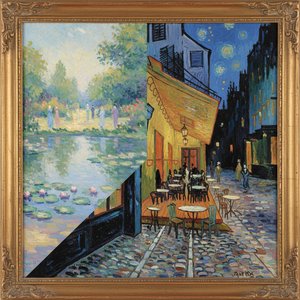
Poza Światłem i Kolorem: Impresjonizm a Postimpresjonizm dla Wymagającego Kolekcjonera
Poznaj subtelne różnice między impresjonizmem a postimpresjonizmem. Ekspercka analiza dla wymagających kolekcjonerów sztuki. Inwestycje, historia i wartość dzieł.
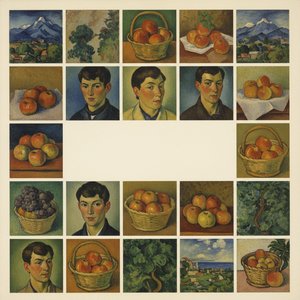
Paul Cézanne: 25 Arcydzieł, które Zrewolucjonizowały Świat Sztuki | AllPaintingsStore
Odkryj 25 arcydzieł Paula Cézanne'a – od impresjonizmu po postimpresjonizm. Poznaj historie, techniki i inspiracje malarza, który zrewolucjonizował sztukę. Reprodukcje obrazów najwyższej jakości na AllPaintingsStore.com!


