Gwarancja zwrotu pieniędzy · 100 dni Darmowa dostawa na cały świat
449 587dzieła sztuki 30 613artyści 4 660muzea 32język
Catalogue entry

Griffin Player

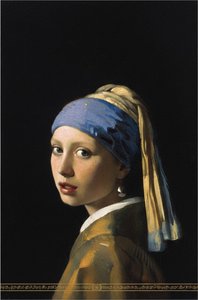
1661. Akryl na płótnie, 32.0 x 24.0 cm. Luwr.

Fig. 1. Gabriel Metsu, Griffin Player, 1661. Shown as the reproduction you are specifying: , .

§ 1Catalogue data

Wymiary
32.0 x 24.0 cm

§ 2Abstract

Opis obiektu

Magnificent portrait by Gabriel Metsu depicting a woman and man playing the virginal – a masterpiece of Dutch Baroque art, capturing intimacy and musical passion.

Biografia artysty

Gabriel Metsu (1629-1667) był holenderskim malarzem barokowym znanym z obrazów gatunkowych i portretów, zainspirowanych twórczością Rembrandtka i Vermeer'a. Jego dzieła uchwyciły codzienną rzeczywistość z niezwykłą szczegółowością i wykorzystywały symbole.

§ 3Commentary

Gabriël Metsu – Virginal Player

“The Virginal Player” stands as a quintessential example of Baroque genre painting, crafted by Gabriel Metsu around 1661 and residing within the esteemed collection of the National Gallery of Ireland. This captivating artwork transcends mere depiction; it’s an invitation into a moment frozen in time—a tableau vivant capturing the intimacy of musical performance and social interaction.

  • Subject Matter: The painting portrays a woman seated at a virginal (harpsichord), accompanied by a man who is actively playing the instrument. This pairing speaks volumes about the cultural significance of music during Metsu’s era, reflecting aristocratic pursuits and refined sensibilities.
  • Style & Technique: Metsu's masterful approach aligns with Baroque aesthetics—characterized by dramatic lighting, meticulous detail, and an emphasis on conveying emotion through gesture and expression. The artist skillfully employs oil paint on panel, achieving remarkable luminosity and textural richness that imbues the scene with palpable atmosphere.
  • Historical Context: Executed during the Dutch Golden Age (c. 1600–1700), “The Virginal Player” embodies the artistic fervor of a period marked by unprecedented prosperity and intellectual curiosity. Metsu’s work reflects the broader cultural preoccupation with portraying everyday life—albeit elevated to an artful level—and capturing nuanced psychological portraits.
  • Symbolism: Beyond its visual beauty, the painting carries symbolic weight. The virginal itself represents chastity and virtue, while the woman's posture exudes composure and grace. Furthermore, the inclusion of a book subtly suggests contemplation and intellectual engagement – mirroring the values cherished by the aristocratic patrons of Metsu’s time.
  • Emotional Impact: Metsu succeeds in conveying a profound sense of serenity and connection between the figures. The artist captures not just what is seen but also what is felt—creating an image that resonates with viewers long after encountering it.

This remarkable piece exemplifies Metsu’s dedication to realism combined with artistic sensitivity, cementing his place as one of the most celebrated painters of his generation.

Pytania i odpowiedzi

Gdzie najlepiej eksponować dzieło „Griffin Player” w formacie Orientacja pionowa?

Format (Orientacja pionowa) oraz rekomendowana przestrzeń (Salon lub strefa dzienna) to dwa parametry dotyczące rozmieszczenia dzieła „Griffin Player” – Gabriel Metsu.

Ile światła zdają się odbijać kolory dzieła "Griffin Player"?

„Griffin Player” – Gabriel Metsu ma luminancję na poziomie Najciemniejszy. Luminancja określa, jak dużą ilość światła zdają się odbijać kolory.

Jaki układ ma „Griffin Player” – Gabriel Metsu?

Format dzieła „Griffin Player” to Orientacja pionowa. Jest to pomocna informacja podczas planowania miejsca, w którym zostanie umieszczona reprodukcja.

§ 4The artist

Gabriel Metsu

Gabriel Metsu

1629 - 1667, Holandia

Quick facts about Gabriel Metsu

  • Artistic Movement Or Style: Dutch Golden Age painting
  • Artists Or Movements Influenced By This Artist: ['Michiel van Musscher']
  • Artists Who Influenced This Artist:
    • Rembrandt van Rijn
    • Johannes Vermeer
  • Date Of Birth: 1629
  • Date Of Death: 1667
  • Full Name: Gabriel Metsu
  • Nationality: Dutch
  • Notable Artworks:
    • The Sick Child
    • Poultry Seller
    • Portrait of the Hinlopen Family
  • Place Of Birth: Leiden, Netherlands

Biografia artysty

Gabriel Metsu – A Life of Artistic Exploration

Gabriel Metsu (1629–1667) stands as a singular figure within the Dutch Golden Age, celebrated for his masterful depictions of domestic interiors and genre scenes imbued with subtle symbolism. Unlike many of his contemporaries who adhered to established artistic conventions, Metsu pursued an eclectic path, blending influences from Rembrandt van Rijn and Johannes Vermeer into a distinctive visual language that continues to fascinate scholars and collectors alike. This biography delves into the life and oeuvre of this enigmatic artist, illuminating the formative years, groundbreaking techniques, and enduring legacy that cemented his place in art history.

Early Life and Influences

Born in Leiden around 1629, Gabriel Metsu’s artistic journey began within a family steeped in artistic tradition. His father, Jacques Metsu, was a tapestry worker and painter originally hailing from Hainault—a heritage that instilled in Gabriel an appreciation for diverse visual mediums beyond mere portraiture. The Metsu household moved to Leiden shortly after his birth, exposing him to the vibrant cultural landscape of the burgeoning Republic. Crucially, Jacques’s artistic training under Gerard Dou profoundly shaped Metsu's early sensibilities, fostering a meticulous attention to detail and mastering the art of capturing natural light—skills that would become hallmarks of his mature style. The influence of Rembrandt van Rijn is palpable in Metsu’s formative works, particularly his use of chiaroscuro – dramatic contrasts between light and dark – mirroring Rembrandt’s groundbreaking approach to illumination.

Artistic Career: Embracing Eclecticism

Metsu's artistic career defied categorization, earning him the moniker “a highly eclectic artist.” He skillfully navigated various genres—history paintings, still lifes, portraits, and genre scenes—demonstrating an unparalleled versatility that distinguishes him from many of his peers. Remarkably, only fourteen of Metsu’s approximately 133 extant paintings bear dates, leaving considerable room for speculation regarding the chronology of his creative process and highlighting the challenges inherent in reconstructing his artistic development. This deliberate avoidance of stylistic uniformity underscores Metsu's conviction that artistic expression should transcend rigid boundaries, prioritizing emotional resonance and visual impact above adherence to prevailing trends. His decision to establish a studio in Amsterdam around 1655 marked a pivotal moment, propelling him into contact with the epicenter of Dutch artistic innovation and fostering collaborations with fellow masters like Johannes Vermeer and Pieter de Hooch—artists who similarly championed the depiction of everyday life with remarkable realism and psychological depth.

Notable Works and Legacy

Metsu’s paintings frequently centered on scenes of domestic tranquility – young women engaged in quiet pursuits, market interiors brimming with activity, and elderly figures reflecting upon life's passage. These subjects resonated deeply with the sensibilities of his time, mirroring the humanist ideals that underpinned the Dutch Golden Age. Among Metsu’s most celebrated achievements is *The Poultry Seller*, a masterpiece that exemplifies his masterful use of symbolism—a technique honed by Dou and Vermeer—to convey complex narratives within seemingly simple compositions. The painting's meticulous depiction of light and texture further underscores Metsu’s dedication to capturing the nuances of visual perception, solidifying his reputation as one of the era’s foremost innovators. Furthermore, *Portrait of the Hinlopen Family* exemplifies Metsu’s ability to blend genre conventions with portraiture, creating images that transcend mere likeness—capturing not only physical appearance but also psychological character and familial bonds. His influence extended beyond his immediate contemporaries, shaping the artistic sensibilities of subsequent generations and ensuring that Metsu's distinctive visual language continues to inspire artists today.

Museum Collections and Recognition

Gabriel Metsu’s enduring legacy is reflected in the prominent presence of his artworks within major museums across Europe—most notably the Rijksmuseum in Amsterdam, where visitors can immerse themselves in the splendor of Dutch Baroque art. Ongoing research into Metsu's life and oeuvre continues to unveil new insights into his artistic process and contextualize his achievements within the broader framework of seventeenth-century European culture. His contribution to the visual arts remains unparalleled—a testament to Gabriel Metsu’s unwavering commitment to artistic exploration and innovation.

§ 5Comparanda

§ 6Questions

Najważniejsze informacje

  • Influences:
    • Rembrandt
    • Vermeer
  • Notable elements or techniques: Genre painting; Detailed realism
  • Medium: Oil on panel
  • Dimensions: 32 x 24 cm
  • Location: Louvre Museum
  • Artistic style: Eclectic

Quiz o sztuce

Do każdego pytania dotyczy tylko jedna poprawna odpowiedź.

Pytanie 1:
Jak nazywa się obraz?
Pytanie 2:
Kiedy powstał obraz?
Pytanie 3:
Jaki styl malarski charakteryzuje się tym obrazem?
Pytanie 4:
Czy obraz przedstawia scenę codziennego życia?
Pytanie 5:
Kto jest twórcą tego obrazu?

§ 7Cite this entry

AllPaintingsStore.com, “Gabriel Metsu, Griffin Player (1661)”, https://allpaintingsstore.com/pl/art/gabriel-metsu-griffin-player-8XZREZ-pl/ (accessed 3 Październik 2026).

§ 8The reproduction

Ręcznie malowana reprodukcja olejowa

Ręcznie malowany obraz olejny na płótnie, wykonany na zamówienie przez naszych artystów w wybranym przez Ciebie wymiarze i oprawie. ( Przełącz na wydania drukowane Przejdź do wersji cyfrowej)

It is specified on the order sheet in the margin; the present state of that sheet reads as follows.

Griffin Player

Technika reprodukcji

Wymiary reprodukcji

-

Wybitny mistrz artystyczny

Większa szczegółowość, finezja i dodatkowy czas na realizację

-

Opcje oprawy reprodukcji

-

-

W przypadku dzieł sztuki lub reprodukcji, których którykolwiek z boków przekracza 105 cm (około 41 cali), rama zostanie wysłana w formie zestawu do samodzielnego montażu. Metoda ta zapewnia bezpieczną dostawę i zapobiega uszkodzeniom podczas transportu.

Wymagany profesjonalny montaż – nie jest to produkt typu DIY.
Zestaw musi zostać złożony, a płótno naciągnięte przez doświadczonego profesjonalnego ramiarza, przy użyciu kleju do drewna (brak w zestawie), kleszczy do naciągania płótna oraz ścisków, które utrzymają krosna w równej pozycji podczas schnięcia kleju. Nieprawidłowy montaż lub nierównomierne napięcie płótna może trwale uszkodzić dzieło sztuki i nie podlega naszej gwarancji.

  • W zestawie znajdują się wszystkie listwy z litego drewna, precyzyjnie docięte do wymiarów.

  • Montaż odbywa się przy użyciu dołączonych wkrętów oraz kleju do drewna do łączenia narożników, którego zestaw nie zawiera i który musi zostać dostarczony przez ramiarza.

  • Wymagane są profesjonalne narzędzia, których nie ma w zestawie: kleszcze do naciągania płótna (napinacz) oraz zaciski, które pozwolą utrzymać listwy w równej pozycji podczas schnięcia kleju.

Ważne:
Do połączenia narożników niezbędny jest klej do drewna, listwy należy unieruchomić za pomocą ścisków do momentu całkowitego wyschnięcia kleju, a naciągnięcie płótna na złożoną ramę wymaga użycia kleszczy do naciągania płótna. Żaden z tych elementów nie jest dołączony do zestawu. Przed zamówieniem tego rozmiaru zalecamy konsultację z doświadczonym ramiarzem.

Etykieta obiektu

-

-

Lakier ochronny

Lakier z połyskiem (pogłębia kolory, chroni przed światłem i wilgocią)

-

Personalizacja dzieła

Przykłady możliwości personalizacji: zastąp twarz zdjęciem klienta; dodaj zwierzę domowe (np. zamień kota na psa); umieść ukrytą wiadomość w tle; zmień krajobraz lub elementy tła.

-

Ekspresowa

Dostawa na cały świat () w ciągu 3–4 tygodni zamiast standardowych 5 tygodni. (1 Listopad). Bez kompromisów w kwestii jakości.

-

Przesyłka ekspresowa

Dostawa na cały świat () w ciągu 5 tygodni. (8 Listopad).

W cenie

Cena całkowita

zł 1003

Included with every order

  • Bezpłatna ekspresowa wysyłka na cały świat
  • Wysokiej jakości płótno lniane
  • Pełne ubezpieczenie przesyłki
  • Gwarancja zwrotu należności celnych i podatków importowych
  • Gwarancja wiernego odwzorowania kolorów
  • 100-dniowa polityka zwrotów (tylko w przypadku wad)
  • Gwarancja 100% zwrotu pieniędzy
  • Zniżka przy zakupie wielu sztuk
Order sheet