Gwarancja zwrotu pieniędzy · 100 dni Darmowa dostawa na cały świat
449 561dzieła sztuki 30 612artyści 4 658muzea 32język
Wpis do katalogu

Gateheugh

, 97.0 x 130.0 cm.

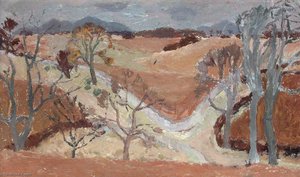
Ryc. 1. George Douglas Haig, Gateheugh. Przedstawiono jako wybraną przez Ciebie reprodukcję: , .

§ 1Dane katalogowe

Wymiary
97.0 x 130.0 cm

§ 2Abstrakcja

Opis obiektu

Experience the serene beauty of 'Gateheugh' by George Douglas Haig, a captivating landscape painting showcasing rolling hills and tranquil light. A hand-painted reproduction available.

Biografia artysty

George Douglas Haig (1918-2009) was a Scottish artist renowned for his landscape paintings of the Borders, Italy & Venice. Son of Earl Haig, he developed his style as a POW during WWII. Explore his serene scenes & vibrant watercolors.

§ 3Komentarz

A Serene Scottish Landscape: Exploring George Douglas Haig's "Gateheugh"

George Douglas Haig’s “Gateheugh” offers a captivating glimpse into the tranquil beauty of the Scottish landscape. This evocative work, rendered in oil on canvas (97 x 130 cm), showcases Haig’s mastery of light and shadow to create a scene brimming with quiet contemplation. Painted in an unknown year, it exemplifies his signature style – a blend of Impressionistic observation and Post-Impressionistic simplification that captures the essence of the natural world.

Composition & Technique: Layers of Light and Brushwork

The composition is skillfully layered to create depth and draw the viewer into the scene. The foreground features a dark, rocky outcrop bearing the artist’s signature, grounding the artwork in reality. Scattered trees populate the mid-ground, leading the eye towards a valley floor that gently slopes upwards. Distant hills fade softly into the sky, achieved through atmospheric perspective – a technique where distant objects appear lighter and less detailed to simulate how light scatters over distance. Haig’s technique is characterized by broad, visible brushstrokes, eschewing precise detail in favor of conveying the feeling and atmosphere of the landscape. This approach lends a sense of immediacy and spontaneity to the work.

Style & Symbolism: Impressionistic Echoes and Enduring Strength

“Gateheugh” draws heavily from both Impressionist and Post-Impressionist traditions. Like the Impressionists, Haig is concerned with capturing fleeting effects of light and atmosphere. However, he moves beyond their purely optical focus by simplifying forms and employing expressive brushstrokes – hallmarks of the Post-Impressionist movement. The muted color palette—predominantly earthy tones of greens, browns, purples, and pinks—contributes to a sense of peace and tranquility. The bare tree branch diagonally crossing the foreground is particularly striking; it can be interpreted as a symbol of resilience or endurance against the elements, adding a layer of symbolic depth to the otherwise serene scene.

Emotional Impact & Historical Context: A Reflection of Scottish Identity

Haig (1918-2009) was a Scottish artist renowned for his landscapes of the Borders region, Italy and Venice. Notably, he developed his distinctive style while imprisoned as a POW during World War II, finding solace and inspiration in observing the natural world around him. “Gateheugh” embodies this spirit – it evokes a profound sense of peace and quietude, inviting viewers to pause and appreciate the simple beauty of nature. The painting resonates with a distinctly Scottish sensibility, reflecting a deep connection to the land and its enduring character. Owning a hand-painted reproduction allows you to bring this tranquil scene into your home or office, creating a space that inspires calm reflection and appreciation for artistic mastery.

Pytania i odpowiedzi

Jaki jest dominujący kolor w „Gateheugh” – George Douglas Haig?

Kolorem, który najbardziej wyróżnia się w "Gateheugh", jest Putty (#cdb99f). Dominujący kolor ułatwia dopasowanie dzieła sztuki do wnętrza.

Do jakiego nurtu w sztuce należy „Gateheugh” – George Douglas Haig?

Nurt związany z „Gateheugh” – George Douglas Haig to Post-Impressionism. Ta klasyfikacja sytuuje dzieło wśród pokrewnych artystów i dzieł sztuki.

Czy dostępna jest prezentacja w formie pokazu slajdów dla „Gateheugh” – George Douglas Haig?

Prezentację slajdów utworu "Gateheugh" można obejrzeć na stronie Prezentacja slajdów tego dzieła.

§ 4Artysta

Krótkie informacje o George Douglas Haig

  • Artistic Movement Or Style: Landscape painting
  • Artists Who Influenced This Artist: ['None],\n "Artists or movements influenced by this artist": [None']
  • Date Of Birth: 1918
  • Date Of Death: 2009
  • Full Name: George Douglas Haig
  • Nationality: British
  • Notable Artworks:
    • Tweed at Makerstoun
    • Red Haired Nude
    • Gateheugh
  • Place Of Birth: Scottish Borders, UK

Biografia artysty

George Douglas Haig: A Border Painter Forged in War

George Douglas Haig (1918-2009) remains a quietly compelling figure in British art, an artist whose serene landscapes of the Scottish Borders, Italy, and Venice belie a life profoundly shaped by wartime experience. Born into privilege – the son of Earl Haig, a pivotal military leader during World War I – his artistic journey wasn’t one of formal training but rather a deeply personal evolution, blossoming unexpectedly within the confines of a Prisoner of War camp. This unique confluence of aristocratic lineage and harrowing confinement formed the bedrock of his distinctive style: a delicate balance between observation, memory, and an underlying current of melancholic beauty. His work isn't about grand pronouncements or dramatic displays; instead, it offers quiet contemplation, inviting viewers to lose themselves in the subtle shifts of light and shadow, the textures of earth and water, and the enduring spirit of place.

Early Life and Influences: A World Beyond the Battlefield

George Haig’s early years were steeped in the traditions of Scottish aristocracy. He was born at Charlotte Square in Edinburgh, a world away from the trenches of the Western Front. His father, John Richard Haig, headed the renowned whisky distillery, creating a comfortable yet somewhat detached existence. Haig received his education at prestigious institutions like Stowe School and Christ Church, Oxford, where he pursued studies in political economy and ancient history – subjects that would later subtly inform his artistic perspective, fostering an appreciation for historical context and the enduring nature of landscapes. Crucially, however, it was a period marked by social indulgence, exemplified by membership in the Bullingdon Club, a notorious institution associated with extravagant spending and a disregard for societal constraints. This backdrop of privilege, juxtaposed against the realities of his father’s industry, likely contributed to a certain detachment – a characteristic that would later manifest in his art's measured observation rather than passionate expression. The outbreak of World War I dramatically altered the course of Haig’s life. His military service began with a posting to Palestine and North Africa, experiences which, while undoubtedly formative, were overshadowed by his capture and subsequent imprisonment as a Prisoner of War in Italy and Germany. It was during this period, specifically within the confines of Colditz Castle – a notorious Prussian POW camp – that Haig’s artistic talent truly flourished. Deprived of external stimulation, he turned to sketching and painting using charcoal and whatever materials he could scavenge, transforming his confinement into an unexpected crucible for creativity. The stark realities of imprisonment, coupled with the beauty of the surrounding landscapes glimpsed through the camp's windows, profoundly influenced his later work, imbuing it with a sense of quiet resilience and a poignant awareness of time’s passage.

The Art of Observation: Style and Technique

Haig’s artistic style is immediately recognizable for its understated elegance and meticulous attention to detail. He eschewed bold brushstrokes or dramatic color palettes, instead favoring a delicate, almost watercolor-like approach. His landscapes are characterized by subtle gradations of tone, capturing the ephemeral qualities of light and atmosphere with remarkable precision. He was particularly adept at rendering textures – the rough bark of trees, the rippling surface of water, the undulating contours of hillsides – creating an illusion of tactile reality. This meticulous observation is evident in works like “Tweed at Makerstoun” (1991), a serene depiction of the Scottish Borders that showcases his mastery of capturing the subtle nuances of light and shadow. His wartime experience undoubtedly shaped this approach. The necessity of observing carefully, of distilling essential details from fleeting glimpses, honed his ability to capture the essence of a scene with remarkable economy. Furthermore, the limitations imposed by his confinement fostered a sense of restraint – a deliberate choice not to overwhelm the viewer with excessive detail or emotional intensity. Instead, he invites us to linger, to contemplate the quiet beauty of the natural world and to reflect on its enduring presence.

Major Works and Notable Paintings

Haig’s artistic output spanned several decades, encompassing landscapes primarily from the Borders region of Scotland, as well as evocative scenes from Italy and Venice. “Tweed at Makerstoun” (1991) stands out for its masterful depiction of the Scottish landscape, capturing the tranquility of the Borders with a remarkable sense of atmosphere. “Gateheugh” (circa 1960s), another significant work, showcases his ability to convey the serene beauty of rolling hills and the play of light on water. “Red Haired Nude” (1954) offers a more intimate portrait, capturing a woman in a contemplative pose within a simple, yet elegant setting – a testament to his skill in portraying human figures with sensitivity and grace. These paintings, along with numerous others, demonstrate a consistent commitment to observation, detail, and a profound appreciation for the beauty of the natural world.

Legacy and Historical Significance

George Douglas Haig’s artistic legacy is one of quiet contemplation and understated elegance. While he never achieved widespread fame during his lifetime, his work has gained increasing recognition in recent years, appreciated for its technical skill, emotional depth, and poignant reflection on the human condition. His art offers a unique window into the life of an aristocrat shaped by war, a man who found solace and expression through the act of observation and representation. His connection to Earl Haig, a figure inextricably linked to the First World War, adds another layer of historical significance to his work – a reminder that even amidst the chaos and tragedy of conflict, beauty can endure and find its voice in unexpected forms. His paintings serve as a testament to the power of art to transcend personal circumstances and connect us with the enduring spirit of place and time.

§ 5Podobne dzieła

§ 6Pytania

Najważniejsze informacje

  • Artist: George Douglas Haig
  • Influences: Impressionism
  • Subject or theme: Rolling hills and valleys
  • Movement:
    • Impressionism
    • Post-Impressionism
  • Title: Gateheugh

Quiz o sztuce

Do każdego pytania dotyczy tylko jedna poprawna odpowiedź.

Pytanie 1:
What is the primary subject matter depicted in George Douglas Haig’s "Gateheugh?"
Pytanie 2:
Which artistic style does 'Gateheugh' most closely resemble?
Pytanie 3:
What is a prominent feature contributing to the sense of depth in the artwork?
Pytanie 4:
What is suggested by the bare tree branch in the foreground?

§ 7Cytuj ten wpis

AllPaintingsStore.com, “George Douglas Haig, Gateheugh”, https://allpaintingsstore.com/pl/art/george-douglas-haig-gateheugh-AQUG9W-en/ArtistReproduction/ (dostęp dnia 13 Październik 2026).

§ 8Reprodukcja dzieła

Ręcznie malowana reprodukcja olejowa

Ręcznie malowany obraz olejny na płótnie, wykonany na zamówienie przez naszych artystów w wybranym przez Ciebie wymiarze i oprawie. ( Przełącz na wydania drukowane Przejdź do wersji cyfrowej)

Informacja ta widnieje na marginesie arkusza zamówienia; obecny stan tego arkusza przedstawia się następująco.

Gateheugh

Technika reprodukcji

Wymiary reprodukcji

-

Wybitny mistrz artystyczny

Większa szczegółowość, finezja i dodatkowy czas na realizację

-

Opcje oprawy reprodukcji

-

-

W przypadku dzieł sztuki lub reprodukcji, których którykolwiek z boków przekracza 105 cm (około 41 cali), rama zostanie wysłana w formie zestawu do samodzielnego montażu. Metoda ta zapewnia bezpieczną dostawę i zapobiega uszkodzeniom podczas transportu.

Wymagany profesjonalny montaż – nie jest to produkt typu DIY.
Zestaw musi zostać złożony, a płótno naciągnięte przez doświadczonego profesjonalnego ramiarza, przy użyciu kleju do drewna (brak w zestawie), kleszczy do naciągania płótna oraz ścisków, które utrzymają krosna w równej pozycji podczas schnięcia kleju. Nieprawidłowy montaż lub nierównomierne napięcie płótna może trwale uszkodzić dzieło sztuki i nie podlega naszej gwarancji.

  • W zestawie znajdują się wszystkie listwy z litego drewna, precyzyjnie docięte do wymiarów.

  • Montaż odbywa się przy użyciu dołączonych wkrętów oraz kleju do drewna do łączenia narożników, którego zestaw nie zawiera i który musi zostać dostarczony przez ramiarza.

  • Wymagane są profesjonalne narzędzia, których nie ma w zestawie: kleszcze do naciągania płótna (napinacz) oraz zaciski, które pozwolą utrzymać listwy w równej pozycji podczas schnięcia kleju.

Ważne:
Do połączenia narożników niezbędny jest klej do drewna, listwy należy unieruchomić za pomocą ścisków do momentu całkowitego wyschnięcia kleju, a naciągnięcie płótna na złożoną ramę wymaga użycia kleszczy do naciągania płótna. Żaden z tych elementów nie jest dołączony do zestawu. Przed zamówieniem tego rozmiaru zalecamy konsultację z doświadczonym ramiarzem.

Etykieta obiektu

-

-

Lakier ochronny

Lakier z połyskiem (pogłębia kolory, chroni przed światłem i wilgocią)

-

Personalizacja dzieła

Przykłady możliwości personalizacji: zastąp twarz zdjęciem klienta; dodaj zwierzę domowe (np. zamień kota na psa); umieść ukrytą wiadomość w tle; zmień krajobraz lub elementy tła.

-

Ekspresowa

Dostawa na cały świat () w ciągu 3–4 tygodni zamiast standardowych 5 tygodni. (10 Listopad). Bez kompromisów w kwestii jakości.

-

Przesyłka ekspresowa

Dostawa na cały świat () w ciągu 5 tygodni. (17 Listopad).

W cenie

Cena całkowita

zł 1013

W każdym zamówieniu

  • Bezpłatna ekspresowa wysyłka na cały świat
  • Wysokiej jakości płótno lniane
  • Pełne ubezpieczenie przesyłki
  • Gwarancja zwrotu należności celnych i podatków importowych
  • Gwarancja wiernego odwzorowania kolorów
  • 100-dniowa polityka zwrotów (tylko w przypadku wad)
  • Gwarancja 100% zwrotu pieniędzy
  • Zniżka przy zakupie wielu sztuk
Arkusz zamówień