


 Zobacz w skali 1:1
 Wyślij
 Udostępnij
 Szczegóły
 Guide
Guide

 Pobierz plik obrazu
 Podobne obiekty
 RTG
RTG Pokaz slajdów
 Statystyki
The orphans

 Czytaj więcej
Ręcznie malowana reprodukcja olejowa
Ręcznie malowany obraz olejny na płótnie, wykonany na zamówienie przez naszych artystów w wybranym przez Ciebie wymiarze i oprawie. ( Przełącz na wersję drukowaną Przełącz na wersję cyfrową)




































Wybierz spośród naszych standardowych rozmiarów, które zachowują oryginalne proporcje dzieła sztuki.

Możesz wprowadzić własne wymiary, aby dopasować obraz do konkretnej ramy lub przestrzeni. Jeśli wybrany rozmiar nie będzie odpowiadał proporcjom oryginału, przytniecie dzieło sztuki lub rozszerzymy je o dodatkowe elementy, ręcznie domalowane przez artystę. Przed rozpoczęciem produkcji wyślemy projekt cyfrowy do Twojej akceptacji.
Należy pamiętać, że podgląd na ekranie nie odzwierciedla rzeczywistego przycinania ani rozszerzania obrazu. Tylko projekt dokładnie pokaże ostateczną kompozycję.
Choć oferujemy możliwość zamówienia niestandardowych rozmiarów, zalecamy wybór wymiaru z gotowej listy, aby zachować oryginalne proporcje dzieła.
Po złożeniu zamówienia zespół AllPaintingsStore.com skontaktuje się z klientem drogą mailową w celu uzyskania instrukcji i prześle wizualizację projektu
Dostawa na całym świecie () w ciągu 3–4 tygodni zamiast standardowych 5 tygodni. (21 Wrzesień). Bez kompromisów w kwestii jakości.

Bezpłatna ekspresowa wysyłka na cały świat

Wysokiej jakości płótno lniane

Pełne ubezpieczenie transportowe

Gwarancja zwrotu należności celnych i podatków importowych

Gwarancja idealnego odwzorowania barw

100-dniowy okres na zwrot dzieła w przypadku wykrycia wad produkcyjnych

Gwarancja 100% zwrotu pieniędzy

Oferta przy zakupie wielu sztuk
 Opcja ze szkłem jest dostępna wyłącznie w rozmiarach poniżej 110 cm

The orphans
Technika wykonania
Rozmiar reprodukcji
-


Suma do zapłaty
$ 283
Podobne dzieła


Biografia artysty
The Visionary of Victorian Life: The Journey of George Elgar Hicks
In the heart of the Victorian era, a period defined by rapid industrial expansion and profound social shifts, there emerged an artist capable of capturing the very pulse of modern existence. George Elgar Hicks (1824–1914) was not merely a painter of scenes, but a chronicler of the human condition within the bustling landscapes of nineteenth-century Britain. Born in Lymington, Hampshire, to a wealthy magistrate, Hicks’s early path seemed destined for the clinical precision of medicine. He spent several years immersed in arduous medical studies at University College London, yet the calling of the brush proved far more irresistible than the stethoscope. This transition from science to art brought with it a unique perspective—a meticulous eye for detail and an almost anatomical understanding of the social fabric he would later depict.
The early years of Hicks’s career were marked by a quiet struggle, as he balanced the heavy responsibilities of a burgeoning family with his artistic ambitions. Following his marriage to Maria Hariss in 1847, the arrival of eight children within a short span created a domestic whirlwind that often left his studio time sparse. He himself reflected on this period with a touch of melancholy, describing his early works as “small and unimportant.” However, it was precisely this intimate connection to family life and social dynamics that would eventually infuse his larger-than-life compositions with a profound psychological depth. He learned to observe the subtle nuances of emotion—the tenderness of a mother, the exhaustion of a laborer, and the quiet dignity of the working class—elements that would become the soul of his later masterpieces.
Mastery of the Genre: Emulating Greatness and Finding a Voice
Hicks’s artistic identity was inextricably linked to the dramatic, panoramic style pioneered by William Powell Frith. While some critics might have viewed him as a mere imitator, Hicks achieved something far more significant: he took the template of the large-scale genre painting and applied it to subjects that were uniquely his own. He possessed an uncanny ability to populate vast canvases with a diverse array of social classes, creating a theatrical stage where the mundane and the monumental met. His breakthrough came in 1859 with “Dividend Day at the Bank of England,” a work that captured the collective anticipation and social hierarchy of a pivotal moment in British commerce.
As his confidence grew, so did the scope of his subjects. Hicks ventured into the crowded, noisy corners of London life that many of his contemporaries avoided. His repertoire included:
- The General Post Office: One minute to 6 – A frantic, detailed exploration of urban urgency and bureaucratic rhythm.
- Billingsgate Fish Market – A sensory immersion into the grit, movement, and commerce of London’s most famous market.
- Changing Homes – A poignant look at the domestic transitions and social mobility of the era.
A Lasting Legacy in the Victorian Tapestry
Beyond the grand, crowded panoramas, Hicks also demonstrated a remarkable versatility, moving between the monumental and the intimate. His ability to pivot toward society portraiture allowed him to capture the elegance of the upper echelons, while his smaller works, such as the tender watercolor “Good Night,” showcased a softer, more romantic side of his talent. This duality—the ability to command a massive canvas with social drama and to whisper through a delicate pastel—is what defines his historical significance.
Ultimately, George Elgar Hicks remains a vital figure for understanding the Victorian zeitgeist. He did not just paint people; he painted the movement of an era. His work serves as a visual archive of a world in transition, documenting the intersection of tradition and progress. Though his style was rooted in the traditions of his predecessors, his dedication to portraying the authentic, unvarnished details of everyday life ensured that his place in the pantheon of British art would remain secure, offering a window into a vanished world that continues to captivate the modern imagination.

George Elgar Hicks
1824 - 1914 , United Kingdom
Najważniejsze informacje
- Artistic Movement Or Style: Victorian Painting; Frith Imitation
- Artists Who Influenced This Artist: ['William Powell Frith']
- Date Of Birth: 1824
- Date Of Death: 1914
- Full Name: George Elgar Hicks
- Nationality: English
- Notable Artworks:
- Dividend Day at the Bank of England
- The General Post Office
- Billingsgate Fish Market
- Changing Homes
- Three Young Cricketers
- The Orphans
- Place Of Birth: Lymington, United Kingdom
Zobacz także powiązane artykuły

George Goodwin Kilburne: Capturing Victorian Sentimentality Through Genre Painting
Explore the evocative Victorian paintings of George Goodwin Kilburne. Discover his detailed scenes of domestic life, masterful use of light, and lasting impact on British genre painting. Learn more at AllPaintingsStore.
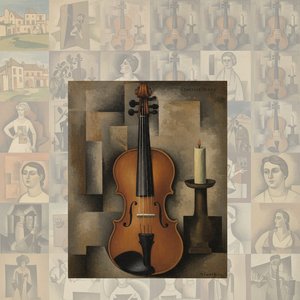
Georges Braque: 25 Arcydzieł Kubizmu i Nowoczesnej Sztuki | AllPaintingsStore.com
Odkryj 25 arcydzieł Georges'a Braque – pioniera kubizmu i malarstwa nowoczesnego. Poznaj historię, techniki i inspiracje za jego najsłynniejszymi obrazami. Reprodukcje najwyższej jakości na AllPaintingsStore.com! Eksploruj pełną kolekcję online.

Georges Seurat: 25 Arcydzieł Punktalizmu dla Twojego Domu | AllPaintingsStore.com
Odkryj 25 arcydzieł Georges'a Seurata! Poznaj historię punktalizmu, impresjonistyczne pejzaże i fascynującą technikę malarską. Reprodukcje obrazów najwyższej jakości na AllPaintingsStore.com – inspiracje do Twojego wnętrza. Eksploruj pełną kolekcję online!

George Hayter: Portraiture, Power & Victorian Society's Canvas
Explore the life & work of George Hayter, Queen Victoria’s Principal Painter. Discover his iconic Victorian portraits, historical masterpieces, and lasting impact on British art history. Learn more at AllPaintingsStore.

Saint George in Art: A Scholarly Exploration of Iconic Masterpieces and Eternal Legends
Delve into the profound legacy of Saint George through art history. Explore iconic masterpieces by Raphael and Dürer, decoding the iconography of the dragon legend. Discover scholarly insights and bring these timeless tales to life with our museum-quality, hand-painted oil reproductions.

