


 Zobacz w skali 1:1
 Wyślij
 Udostępnij
 Szczegóły
 Przewodnik

 Pobierz plik obrazu
 Podobne obiekty
 RTG
RTG Pokaz slajdów
 Statystyki
View in Suffolk

 Czytaj więcej
Ręcznie malowana reprodukcja olejowa
Ręcznie malowany obraz olejny na płótnie, wykonany na zamówienie przez naszych artystów w wybranym przez Ciebie wymiarze i oprawie. ( Przełącz na wersję drukowaną Przełącz na wersję cyfrową)




P118B zł10

P118H zł10

P118W zł10

P438Z zł10

P508JH zł12

P508YH zł12

P805H zł10

P805Z zł10

P919BZ zł10

P919G zł10

P919XJ zł10

P959ZH zł10

P968JZ zł12

W106C zł8

W218G zł10

W218JH zł8

W218Y zł10

W307PJ zł10

W316G zł10

W316PJ zł8

W316Y zł10

W398PJ zł8

W4111J zł10

W500HY zł15

W500JH zł15

W692G zł12

W849H zł8

W940BG zł15

W953PJ zł8




Wybierz spośród naszych standardowych rozmiarów, które zachowują oryginalne proporcje dzieła sztuki.

Wpisz wymaganą szerokość i wysokość, aby obraz pasował do Twojej ramy lub ściany. Ponieważ jest to dzieło malowane ręcznie, w przypadku rozmiaru o innym proporcji artysta może domalować nieco więcej wokół obrazu lub przyciąć fragmenty — wybór należy do Ciebie. Przed rozpoczęciem pracy prześlemy Ci cyfrową wizualizację do zatwierdzenia. Obraz widoczny na tej stronie nie przedstawia rzeczywistego efektu — jedynie wizualizacja oddaje realny rezultat.
Po złożeniu zamówienia zespół AllPaintingsStore.com skontaktuje się z klientem drogą mailową w celu uzyskania instrukcji i prześle wizualizację projektu
Dostawa na całym świecie () w ciągu 3–4 tygodni zamiast standardowych 5 tygodni. (24 Październik). Bez kompromisów w kwestii jakości.

Bezpłatna ekspresowa wysyłka na cały świat

Wysokiej jakości płótno lniane

Pełne ubezpieczenie transportowe

Gwarancja zwrotu należności celnych i podatków importowych

Gwarancja idealnego odwzorowania barw

100-dniowy okres na zwrot dzieła w przypadku wykrycia wad produkcyjnych

Gwarancja 100% zwrotu pieniędzy

Oferta przy zakupie wielu sztuk
 Opcja ze szkłem jest dostępna wyłącznie w rozmiarach poniżej 110 cm

View in Suffolk
Technika wykonania
Rozmiar reprodukcji
-


Suma do zapłaty
zł 990
Podobne dzieła


Biografia artysty
A Norfolk Son: The Life and Art of George Vincent
George Vincent, born in Norwich in 1796, remains a compelling figure within the constellation of the Norwich School painters. His story is one interwoven with both artistic promise and personal tragedy, a narrative reflective of the challenges faced by many artists navigating the burgeoning art world of 19th-century England. The son of James Vincent, a weaver specializing in shawls, and Mary Freeman, young George experienced early loss with the passing of an older brother in infancy. This formative experience perhaps instilled within him a sensitivity that would later permeate his evocative landscapes. Educated at Norwich School, he quickly found himself immersed in a vibrant artistic milieu, forging close bonds with Frederick and John Berney Crome – sons of the pivotal John Crome, who would become Vincent’s mentor and profoundly shape his artistic trajectory. This apprenticeship was crucial; it wasn't merely technical instruction but an immersion into the very ethos of the Norwich School, alongside fellow pupils like James Stark. The influence of Dutch landscape masters, a hallmark of Crome’s own aesthetic, began to subtly infuse Vincent’s early work, hinting at the unique blend that would define his style.Early Artistic Development and Influences
Vincent's artistic journey commenced under the watchful eye of John Crome, whose unwavering dedication to portraying Norfolk’s rural beauty served as an undeniable inspiration. This mentorship extended beyond mere instruction in painting techniques; it instilled within Vincent a profound appreciation for capturing the essence of place—the subtle shifts in light and color, the textures of soil and foliage, and the quiet dignity of everyday life. Like Crome himself, Vincent embraced the Dutch landscape tradition, recognizing its emphasis on atmospheric perspective and meticulous detail as invaluable tools for conveying emotion and realism. Artists such as Rembrandt and Jacob van Ruysdael profoundly impacted Vincent’s artistic sensibilities, encouraging him to strive for a similar level of expressive power and technical mastery. The Norwich School's collective spirit—a shared commitment to honest observation and emotional resonance—further nurtured Vincent’s creative vision.Parisian Exposure and Artistic Refinement
A brief but formative trip to Paris in 1816 with John Berney Crome and Benjamin Steel broadened Vincent’s artistic horizons considerably. This excursion exposed him to the wider European art scene, fostering an awareness of innovative approaches to painting and stimulating his intellectual curiosity. He encountered Impressionist artists experimenting with fleeting moments of light and color—a stylistic departure from the prevailing academic tradition—and absorbed insights into compositional techniques that would inform his later works. Vincent’s Parisian experience solidified his conviction that artistic excellence demanded constant engagement with new ideas and influences, propelling him toward a more sophisticated understanding of visual art.Norwich School Contributions and Notable Paintings
Vincent quickly established himself as one of the foremost artists associated with the Norwich School, cementing its reputation for authentic depictions of Norfolk’s landscapes. His canvases—such as “A Harbour Scene in the Isle of Wight,” “On the River Yare, Norfolk,” and “Castle Ashby, Northamptonshire”—capture the serene beauty of rural England with remarkable precision and emotional depth. Vincent's meticulous attention to detail—the subtle gradations of color, the careful rendering of textures—mirrors the Dutch landscape tradition he championed, demonstrating his mastery of technique while conveying a palpable sense of atmosphere. His paintings are not merely representations of scenery; they are expressions of feeling, imbued with a quiet dignity and poetic sensibility that resonate powerfully with viewers today.Later Life and Legacy
Vincent’s life was tragically curtailed by illness in 1831, leaving behind a legacy of accomplished artwork—a testament to his talent and unwavering dedication to his craft. Despite facing considerable hardship during his final years—including imprisonment due to mounting debts—Vincent persevered in pursuing his artistic endeavors, selling paintings to sustain himself and maintaining an unwavering connection to the landscapes that inspired him. His story serves as a poignant reminder of the challenges faced by artists throughout history—the constant struggle for patronage, the vulnerability to financial ruin, and the often-tragic consequences of personal circumstances. Nevertheless, George Vincent’s contribution to British art remains undeniable: he helped define the Norwich School's aesthetic, establishing its reputation for honest observation and emotional resonance, and securing his place as one of England’s most celebrated landscape painters. His incorporation of Dutch landscape painting techniques brought a unique perspective to British art, emphasizing realism and atmospheric detail in a way that distinguished him from many of his contemporaries.
George Vincent
1796 - 1831 , Wielka Brytania
Najważniejsze informacje
- Artistic Movement Or Style: Norwich School
- Artists Who Influenced This Artist:
- John Crome
- Mistrzowie Holenderscy
- Date Of Birth: 1796
- Date Of Death: c. 1832
- Full Name: George Vincent
- Nationality: Brytyjski
- Notable Artworks:
- Scena portową Wyspy Wight
- Rzeka Yare, Norfolk
- Zamków Ashby, Northamptonshire
- Place Of Birth: Norwich, UK
Zobacz także powiązane artykuły
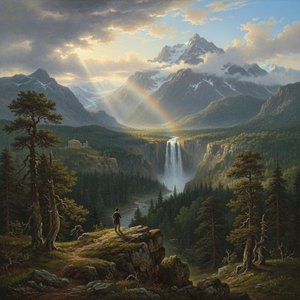
Evoking Nature's Sublime: A Comprehensive Exploration of 19th-Century Landscape Painting
Explore the captivating world of 19th-century landscape painting! Discover renowned artists like Friedrich & Monet, key movements, and find the perfect artwork to bring nature's serenity into your home. Expert insights at AllPaintingsStore.
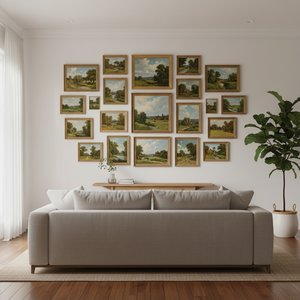
John Constable: 25 Najlepszych Obrazów Mistrza Angielskiego Krajobrazu | AllPaintingsStore
Odkryj 25 arcydzieł Johna Constable'a – mistrza angielskiego krajobrazu! Poznaj romantyczne pejzaże, technikę malarską i inspiracje z Dedham Vale. Reprodukcje obrazów najwyższej jakości na AllPaintingsStore.com. Eksploruj pełną kolekcję online!

Wiejskie Krajobrazy w Sztuce: Studium Ikonografii, Emocji i Społecznego Kontekstu
Odkryj fascynujący świat wiejskich krajobrazów w sztuce! Studium ikonografii, emocji i społecznego kontekstu malarstwa. Ekspercka analiza, inspiracje i możliwość zakupu reprodukcji na AllPaintingsStore.

Romantyczny Krajobraz w Malarstwie: 10 Arcydzieł, Które Zdefiniowały Epokę | AllPaintingsStore.com
Odkryj 10 arcydzieł romantyzmu w malarstwie! Poznaj historie Caspara Davida Friedricha, Turnera i innych mistrzów. Inspiracje wnętrzarskie & reprodukcje obrazów najwyższej jakości na AllPaintingsStore.com. Eksploruj kolekcję online!

Evoking Arcadia: A Historical & Aesthetic Exploration of Rural Landscape Art
Explore the rich history of pastoral landscape art, from classical Arcadia to Impressionism & beyond. Discover key artists, movements, and how to collect serene rural scenes for your home. Expert insights at AllPaintingsStore.

