


 Podgląd w skali 1:1
 Wyślij jako kartkę
 Udostępnij
 Szczegóły dzieła
 Przewodnik

 Pobierz obraz
 Podobne obiekty
 RTG
RTG Pokaz slajdów
 Statystyki
Hunting

 Rozwiń treść
Dzieło sztuki prezentowane na tej stronie podlega ochronie prawem autorskim, co oznacza, że nie mamy prawa do tworzenia ani sprzedaży jego identycznej reprodukcji. Ochrona ta jest egzekwowana na mocy umów międzynarodowych, takich jak Konwencja berneńska oraz przez przepisy prawa krajowego, w tym te określone w Prawo autorskie USA – Tytuł 17.
Metoda ta jest w pełni zgodna z przepisami prawa autorskiego, ponieważ nie polega na kopiowaniu ani powielaniu chronionego dzieła. Stanowi ona kreatywną reinterpretację – nowy obraz, który czerpie inspirację z oryginału, ale nie jest z nim tożsamy.
Giclée / Wydruk artystyczny
Wydruki giclée lub płótna o jakości muzealnej, szybka realizacja i szeroki wybór opcji wykończenia. ( Zamów ręcznie malowaną reprodukcję Przejdź do wersji cyfrowej)




P118B zł10

P118H zł10

P118W zł10

P438Z zł10

P508JH zł12

P508YH zł12

P805H zł10

P805Z zł10

P919BZ zł10

P919G zł10

P919XJ zł10

P959ZH zł10

P968JZ zł12

W106C zł8

W218G zł10

W218JH zł8

W218Y zł10

W307PJ zł10

W316G zł10

W316PJ zł8

W316Y zł10

W398PJ zł8

W4111J zł10

W500HY zł15

W500JH zł15

W692G zł12

W849H zł8

W940BG zł15

W953PJ zł8




Wybierz spośród naszych standardowych rozmiarów, które zachowują oryginalne proporcje dzieła sztuki.

Wpisz wymaganą szerokość i wysokość, aby dopasować grafikę do ramy lub ściany. Wydruk można jedynie przyciąć, nigdy nie powiększając go poza oryginalny obraz, dlatego format o innych proporcjach spowoduje utratę części kompozycji. Przed rozpoczęciem druku prześlemy Ci cyfrowy podgląd do zatwierdzenia. Obraz wyświetlany na tej stronie nie pokazuje rzeczywistego przycięcia — jedynie podgląd oddaje ten efekt.
Dostawa na cały świat () w ciągu 2 tygodni zamiast standardowych 4/5 tygodni. (27 Październik)

Bezpłatna ekspresowa wysyłka na cały świat

Wysokiej jakości płótno lniane

Pełne ubezpieczenie przesyłki

Gwarancja zwrotu należności celnych i podatków importowych

Gwarancja wiernego odwzorowania kolorów

100-dniowa polityka zwrotów (tylko w przypadku wad)

Gwarancja 100% zwrotu pieniędzy

Zniżka przy zakupie wielu sztuk
 Opcja ze szkłem jest dostępna wyłącznie w rozmiarach poniżej 110 cm

Hunting
Giclée / Wydruk artystyczny
Wymiary reprodukcji
-


Cena całkowita
zł 246
A Moment of Focused Pursuit: Georges Braque's "Hunting"
Georges Braque’s Hunting, a deceptively simple depiction of a dog intently pursuing a snail across a grassy field, is far more than a pastoral snapshot. Painted around 1908-1912 during the nascent stages of Cubism, this work embodies the artist's radical experimentation with perspective and form – a pivotal moment in the history of modern art. It’s a study in controlled chaos, capturing not just the visual reality of the scene but also the internal state of observation and the fragmented nature of perception itself. The painting immediately draws the eye to the dog, rendered with a remarkable intensity of focus; its posture, almost rigid, speaks volumes about the single-mindedness of its pursuit. The snail, in contrast, is presented as a small, vulnerable element, yet it holds the center of attention through Braque’s masterful manipulation of space and color.

The Seeds of Cubism: Deconstructing Reality
Braque's exploration of Hunting is deeply rooted in the intellectual currents swirling around him at the time – particularly his close collaboration with Pablo Picasso. Both artists were grappling with how to represent three-dimensional space on a two-dimensional surface, rejecting traditional perspective and embracing a more fractured, analytical approach. The painting’s flattened planes, geometric shapes, and multiple viewpoints are hallmarks of this early Cubist style. Notice how the dog isn't depicted as a single, unified form but is broken down into interlocking facets, suggesting its presence from various angles simultaneously. Similarly, the field itself seems to dissolve into a series of overlapping rectangles and lines, creating an illusion of depth through spatial layering rather than linear recession.
- Analytical Cubism: The painting exemplifies Analytical Cubism, characterized by a monochromatic palette (primarily browns, grays, and ochres) and the reduction of objects to their essential geometric forms.
- Influence of Cézanne: Braque’s work was profoundly influenced by Paul Cézanne's late paintings, particularly his emphasis on geometric simplification and the use of multiple viewpoints. Cézanne’s exploration of form as an independent entity—a concept that resonated deeply with Braque—provided a crucial foundation for Cubism’s development.
- Breaking from Tradition: The deliberate distortion of perspective and the rejection of realistic representation signaled a decisive break from centuries of artistic convention, marking a fundamental shift in how artists perceived and depicted the world.
Symbolic Layers & Emotional Resonance
Beyond its purely formal innovations, Hunting carries subtle symbolic weight. The act of hunting itself can be interpreted as representing humanity’s relentless pursuit of knowledge, control, or even simply pleasure. The snail, a symbol of slowness, persistence, and perhaps vulnerability, becomes an unexpected focal point – a reminder that even the smallest and most seemingly insignificant elements deserve our attention. The bowl and vase in the background, though seemingly incidental, add to the painting’s domesticity and suggest a quiet, contemplative scene—a contrast to the dynamic action of the hunt. The overall effect is one of restrained energy, capturing a fleeting moment of intense concentration and hinting at the underlying complexities of observation.
A Reproduction for Your Space: Bringing Braque Home
AllPaintingsStore offers meticulously crafted hand-painted reproductions of Georges Braque’s Hunting, allowing you to bring this seminal work into your home or office. Our artists utilize traditional oil painting techniques and archival-quality materials to faithfully recreate the original's textures, colors, and nuances. Whether you are a seasoned art collector or simply seeking a unique piece of modern art to elevate your décor, our reproductions provide an authentic and affordable way to experience the genius of Georges Braque. Consider how this dynamic composition will interact with your existing space – its fragmented forms and earthy tones offering a stimulating counterpoint to more conventional interiors. Explore our range of sizes and framing options to find the perfect fit for your personal style.
Pytania i odpowiedzi
Jak technika i ruch łączą się w "Hunting"?
"Hunting" powstało przy użyciu Acrylic On Canvas, w stylu Cubism.
Do jakiego nurtu w sztuce należy „Hunting” – Georges Braque?
„Hunting” to dzieło należące do nurtu Cubism. Nurt ten określa tradycję artystyczną, w której osadzone jest dzieło.
Jaki układ ma „Hunting” – Georges Braque?
Dzieło „Hunting” – Georges Braque ma format Landscape. Format ten określa proporcje kompozycji.
Podobne dzieła


Biografia artysty
Early Life and Artistic Foundations
Georges Braque, urodzony w Argenteuil, Francja, w 1882 roku, rozpoczął drogę artystyczną głęboko związana z ewolucją krajobrazu sztuki nowoczesnej. Jego wychowanie w rodzinie malarzy i dekoratorów nie tylko zapewniło mu biegłość techniczną w materiałach, ale także od najmłodszych lat rozwijało go docenianie formy i struktury. Początkowo podążając za ścieżką ojca, intuicja artystyczna Braque szybko popchnęła go ku formalnemu szkoleniu w École des Beaux-Arts w Le Havre, otwierając drogę do zostania jednym z najbardziej wpływowych malarzy XX wieku. Ta fundacja – połączenie praktycznej rzemiosła i studiów akademickich – okazała się kluczowa, ponieważ później dekonstruował i odtwarzał tradycyjne konwencje artystyczne.
Przenosząc się do Paryża w 1902 roku, Braque kontynuował studia w Académie Humbert, zanurzając się w tętniącym życiem środowisku artystycznym miasta. To właśnie tutaj poznał takich artystów jak Marie Laurencin i Francis Picabia, tworząc więzi, które ukształtowały jego rozwój wczesny. Jego początkowe prace odzwierciedlały wpływy impresjonizmu i postimpresjonizmu, ale kluczowe spotkanie z odważnymi kolorami i ekspresyjną wolnością fauwistów w 1905 roku zapaliło nową drogę w jego eksploracji artystycznej.
The Embrace of Fauvism and the Dawn of Cubism
Adopcja przez Braque zasad fauwizmu – charakteryzująca się intensywnymi, nienaturalistycznymi kolorami i ekspresją emocjonalną – doskonale ilustruje się w obrazach takich jak The Patience. Okres ten widniał przy jego boku artyści, tacy jak Henri Matisse i André Derain, eksperymentując z żywymi paletami i uproszczonymi formami. Jednak zaangażowanie Braque w fauwizm nie było jedynie naśladowcze; wzbogacił je o unikalną wrażliwość, łagodząc niekontrolowaną ekscytację ruchu, wprowadzając bardziej powściągliwy i analityczny podchod.
Przełom nastąpił w 1907 roku dzięki spotkaniu z wystawą retrospektywną dzieł Paula Cézanne’a. Nacisk Cézanne'a na formy geometryczne i wielotomowe perspektywy głęboko wpłynął na Braque, przygotowując grunt pod jego przełomową współpracę z Pablo Picasso. Od 1908 roku ci dwaj artyści-legenda rozpoczęli intensywne intelektualne wymiany, które dały początek kubizmowi – rewolucyjnemu ruchowi, który zburzył tradycyjne koncepcje reprezentacji. Braque i Picasso wspólnie opracowywali analizujący kubizm, rozkładając obiekty na geometryczne kształty i prezentując je z wielu perspektyw jednocześnie, kwestionując percepcję przestrzeni, formy i rzeczywistości widza.
Wczesne prace, takie jak Houses at L'Estaque, demonstrują ten wczesny etap, ukazując radykalną odmienność od konwencjonalnej perspektywy i skupienie na podstawowej strukturze form. Paleta była celowo przygaszona, podkreślając formę nad kolorem, aby reprezentować całość obecności obiektu, a nie tylko jego wygląd.
Innovation Through Fragmentation and Collage
Współpraca Braque z Picasso kontynuowała rozszerzanie granic ekspresji artystycznej, prowadząc do rozwoju syntetycznego kubizmu około 1912 roku. Ta faza obejmowała wprowadzenie kolażu – włączania rzeczywistych materiałów, takich jak wycinki gazet, papier ścierny i tkaniny, do obrazów. Ta innowacja podważała tradycyjną hierarchię między malarstwem a rzeźbiarstwem, zacierając granice między sztuką a życiem.
Pionierskie użycie Braque’a *papier collé* (pasted paper) stanowiło znaczący punkt zwrotny w jego rozwoju artystycznym. Włączając fragmenty codziennych przedmiotów do swoich kompozycji, zakłócał iluzoryczną przestrzeń tradycyjnego malarstwa i wprowadzał nowy poziom materialności i faktury.
Wypadek I wojny światowej w 1914 roku przerwał tę intensywną współpracę, ponieważ Braque został wezwany do służby wojskowej. Doświadczenia wojenne głęboko wpłynęły na jego wizję artystyczną, prowadząc go do eksploracji bardziej osobistych i lirycznych tematów w swojej twórczości powojennej.
Later Years and Enduring Legacy
Po wojnie Braque’s style ewoluował poza ścisłe ramy kubizmu, integrując elementy klasycznej kompozycji i odnowione zainteresowanie pejzażem. Mimo że zachowywał geometryczne wpływy, które definiowały jego wcześniejsze prace, rozwijał bardziej wyrafinowaną i kontemplacyjną metodę malowania. Jego późniejsze krajobrazy i wnętrza charakteryzują się spokojną atmosferą i subtelnymi harmoniami kolorów.
Przez całą karierę Braque pozostawał zaangażowany w eksplorację podstawowych zasad formy, przestrzeni i reprezentacji. Kontynuował eksperymentowanie z różnymi materiałami i technikami, rozszerzając granice ekspresji artystycznej do śmierci w 1963 roku. Jego wpływ na kolejne pokolenia artystów jest niezrównany, kształtując bieg historii sztuki nowoczesnej i inspirując wielu malarzy, rzeźbiarzy i twórców kolażu.
Influences and Notable Works
- Influenced By: Henri Matisse, André Derain, Paul Cézanne
- Key Works: Houses at L'Estaque, The Patience, Violin and Palette, Mandola
- Impact on Art History: Revolutionized 20th-century art through Cubism; challenged traditional notions of perspective and representation.
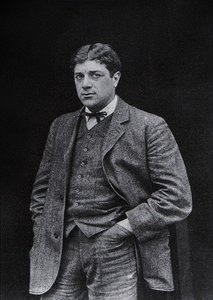
Georges Braque
1882 - 1963 , Francja
Krótka nota
- Artistic Movement Or Style: Kubizm, Fauwizm
- Artists Or Movements Influenced By This Artist:
- Pablo Picasso
- Sztuka nowoczesna
- Artists Who Influenced This Artist:
- Henri Matisse
- Paul Cézanne
- Date Of Birth: 13 maja 1882
- Date Of Death: 31 sierpnia 1963
- Full Name: Georges Braque
- Nationality: Francuz
- Notable Artworks:
- Domki w L'Estaque
- Cierpliwość
- Skrzypce i dzban
- Place Of Birth: Argenteuil, Francja
Powiązane artykuły

Synthetic Cubism Explained: A Professional Guide to Texture, Collage, and Geometric Abstraction for Modern Interior Design
Master the use of Synthetic Cubism in modern hospitality design. Our expert guide explores texture, collage, and geometric abstraction to help designers source premium, large-scale oil reproductions for hotels and corporate spaces with professional reliability.


