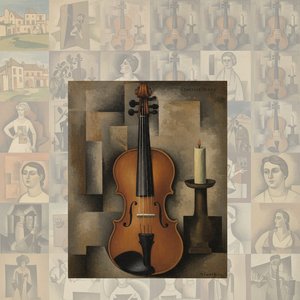
1950. Wood, 22.0 x 31.0 cm.

§ 1Catalogue data
 Wood
Wood- Sculpture
- Cubist Still Life
 1950
1950- Modern
 22.0 x 31.0 cm
Ten utwór podlega ochronie prawem autorskim
Dzieło sztuki prezentowane na tej stronie podlega ochronie prawem autorskim, co oznacza, że nie mamy prawa do tworzenia ani sprzedaży jego identycznej reprodukcji. Ochrona ta jest egzekwowana na mocy umów międzynarodowych, takich jak Konwencja berneńska oraz przez przepisy prawa krajowego, w tym te określone w Prawo autorskie USA – Tytuł 17.
Jako pełną szacunku i legalną alternatywę oferujemy personalizowane, malowane ręcznie dzieła sztuki inspirowane oryginałem. Nasi wykwalifikowani i profesjonalni artyści starannie analizują styl, nastrój oraz artystyczną esencję pierwowzoru, aby stworzyć nowe, unikalne dzieło, które przywołuje te same emocje – pozostając jednocześnie w pełni oryginalną kreacją.
Metoda ta jest w pełni zgodna z przepisami prawa autorskiego, ponieważ nie polega na kopiowaniu ani powielaniu chronionego dzieła. Stanowi ona kreatywną reinterpretację – nowy obraz, który czerpie inspirację z oryginału, ale nie jest z nim tożsamy.
 Dowiedz się więcej
§ 2Abstract
Opis obiektu
Georges Braque’s evocative oyster still life embodies Fauvist color palettes and textural wood grain—a masterful depiction of quiet contemplation within a dimly lit interior. Explore this captivating piece by Picasso's collaborator and immerse yourself in the beauty of 1950s art.
Biografia artysty
Poznaj Georges’a Braque'a (1882-1963): pioniera Kubizmu i mistrza Fauwizmu! Eksploruj jego innowacyjne dzieła sztuki, od „Domów przy L’Estaque” po oszałamiające kolaże. Jego twórczość zmieniła oblicze sztuki nowoczesnej!
§ 3Commentary
A Moment Frozen in Darkness: The Soul of Braque’s Oysters
In the quietude of 1950, Georges Braque captured a scene that transcends the simple boundaries of a still life, offering instead a profound meditation on texture and stillness. "Oysters" is not merely a depiction of shellfish upon a plate; it is an evocative exploration of materiality and perception. Executed on wood—a deliberate choice by the artist to embrace the tactile grain of his medium—the work presents two oysters nestled in a somber arrangement, accompanied by a solitary cup. The composition is anchored by a muted palette of deep blues, earthy browns, and shadowy tones, creating an atmosphere of contemplative silence that invites the viewer into a world far removed from the frenetic pace of modern life.
The painting serves as a masterful bridge between the vibrant energy of Braque’s earlier years and a more mature, introspective period. While his roots are deeply embedded in the Fauvist movement—a style characterized by bold, expressive color—"Oysters" demonstrates a refined restraint. Here, the artist employs a reductive technique, flattening the surface of the wood panel to emphasize the relationship between form and light. The brushstrokes, though visible, are controlled with a precision that lends a sense of solidity to the objects. For the collector or interior designer, this piece offers a sophisticated anchor for a room, providing a sense of groundedness and historical weight through its understated dynamism.
Symbolism and the Beauty of the Unseen
Beyond its visual composition, "Oysters" carries a heavy layer of symbolic resonance. The oyster itself has long been a symbol of fertility, abundance, and the hidden beauty that resides beneath an unassuming or even rugged exterior. By placing these elements within a dark, atmospheric setting, Braque intensifies their visual impact, forcing the eye to search through the shadows to find the light. This interplay between the visible and the obscured mirrors the broader themes of the post-World War II era—a time of profound uncertainty where artists sought to rediscover meaning amidst the ruins of tradition.
The choice of a dark background acts as a dramatic foil, pushing the muted tones of the plate and shells toward the foreground. This creates a sense of intimacy, as if the viewer has stumbled upon a private, late-night moment caught in a flash of moonlight. For those seeking to curate an environment of elegance and mystery, this artwork provides an unparalleled emotional depth. It is a piece that does not shout for attention but rather commands it through its quiet, persistent presence, making it an ideal selection for spaces designed for reflection, study, or sophisticated repose.
Pytania i odpowiedzi
Czy Oysters jest w ogólnym ujęciu jasny?
Ogólnie rzecz biorąc, poziom jasności dzieła „Oysters” określany jest jako deep_shadow. Postrzegana jasność opisuje, jak jasne lub ciemne wydaje się dane dzieło.
Jakie miejsce w historii sztuki zajmuje „Oysters” – Georges Braque?
„Oysters” – Georges Braque należy do nurtu Cubist Still Life, przypadającego na okres Modern. Razem nadają one dziełu jego miejsce w historii sztuki.
Jakie miejsce zajmuje „Oysters” wśród powracających motywów w twórczości Georges Braque?
Powracające motywy w twórczości Georges Braque obejmują fauvist style, formal composition, symbolic imagery, braque legacy, cubist innovation; „Oysters” koncentruje się na oysters, plate, cup, dark room, texture, painting, braque.


 Przełącz na wydania drukowane


 W przypadku dzieł sztuki lub reprodukcji, których którykolwiek z boków przekracza 105 cm (około 41 cali), rama zostanie wysłana w formie zestawu do samodzielnego montażu. Metoda ta zapewnia bezpieczną dostawę i zapobiega uszkodzeniom podczas transportu.