

Oil On Canvas.

§ 1Dane katalogowe


Ten utwór podlega ochronie prawem autorskim
Dzieło sztuki prezentowane na tej stronie podlega ochronie prawem autorskim, co oznacza, że nie mamy prawa do tworzenia ani sprzedaży jego identycznej reprodukcji. Ochrona ta jest egzekwowana na mocy umów międzynarodowych, takich jak Konwencja berneńska oraz przez przepisy prawa krajowego, w tym te określone w Prawo autorskie USA – Tytuł 17.
Jako pełną szacunku i legalną alternatywę oferujemy personalizowane, malowane ręcznie dzieła sztuki inspirowane oryginałem. Nasi wykwalifikowani i profesjonalni artyści starannie analizują styl, nastrój oraz artystyczną esencję pierwowzoru, aby stworzyć nowe, unikalne dzieło, które przywołuje te same emocje – pozostając jednocześnie w pełni oryginalną kreacją.
Metoda ta jest w pełni zgodna z przepisami prawa autorskiego, ponieważ nie polega na kopiowaniu ani powielaniu chronionego dzieła. Stanowi ona kreatywną reinterpretację – nowy obraz, który czerpie inspirację z oryginału, ale nie jest z nim tożsamy.
 Dowiedz się więcej
§ 2Abstrakcja
Opis obiektu
Explore Georges Braque’s ‘The Billiard,’ a fragmented Cubist still life brimming with muted tones & geometric forms. Discover its symbolic depth & unique perspective.
Biografia artysty
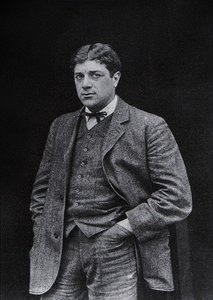
Poznaj Georges’a Braque'a (1882-1963): pioniera Kubizmu i mistrza Fauwizmu! Eksploruj jego innowacyjne dzieła sztuki, od „Domów przy L’Estaque” po oszałamiające kolaże. Jego twórczość zmieniła oblicze sztuki nowoczesnej!
§ 3Komentarz
Georges Braque’s ‘The Billiard Table’: A Fragmented Reflection of Time
Georges Braque's “The Billiard Table,” painted in 1944, isn’t merely a depiction of an everyday scene; it’s a carefully constructed meditation on perception, memory, and the inherent instability of reality. This work, now housed at the Metropolitan Museum of Art, exemplifies the culmination of Braque's pioneering explorations within Cubism – specifically, Synthetic Cubism – offering a glimpse into his intensely personal approach to representing space and form. The painting immediately draws the viewer in with its muted palette dominated by deep greens, browns, and ochres, creating an atmosphere of quiet contemplation tinged with a subtle melancholy. It’s a world rendered not as it appears, but as it is *remembered*, or perhaps, as it feels.
Deconstructing the Familiar: Cubist Techniques
Braque masterfully employs the core tenets of Synthetic Cubism to achieve this effect. The billiard table itself isn’t presented with photographic accuracy; instead, it's fractured into a series of interlocking planes and geometric shapes, mirroring the fragmented nature of experience. The surrounding objects – a vase, a chair, a clarinet, and various smaller items – are similarly deconstructed, their forms overlapping and intersecting in a way that defies traditional perspective. This deliberate distortion creates an unsettling yet compelling sense of spatial ambiguity; the table seems to float within a shallow space, while the objects around it appear to press in from multiple directions simultaneously. The artist’s visible brushstrokes, layered with thin washes of paint, contribute significantly to the painting's textural richness and add a tactile quality to the seemingly abstract forms.
Symbolism and the Passage of Time
Beyond its formal innovations, “The Billiard Table” is rich in symbolic potential. The billiard table itself has long been associated with games of chance, strategy, and the relentless passage of time – each shot a fleeting moment, each game an attempt to control an unpredictable outcome. The fragmented arrangement of objects suggests a collection of memories, each piece representing a specific experience or association. The clarinet, for instance, evokes musicality and perhaps a sense of nostalgia, while the vase hints at domestic tranquility disrupted by the chaotic composition. Some art historians have interpreted the painting as a reflection on the artist’s own struggles with creative block during World War II, suggesting that the fragmented forms represent the shattered state of his artistic vision.
Research and Context: A Deeper Dive
Further research confirms Braque's deliberate approach to this work. As documented by Tate’s online collection page, he began creating a series of seven billiard tables in 1944, alongside eight related paintings. This project was undertaken during a period of intense personal and artistic reflection for the artist. The use of sand mixed with oil paint – as noted in WikiArt's analysis – adds an intriguing textural element to the surface, further enhancing the painting’s tactile quality. The Met Museum’s description highlights Braque’s meticulous process of relating the room’s space to the canvas, a testament to his dedication to capturing not just visual reality but also the subjective experience of perception.
Ultimately, “The Billiard Table” is more than just a still life; it's a profound exploration of the complexities of memory, time, and the nature of representation itself. Its evocative atmosphere and masterful execution make it a compelling work for collectors and interior designers seeking to infuse their spaces with a sense of intellectual depth and artistic intrigue.
Pytania i odpowiedzi
Gdzie mogę kupić ręcznie malowaną reprodukcję dzieła „The biliard” – Georges Braque?
Ręcznie malowaną reprodukcję dzieła „The biliard” – Georges Braque można zamówić bezpośrednio na stronie Ręcznie malowana reprodukcja: ręcznie malowana reprodukcja olejowa na płótnie lnianym, tworzoną na specjalne zamówienie.
Gdzie mogę obejrzeć „The biliard” – Georges Braque w formie pokazu slajdów?
Dzieło „The biliard” – Georges Braque można obejrzeć w formie pokazu slajdów na stronie Prezentacja slajdów danego dzieła.
Jaka jest luminancja dzieła „The biliard” – Georges Braque?
„The biliard” – Georges Braque ma luminancję na poziomie Soft Shadow. Luminancja określa, jak dużą ilość światła zdają się odbijać kolory.


 Przełącz na wydania drukowane


 W przypadku dzieł sztuki lub reprodukcji, których którykolwiek z boków przekracza 105 cm (około 41 cali), rama zostanie wysłana w formie zestawu do samodzielnego montażu. Metoda ta zapewnia bezpieczną dostawę i zapobiega uszkodzeniom podczas transportu.


