

Painting.

§ 1Dane katalogowe


Ten utwór podlega ochronie prawem autorskim
Dzieło sztuki prezentowane na tej stronie podlega ochronie prawem autorskim, co oznacza, że nie mamy prawa do tworzenia ani sprzedaży jego identycznej reprodukcji. Ochrona ta jest egzekwowana na mocy umów międzynarodowych, takich jak Konwencja berneńska oraz przez przepisy prawa krajowego, w tym te określone w Prawo autorskie USA – Tytuł 17.
Jako pełną szacunku i legalną alternatywę oferujemy personalizowane, malowane ręcznie dzieła sztuki inspirowane oryginałem. Nasi wykwalifikowani i profesjonalni artyści starannie analizują styl, nastrój oraz artystyczną esencję pierwowzoru, aby stworzyć nowe, unikalne dzieło, które przywołuje te same emocje – pozostając jednocześnie w pełni oryginalną kreacją.
Metoda ta jest w pełni zgodna z przepisami prawa autorskiego, ponieważ nie polega na kopiowaniu ani powielaniu chronionego dzieła. Stanowi ona kreatywną reinterpretację – nowy obraz, który czerpie inspirację z oryginału, ale nie jest z nim tożsamy.
 Dowiedz się więcej
§ 2Abstrakcja
Opis obiektu
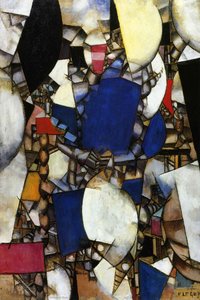
Capturing an intimate moment through a vibrant palette, this striking work by Cubism co-founder Georges Braque offers a profound exploration of form and invites you to bring its beauty into your collection.
Biografia artysty
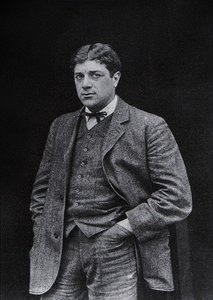
Poznaj Georges’a Braque'a (1882-1963): pioniera Kubizmu i mistrza Fauwizmu! Eksploruj jego innowacyjne dzieła sztuki, od „Domów przy L’Estaque” po oszałamiające kolaże. Jego twórczość zmieniła oblicze sztuki nowoczesnej!
§ 3Komentarz
Georges Braque’s Intimate Exploration of Form and Color
Georges Braque (1882-1963), a titan amongst the vanguard artists of the early 20th century, stands as a pivotal figure in the genesis of Cubism alongside Pablo Picasso. His artistic journey began humbly—apprenticeships with his father’s decorating business instilled a foundational understanding of material and spatial relationships that would profoundly influence his groundbreaking approach to painting.
- Early Influences: Braque's formative years were marked by exposure to Impressionism and Post-Impressionism, particularly Cézanne’s exploration of geometric simplification. These influences subtly prepared him for the radical departures that would characterize his artistic development.
- Academic Training & Parisian Circle: Formal training at the École des Beaux-Arts in Le Havre provided a crucial counterbalance to these initial impulses, grounding him in traditional academic conventions before he dared to dismantle them. His association with Marie Laurencin and Francis Picabia fostered an environment of intellectual ferment within Paris’s burgeoning artistic community.
The Birth of Cubism: A Revolutionary Shift
Braque’s pivotal contribution arrived in 1907 with the co-creation of “Houses at L’Estaque” alongside Picasso—a seminal work that cemented Cubism's emergence as a dominant aesthetic force. Unlike Impressionists who sought to capture fleeting moments of light and color, Braque and Picasso interrogated perception itself. They fragmented objects into geometric planes, presenting multiple viewpoints simultaneously on a single canvas.
- Analytical Cubism: This initial phase prioritized monochrome palettes—often browns and ochres—and meticulous dissection of form. The goal wasn’t to depict reality faithfully but rather to reveal its underlying structure.
- Synthetic Cubism: Braque subsequently embraced a more colorful approach, incorporating collage elements – fragments of newspaper or fabric – into his paintings. This technique expanded the visual vocabulary and challenged conventional notions of artistic representation.
“untitled (3150):” A Study in Color and Texture
"untitled (3150)" exemplifies Braque’s masterful synthesis of analytical and synthetic principles. The artwork depicts a nude woman reclining on the ground, bathed in hues of blue and red—a deliberate juxtaposition that speaks to the artist's preoccupation with color theory and spatial illusion.
Technique: Braque employed oil paint on canvas, utilizing layering and glazing techniques to achieve remarkable depth and luminosity. The subtle gradations of tone contribute to an atmosphere of serene contemplation. Symbolism & Emotional Impact: Beyond its formal considerations, the painting resonates with themes of vulnerability and intimacy. The woman’s posture conveys repose and surrender, while the enveloping presence of another figure suggests a connection rooted in shared experience. Braque's masterful manipulation of color and form invites viewers to consider not just what is seen but also how it feels—a testament to his enduring legacy as one of art history’s most perceptive innovators.Pytania i odpowiedzi
Jakie miejsce w dorobku twórczym Georges Braque zajmuje dzieło "untitled (3150)"?
"untitled (3150)" dzieli z innymi dziełami Georges Braque styl właściwy dla Cubist Exploration oraz powracające motywy: deconstructing form, challenging perspective, exploring emotion, geometric abstraction, artistic innovation.
Czy kolory dzieła "untitled (3150)" są intensywne czy stonowane?
Kolorystyka dzieła "untitled (3150)" charakteryzuje się nasyceniem na poziomie Clear Color Presence oraz intensywnością wynoszącą Vivid.
Gdzie mogę znaleźć statystyki dotyczące „untitled (3150)” – Georges Braque?
Statystyki dotyczące „untitled (3150)” – Georges Braque znajdują się na stronie Statystyki wyświetleń dzieła: obejmują one miesięczną liczbę odwiedzin danego dzieła, wizyty przy pracach artysty oraz podział ostatnich odwiedzających według krajów i języków.




 Przełącz na wydania drukowane


 W przypadku dzieł sztuki lub reprodukcji, których którykolwiek z boków przekracza 105 cm (około 41 cali), rama zostanie wysłana w formie zestawu do samodzielnego montażu. Metoda ta zapewnia bezpieczną dostawę i zapobiega uszkodzeniom podczas transportu.


