

1939. Mixed Media.

§ 1Catalogue data


Ten utwór podlega ochronie prawem autorskim
Dzieło sztuki prezentowane na tej stronie podlega ochronie prawem autorskim, co oznacza, że nie mamy prawa do tworzenia ani sprzedaży jego identycznej reprodukcji. Ochrona ta jest egzekwowana na mocy umów międzynarodowych, takich jak Konwencja berneńska oraz przez przepisy prawa krajowego, w tym te określone w Prawo autorskie USA – Tytuł 17.
Jako pełną szacunku i legalną alternatywę oferujemy personalizowane, malowane ręcznie dzieła sztuki inspirowane oryginałem. Nasi wykwalifikowani i profesjonalni artyści starannie analizują styl, nastrój oraz artystyczną esencję pierwowzoru, aby stworzyć nowe, unikalne dzieło, które przywołuje te same emocje – pozostając jednocześnie w pełni oryginalną kreacją.
Metoda ta jest w pełni zgodna z przepisami prawa autorskiego, ponieważ nie polega na kopiowaniu ani powielaniu chronionego dzieła. Stanowi ona kreatywną reinterpretację – nowy obraz, który czerpie inspirację z oryginału, ale nie jest z nim tożsamy.
 Dowiedz się więcej
§ 2Abstract
Opis obiektu
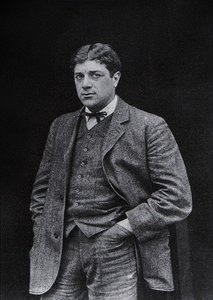
Georges Braque’s haunting ‘Vanitas,’ painted in 1939, confronts mortality through Cubist fragmentation and muted earthy tones—a masterful meditation on decay and remembrance within the heart of modernist art. Explore this iconic piece and bring timeless beauty into your home.
Biografia artysty
Poznaj Georges’a Braque'a (1882-1963): pioniera Kubizmu i mistrza Fauwizmu! Eksploruj jego innowacyjne dzieła sztuki, od „Domów przy L’Estaque” po oszałamiające kolaże. Jego twórczość zmieniła oblicze sztuki nowoczesnej!
§ 3Commentary
A Silent Dialogue with Mortality
In the quiet, somber depths of Georges Braque’s 1939 masterpiece, "Vanitas," viewers are invited into a profound meditation on the fleeting nature of existence. Created during a period of immense global tension, this work transcends the boundaries of a traditional still life to become an evocative visual poem. At its heart lies a stark, haunting juxtaposition: a skull resting upon a draped couch, positioned alongside a crucifix. This arrangement serves as a powerful memento mori, a reminder of the inevitability of death that has resonated through art history for centuries. Braque does not merely present objects; he orchestrates a confrontation between the physical world and the spiritual unknown, inviting the observer to contemplate the heavy weight of time.
The composition is far more than a collection of items; it is a carefully curated landscape of symbolism. As one’s gaze wanders through the scene, they encounter a chair representing the stillness of repose, and vases holding withered flowers that whisper of beauty long since faded. A bottle, a bowl, and even books with blank pages act as silent witnesses to the transience of human endeavor—knowledge and wisdom rendered hollow by the march of time. For the discerning collector or interior designer, this painting offers a sophisticated layer of intellectual depth, making it an ideal centerpiece for spaces designed for reflection, study, or quiet contemplation.
The Mastery of Cubist Deconstruction
Technically, "Vanitas" is a triumph of Braque’s mature style, showcasing his ability to blend the structural innovations of Cubism with a deeply emotive sensibility. Rather than relying on traditional, singular perspectives, Braque employs fragmented planes and overlapping forms to dismantle the solidity of the objects. This technique creates a sense of movement within the stillness, as if the very air around the skull is vibrating with the memory of what once was. The artist’s masterful use of a muted, earthy palette—rich browns, warm ochres, and soft creams—avoids dramatic spectacle in favor of a solemn, atmospheric grace.
The tactile quality of the work further enhances its emotional resonance. By skillfully blending oil paint with pastel chalk, Braque achieved a textured surface that invites the eye to linger on every brushstroke and grain. This interplay of media lends a physical presence to the decay depicted, making the withered petals and the weathered bone feel tangibly real. For those seeking a high-quality reproduction, this texture is essential; it captures the soul of the original, bringing the somber beauty of Braque’s vision into the modern home with all its historical gravity and artistic prestige.
An Enduring Legacy for Modern Interiors
Beyond its historical significance, "Vanitas" possesses a timeless aesthetic appeal that transcends the era of its creation. Its subdued tones and complex composition allow it to integrate seamlessly into diverse interior design schemes, from the minimalist modern gallery style to more traditional, classical settings. It serves as an anchor of sophistication, providing a conversation piece that is both intellectually stimulating and visually arresting.
To possess a reproduction of this work is to hold a fragment of the modernist revolution. It is an invitation to pause in a fast-paced world and engage with the profound truths of our shared human experience. Whether adorning a private library or a curated living space, Braque’s "Vanitas" brings with it an aura of wisdom, elegance, and an enduring respect for the beautiful mystery of life and its inevitable conclusion.
Pytania i odpowiedzi
Jakie kolory dominują w dziele „Vanitas” – Georges Braque?
Kolorystyka dzieła „Vanitas” – Georges Braque: paleta Earthy, w której dominuje Rosy Brown (#bab080).
Jaki klimat wnosi „Vanitas” – Georges Braque do wnętrza?
Dzięki swojemu Calm nastrojowi, "Vanitas" idealnie sprawdzi się w Living Room.
Czy dzieło "Vanitas" posiada podgląd w rozszerzonej rzeczywistości?
„Vanitas” posiada podgląd w rozszerzonej rzeczywistości: strona Podgląd w AR pozwala zobaczyć dzieło w Twojej własnej przestrzeni na kompatybilnym urządzeniu.


 Przełącz na wydania drukowane


 W przypadku dzieł sztuki lub reprodukcji, których którykolwiek z boków przekracza 105 cm (około 41 cali), rama zostanie wysłana w formie zestawu do samodzielnego montażu. Metoda ta zapewnia bezpieczną dostawę i zapobiega uszkodzeniom podczas transportu.


