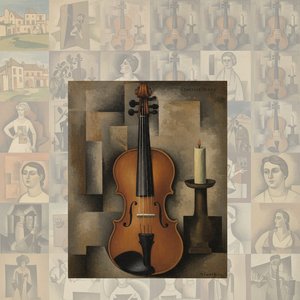
Oil On Canvas.

§ 1Catalogue data


Ten utwór podlega ochronie prawem autorskim
Dzieło sztuki prezentowane na tej stronie podlega ochronie prawem autorskim, co oznacza, że nie mamy prawa do tworzenia ani sprzedaży jego identycznej reprodukcji. Ochrona ta jest egzekwowana na mocy umów międzynarodowych, takich jak Konwencja berneńska oraz przez przepisy prawa krajowego, w tym te określone w Prawo autorskie USA – Tytuł 17.
Jako pełną szacunku i legalną alternatywę oferujemy personalizowane, malowane ręcznie dzieła sztuki inspirowane oryginałem. Nasi wykwalifikowani i profesjonalni artyści starannie analizują styl, nastrój oraz artystyczną esencję pierwowzoru, aby stworzyć nowe, unikalne dzieło, które przywołuje te same emocje – pozostając jednocześnie w pełni oryginalną kreacją.
Metoda ta jest w pełni zgodna z przepisami prawa autorskiego, ponieważ nie polega na kopiowaniu ani powielaniu chronionego dzieła. Stanowi ona kreatywną reinterpretację – nowy obraz, który czerpie inspirację z oryginału, ale nie jest z nim tożsamy.
 Dowiedz się więcej
§ 2Abstract
Opis obiektu
The artwork evokes feelings of melancholy, introspection, and a sense of isolation. The distorted forms and somber color palette contribute to this emotional atmosphere. Georges Rouault Before the mirror 1871 Blue Female Figure Symbol of self-reflection and duality Flattened and distorted, lacking traditional depth cues. Male Figure 1958 A stylized depiction of a nude female figure refle
Biografia artysty
Georges Rouault (1871-1958) – francuski malarz ekspresjonista, znany z emocjonalnych obrazów religijnych i portretów marginalizowanych grup społecznych. Jego styl inspirowany witrażami.
§ 3Commentary
Before the Mirror – A Study in Melancholy Reflection by Georges Rouault
Georges Rouault’s “Before the Mirror” is not merely a depiction of figures; it's an immersion into a profound and unsettling space of introspection. Painted around 1904, this work exemplifies Rouault’s unique approach to depicting human emotion – raw, unflinching, and deeply rooted in his spiritual convictions. The scene unfolds with a stark simplicity: a woman, poised with one arm raised as if reaching for an elusive answer, confronts her reflection in a mirror alongside a male figure, equally absorbed in the mirrored image. This isn’t a romantic tableau; it's a potent meditation on identity, vulnerability, and the inherent loneliness of self-awareness.
The composition immediately draws the eye to the central female form. Rouault employs a dynamic pose, suggesting movement and an urgent need for connection. The mirror itself is more than just a reflective surface; it’s a deliberate division, creating a sense of duality and echoing the figure's internal struggle. The male reflection adds another layer of complexity – a silent observer, perhaps mirroring the woman’s own anxieties or offering a distorted perspective on her quest for understanding. The limited color palette—a dominant wash of blues, punctuated by flashes of red and orange within the skin tones and highlights—contributes significantly to the artwork's somber mood. This restrained use of color amplifies the emotional impact, creating an atmosphere thick with melancholy.
Technique and Style: Echoes of Expressionism and Stained Glass
Rouault’s masterful technique is immediately apparent in the heavily textured surface achieved through visible brushstrokes and layered paint. The application is loose and painterly, a deliberate rejection of academic precision in favor of conveying raw emotion. Thick, dark lines define the forms with an almost aggressive energy – a characteristic inherited from his early apprenticeship as a glass painter. This influence is particularly evident in the bold outlines that frame the luminous color fields, reminiscent of the intricate designs found in medieval stained-glass windows. The simplification and distortion of shapes align squarely with the tenets of Expressionism, prioritizing subjective feeling over objective representation. The flattened perspective further enhances this expressive quality, removing any illusion of depth and intensifying the emotional impact.
Symbolic Resonance: Mirrors, Identity, and Spiritual Seeking
The mirror is a potent symbol within “Before the Mirror,” representing not just reflection but also self-awareness and the complexities of identity. It forces both figures to confront their own image, prompting questions about perception, truth, and the nature of reality. Rouault’s work was deeply influenced by his Catholic faith, and this spiritual seeking is subtly woven into the artwork's fabric. The scene can be interpreted as a visual representation of the soul’s journey – a struggle to reconcile the earthly with the divine, or perhaps simply the inherent human desire for meaning in a seemingly chaotic world. The vulnerability displayed by both figures adds another layer of interpretation, suggesting a shared experience of isolation and the difficulty of genuine connection.
Georges Rouault: A Life Dedicated to Human Emotion
Georges Rouault (1871-1958) was a French painter who dedicated his life to capturing the essence of human emotion, particularly through his unflinching portrayals of marginalized figures. His early experiences – witnessing poverty and suffering in Parisian slums – profoundly shaped his artistic vision. He wasn’t interested in idealized beauty; instead, he sought to expose the raw realities of existence, often depicting subjects with a brutal honesty that challenged conventional notions of art. Rouault's work is characterized by its emotional intensity, expressive technique, and profound spiritual depth, solidifying his place as one of the most significant figures of early 20th-century French painting.
Pytania i odpowiedzi
Gdzie mogę kupić wydruk „Before the mirror” – Georges Rouault?
Odbitkę dzieła „Before the mirror” – Georges Rouault można zamówić bezpośrednio na stronie Wydruk artystyczny premium: szlachetna odbitka na płótnie bawełnianym lub archiwalnym papierze o strukturze płótna.
Gdzie i w jakim celu zaleca się użycie "Before the mirror"?
„Before the mirror” idealnie sprawdzi się w Statement, a rekomendowanym miejscem jego ekspozycji jest Living Room.
Czy „Before the mirror” – Georges Rouault znajduje się w domenie publicznej?
„Before the mirror” – Georges Rouault znajduje się w domenie publicznej (nadal objęte ochroną prawa autorskiego). Status ten określa zasady reprodukcji obrazu tego dzieła.


 Przełącz na wydania drukowane


 W przypadku dzieł sztuki lub reprodukcji, których którykolwiek z boków przekracza 105 cm (około 41 cali), rama zostanie wysłana w formie zestawu do samodzielnego montażu. Metoda ta zapewnia bezpieczną dostawę i zapobiega uszkodzeniom podczas transportu.