


 Zobacz w skali 1:1
 Wyślij
 Udostępnij
 Szczegóły
 Przewodnik

 Pobierz plik obrazu
 Podobne obiekty
 RTG
RTG Pokaz slajdów
 Statystyki
James Monroe
 Oil On Canvas
- WallArt
- Neoclassical
 1820
1820- 19th Century
 102.0 x 81.0 cm
 Metropolitan Museum of Art
 Czytaj więcej
Ręcznie malowana reprodukcja olejowa
Ręcznie malowany obraz olejny na płótnie, wykonany na zamówienie przez naszych artystów w wybranym przez Ciebie wymiarze i oprawie. ( Przełącz na wersję drukowaną Przełącz na wersję cyfrową)




P118B zł10

P118H zł10

P118W zł10

P438Z zł10

P508JH zł12

P508YH zł12

P805H zł10

P805Z zł10

P919BZ zł10

P919G zł10

P919XJ zł10

P959ZH zł10

P968JZ zł12

W106C zł8

W218G zł10

W218JH zł8

W218Y zł10

W307PJ zł10

W316G zł10

W316PJ zł8

W316Y zł10

W398PJ zł8

W4111J zł10

W500HY zł15

W500JH zł15

W692G zł12

W849H zł8

W940BG zł15

W953PJ zł8




Wybierz spośród naszych standardowych rozmiarów, które zachowują oryginalne proporcje dzieła sztuki.

Wpisz wymaganą szerokość i wysokość, aby obraz pasował do Twojej ramy lub ściany. Ponieważ jest to dzieło malowane ręcznie, w przypadku rozmiaru o innym proporcji artysta może domalować nieco więcej wokół obrazu lub przyciąć fragmenty — wybór należy do Ciebie. Przed rozpoczęciem pracy prześlemy Ci cyfrową wizualizację do zatwierdzenia. Obraz widoczny na tej stronie nie przedstawia rzeczywistego efektu — jedynie wizualizacja oddaje realny rezultat.
Po złożeniu zamówienia zespół AllPaintingsStore.com skontaktuje się z klientem drogą mailową w celu uzyskania instrukcji i prześle wizualizację projektu
Dostawa na całym świecie () w ciągu 3–4 tygodni zamiast standardowych 5 tygodni. (23 Październik). Bez kompromisów w kwestii jakości.

Bezpłatna ekspresowa wysyłka na cały świat

Wysokiej jakości płótno lniane

Pełne ubezpieczenie transportowe

Gwarancja zwrotu należności celnych i podatków importowych

Gwarancja idealnego odwzorowania barw

100-dniowy okres na zwrot dzieła w przypadku wykrycia wad produkcyjnych

Gwarancja 100% zwrotu pieniędzy

Oferta przy zakupie wielu sztuk
 Opcja ze szkłem jest dostępna wyłącznie w rozmiarach poniżej 110 cm

James Monroe
Technika wykonania
Rozmiar reprodukcji
-


Suma do zapłaty
zł 993
A Portrait of American Statesmanship: James Monroe
To gaze upon this portrait of James Monroe is to encounter not merely a likeness, but an embodiment of early American political gravitas. Gilbert Stuart Newton captured the fifth President of the United States in a moment that feels both intensely personal and monumentally public. The composition itself speaks volumes about the era's reverence for its leaders; it is a carefully constructed tableau designed to convey authority, intellect, and enduring national character. Monroe, depicted here with his characteristic beard and formal attire, sits amidst symbols of governance—the scattered books and papers upon the desk suggest a mind perpetually engaged in weighty matters of state.
The Allure of Stuart's Technique and Style
Newton masterfully channels the grand tradition established by his celebrated forebear, Gilbert Stuart. The technique employed here is one of polished realism blended with an almost theatrical grandeur. Notice the handling of the drapery; the billowing fabric, particularly the strong, pure red curtain behind him, serves as more than mere backdrop—it is a dramatic foil that pushes the figure forward into the viewer's space. This strategic use of color, coupled with Stuart’s signature ability to capture the sitter in a three-quarter pose, gives the portrait an immediate sense of dynamism despite its formal setting. It is a visual echo of the grand Neoclassical style, updated for the burgeoning American republic.
Historical Resonance and Symbolism
The year 1820 places this work at a pivotal juncture in American history. Monroe’s career was marked by significant diplomatic achievements, culminating shortly after this painting's completion with the issuance of the famous Monroe Doctrine. The inclusion of these elements—the scholarly clutter, the statesmanlike bearing—are not accidental details; they are symbolic anchors rooting the man to his historical moment. The portrait invites us to contemplate the weight of presidential duty and the intellectual currents that shaped a young nation’s destiny. It is an artifact steeped in the narrative of American self-determination.
Bringing History Home: Decorating with Legacy
For the discerning collector or interior designer, this reproduction offers more than just wall art; it offers a conversation piece imbued with cultural weight. The rich tones, dominated by that commanding red, pair beautifully with traditional library settings, formal drawing rooms, or executive offices seeking an infusion of historical elegance. Owning this piece allows one to curate an environment that speaks of enduring taste and deep appreciation for the arts and history. It is a timeless statement, bridging the formality of 19th-century portraiture with the sophisticated demands of modern interior design.
Pytania i odpowiedzi
Jakie są prawa do reprodukcji dzieła "James Monroe" znajdującego się w Metropolitan Museum of Art?
Status praw autorskich do dzieła „James Monroe” autorstwa Gilbert Stuart Newton jest jasny: utwór znajduje się w stanowi domenę publiczną – autorskie prawa majątkowe wygasły. Jego obecność w Metropolitan Museum of Art nie zmienia tego stanu rzeczy.
Jaki nastrój ma "James Monroe"?
Nastrój dzieła „James Monroe” autorstwa Gilbert Stuart Newton opisuje się jako Elegant. Klasyfikacja ta może pomóc w dopasowaniu pracy do konkretnego wnętrza.
Kto sprzedaje ręcznie malowane reprodukcje dzieła „James Monroe” autorstwa Gilbert Stuart Newton?
Ręcznie malowaną reprodukcję dzieła „James Monroe” autorstwa Gilbert Stuart Newton można zamówić bezpośrednio na stronie Ręcznie malowana reprodukcja: ręcznie malowana reprodukcja olejowa na płótnie lnianym, tworzoną na specjalne zamówienie.
Podobne dzieła


Biografia artysty
Gilbert Stuart Newton: Life & Legacy
Early Life and Family Background
- Birth and Origins: Gilbert Stuart Newton was born on September 2, 1795, in Halifax, Nova Scotia. He was the youngest of twelve children.
- Family Connections: His father, Henry Newton, was a customs official, and his mother, Ann, held a significant artistic lineage – she was the daughter of Gilbert Stuart, the renowned American portrait painter.
- Early Years & Return to America: The family initially resided in Boston but returned to Charlestown near Boston in 1803 following his father’s death.
Artistic Training and Influences
- Initial Path & Uncle's Guidance: Though initially intended for a commercial career, Newton was apprenticed to his uncle, Gilbert Stuart, marking the beginning of his artistic journey.
- European Studies: He traveled to Europe with an elder brother and studied painting in Florence. Later visits to Paris (1817) introduced him to artists like Charles Robert Leslie, Washington Allston, and David Wilkie.
- Royal Academy & Formal Training: Newton continued his education at the Royal Academy in London after a period spent in the Netherlands.
Artistic Style and Major Themes
- Romantic Sensibilities: Newton’s work is generally categorized within the Romantic movement, characterized by emotional intensity and dramatic narratives.
- Literary & Poetic Inspirations: He became particularly known for paintings inspired by literature and poetry. Subjects drawn from works like *Don Quixote* and Shakespeare were prominent in his oeuvre.
- Portraiture & Genre Scenes: While he painted portraits, including those of notable figures such as Washington Irving, Newton also excelled in genre scenes depicting moments from literary narratives.
Key Achievements and Recognition
- Royal Academy Affiliation: Newton was elected an Honorary Academician of the National Academy of Design (1827), an Associate of the Royal Academy (1829), and a full Academician in 1832.
- Exhibitions & Patronage: He regularly exhibited at the Royal Academy from 1818 onwards, gaining recognition and attracting patrons like the Marquis of Lansdowne.
- Public Collections: His works found their way into prominent public collections, including the National Gallery and the South Kensington Museum (now V&A).
Later Life and Legacy
- Mental Health & Final Years: Shortly after his election to the Royal Academy, Newton began to suffer from mental illness. He was admitted to an asylum at Chelsea where he continued to paint until his death on August 5, 1835.
- Burial Site: He is buried in St Mary’s Church Wimbledon, London.
- Historical Significance: Though overshadowed by his uncle Gilbert Stuart, Newton carved a niche for himself as a skilled and imaginative artist of the Romantic period. His literary-inspired paintings offer insights into the cultural tastes and artistic trends of 19th-century Britain.

Gilbert Stuart Newton
1795 - 1835
Najważniejsze informacje
- Name: Gilbert Stuart Newton
- Movement: Romanticism
- Birth_Date: 1795
- Death_Date: 1835
- Birth_Place: Halifax, Nova Scotia
- Nationality: British
- Date Of Birth: 1795
- Date Of Death: 1835
- Influenced_By: Gilbert Stuart (uncle)
- Notable_Works:
- Don Quixote in his Study
- Captain Macheath upbraided by Polly and Lucy
- Yorick and the Grisette
- The Window or the Dutch Girl
- Portia and Bassanio
Zobacz także powiązane artykuły

Grant Wood & American Regionalism: Identity, Myth & the Rural Landscape
Explore the world of Grant Wood & American Regionalism with AllPaintingsStore. Discover the symbolism behind 'American Gothic', recurring themes, and the movement's lasting impact on art history. High-quality reproductions available.

John George Brown: Capturing American Life & Sentiment in 19th-Century Genre Painting
Explore the captivating genre paintings of John George Brown, celebrated for his realistic depictions of 19th-century American life. Discover his legacy & find museum-quality reproductions at AllPaintingsStore.
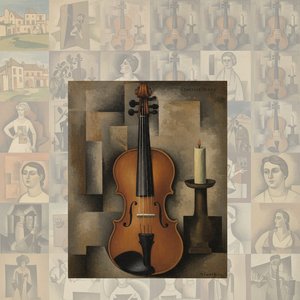
Georges Braque: 25 Arcydzieł Kubizmu i Nowoczesnej Sztuki | AllPaintingsStore.com
Odkryj 25 arcydzieł Georges'a Braque – pioniera kubizmu i malarstwa nowoczesnego. Poznaj historię, techniki i inspiracje za jego najsłynniejszymi obrazami. Reprodukcje najwyższej jakości na AllPaintingsStore.com! Eksploruj pełną kolekcję online.

Charles Willson Peale: Portraiture, Enlightenment Ideals & Shaping American Identity
Explore the life & art of Charles Willson Peale – Revolutionary portraitist, scientist, and founder of America’s first museum. Discover his iconic paintings of Washington & the Enlightenment ideals that shaped a nation.

Georges Seurat: 25 Arcydzieł Punktalizmu dla Twojego Domu | AllPaintingsStore.com
Odkryj 25 arcydzieł Georges'a Seurata! Poznaj historię punktalizmu, impresjonistyczne pejzaże i fascynującą technikę malarską. Reprodukcje obrazów najwyższej jakości na AllPaintingsStore.com – inspiracje do Twojego wnętrza. Eksploruj pełną kolekcję online!

