

Acrylic On Canvas.

§ 1Catalogue data

Ten utwór podlega ochronie prawem autorskim
Dzieło sztuki prezentowane na tej stronie podlega ochronie prawem autorskim, co oznacza, że nie mamy prawa do tworzenia ani sprzedaży jego identycznej reprodukcji. Ochrona ta jest egzekwowana na mocy umów międzynarodowych, takich jak Konwencja berneńska oraz przez przepisy prawa krajowego, w tym te określone w Prawo autorskie USA – Tytuł 17.
Jako pełną szacunku i legalną alternatywę oferujemy personalizowane, malowane ręcznie dzieła sztuki inspirowane oryginałem. Nasi wykwalifikowani i profesjonalni artyści starannie analizują styl, nastrój oraz artystyczną esencję pierwowzoru, aby stworzyć nowe, unikalne dzieło, które przywołuje te same emocje – pozostając jednocześnie w pełni oryginalną kreacją.
Metoda ta jest w pełni zgodna z przepisami prawa autorskiego, ponieważ nie polega na kopiowaniu ani powielaniu chronionego dzieła. Stanowi ona kreatywną reinterpretację – nowy obraz, który czerpie inspirację z oryginału, ale nie jest z nim tożsamy.
 Dowiedz się więcej
§ 2Abstract
Opis obiektu
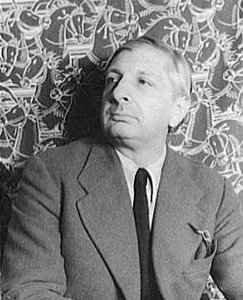
Biografia artysty
Giorgio de Chirico – mistrz metafizycznego malarstwa! Odkryj jego surrealistyczne miasta, filozoficzne obrazy i ikoniczne manekiny. Wpływ na Surrealizm i współczesną sztukę.
§ 3Commentary
A Fragmented Reality: De Chirico’s ‘The Fall’ – An Exploration of Surrealist Vision
Giorgio de Chirico's “The Fall” stands as a cornerstone of Metaphysical Art, encapsulating the anxieties and intellectual explorations characteristic of its era. Painted around 1917-18, this enigmatic canvas transcends mere depiction; it plunges viewers into a dreamscape populated by unsettling juxtapositions and imbued with profound symbolic resonance. The artwork’s desolate landscape—a rocky outcrop bathed in muted sunlight—immediately establishes an atmosphere of isolation and unease, mirroring the philosophical preoccupations that fueled de Chirico's artistic endeavors.The Composition: A Disturbing Tableau
At first glance, “The Fall” presents a disconcerting scene: a group of figures clustered around a corpse-like man sprawled upon the ground. The positioning is deliberately jarring—the bodies are arranged in an unnatural manner, disrupting conventional spatial logic. Notably prominent is a solitary sword held aloft by one individual, symbolizing powerlessness and vulnerability against an unseen force. Furthermore, the inclusion of a horse – positioned on the right side – adds to the visual drama, representing primal instinct and perhaps hinting at a return to primordial origins. Two birds circling overhead contribute to the pervasive sense of disorientation, reinforcing the painting’s preoccupation with themes of mortality and transcendence.Style and Technique: Borrowing from Böcklin and Klinger
De Chirico's stylistic choices reflect his deep admiration for Arnold Böcklin and Max Klinger, artists who had profoundly impacted his artistic sensibilities. Like Böcklin’s landscapes—particularly “Alpine Scene”—“The Fall” employs a muted palette dominated by earthy tones, creating an ethereal yet melancholic mood. The artist skillfully utilizes chiaroscuro – dramatic contrasts between light and shadow – to heighten the sense of drama and emphasize the sculptural quality of the figures. De Chirico's meticulous attention to detail—particularly in rendering the textures of stone and flesh—demonstrates a commitment to realism tempered by an expressive impulse.Philosophical Undercurrents: Nietzsche’s Influence
The painting’s intellectual bedrock lies firmly within the philosophical ideas championed by Friedrich Nietzsche, Arthur Schopenhauer, and Otto Weininger. These thinkers questioned traditional notions of morality and rationality, advocating for a radical embrace of instinct and subjectivity. De Chirico's exploration of these concepts is evident in “The Fall”’s depiction of existential dread—the figures are confronted with the inescapable reality of death and decay, prompting contemplation on the meaninglessness of existence. The unsettling stillness of the scene underscores Nietzsche’s assertion that life itself is an illusion, a deceptive appearance concealing an underlying abyss.Symbolism: Ghosts of Antiquity
“The Fall” resonates powerfully with symbols drawn from classical antiquity—a deliberate reference to the myth of Persephone and Hades, representing descent into darkness and rebirth. The corpse-like man embodies vulnerability and mortality, serving as a visual reminder of human fragility. The horse symbolizes primal instinct and represents an escape from civilized constraints. Ultimately, De Chirico’s masterpiece invites viewers to confront uncomfortable truths about the human condition—a testament to his enduring legacy as one of the most influential artists of the early 20th century.Pytania i odpowiedzi
W jaki sposób Neo-Baroque dzieła „The Fall” nawiązuje do kraju pochodzenia artysty?
Dzieło z nurtu Neo-Baroque, zatytułowane "The Fall", zostało stworzone przez artystę urodzonego w Grecja.
Co łączy "The Fall" z resztą twórczości Giorgio de Chirico?
"The Fall" wpisuje się w nurt Neo-Baroque w twórczości Giorgio de Chirico, której charakterystyczne motywy obejmują classical echoes & modern angst, existential dread & dreamscapes, philosophical vision & symbolism, de chirico’s surreal legacy, urban isolation & mortality.
Jaką popularność cieszy się "The Fall" w obrębie nurtu Neo-Baroque?
W ramach nurtu Neo-Baroque, dzieło „The Fall” cechuje się poziomem popularności Iconic.


 Przełącz na wydania drukowane


 W przypadku dzieł sztuki lub reprodukcji, których którykolwiek z boków przekracza 105 cm (około 41 cali), rama zostanie wysłana w formie zestawu do samodzielnego montażu. Metoda ta zapewnia bezpieczną dostawę i zapobiega uszkodzeniom podczas transportu.


