Gwarancja zwrotu pieniędzy · 100 dni Darmowa dostawa na cały świat
449 564dzieła sztuki 30 613artyści 4 658muzea 32język
Wpis do katalogu

Birds

Watercolor. Österreichische Nationalbibliothek.

Ryc. 1. Giuseppe Arcimboldo, Birds. Przedstawiono jako wybraną przez Ciebie reprodukcję: , .

§ 1Dane katalogowe

§ 2Abstrakcja

Opis obiektu

Explore Giuseppe Arcimboldo’s serene watercolor ‘Birds,’ a naturalist illustration of a heron. Discover the artist's Mannerist style & timeless beauty.

Biografia artysty

Giuseppe Arcimboldo (1527-1593) – włoski malarz znany z fantastycznych portretów złożonych z owoców, warzyw i przedmiotów. Jego surrealistyczne kompozycje, takie jak "Cztery pory roku", fascynują i symbolizują świat odmieniony przez jego artystyczną wizję.

§ 3Komentarz

The Serene Majesty of a Natural World Reimagined

Giuseppe Arcimboldo's “Birds,” painted around 1591, isn’t merely a portrait; it’s an immersive experience. Within the confines of a single canvas, the artist constructs a vibrant tableau of nature—a solitary heron poised upon a moss-covered rock—that transcends the limitations of traditional representation. The watercolor technique, with its layered washes and subtle blurring, evokes the very essence of feathers and water, creating a tactile illusion that draws the viewer into the scene. It’s a piece that whispers of observation, patience, and a deep connection to the natural world – qualities often associated with the heron itself.

Giuseppe Arcimboldo’s Birds

Image Credit: Web Gallery of Art

A Mannerist Masterpiece: Echoes of the Renaissance

Arcimboldo’s “Birds” stands as a quintessential example of Mannerism, an artistic movement that flourished in Italy during the late 16th century. Unlike the idealized forms and balanced compositions of High Renaissance art, Mannerism embraced exaggeration, distortion, and a heightened sense of drama. Here, we see this reflected in the heron’s posture – a deliberate verticality that commands attention—and the carefully arranged elements surrounding it. The piece is deeply rooted in the Renaissance worldview, particularly its fascination with symbolism and allegory. Arcimboldo's work was commissioned by Rudolf II, Holy Roman Emperor, who was known for his patronage of the arts and his interest in collecting exotic objects and animals.

The choice of a heron itself carries significant weight within this context. Herons are frequently associated with patience, observation, and a connection to nature—qualities highly valued by Renaissance scholars and artists. Furthermore, the inclusion of elements like the rock, suggesting stability and permanence, reinforces the sense of timelessness inherent in the artwork.

The Language of Objects: Symbolism and Imperial Power

Beyond its aesthetic qualities, “Birds” is a complex tapestry of symbolism. The meticulously arranged fruits, vegetables, and flowers aren’t simply decorative; they function as visual metaphors. The careful selection of each element—the muted beige background, the textured rock—contributes to a larger narrative about power, nature, and the human condition. Considering that Arcimboldo created this piece for Rudolf II, it's crucial to understand the emperor's courtly environment. Rudolf II was known for his extravagant tastes and his collection of rare objects, which served as a display of wealth and influence. The inclusion of elements like the peacock—a symbol of royalty—and the carefully constructed composition itself underscore this imperial context.

A Timeless Resonance: Beauty and Reflection

“Birds” endures not just as a technical marvel but also as a profound meditation on the relationship between humanity and nature. The soft, diffused lighting and the lack of strong perspective create an atmosphere of serenity and contemplation. The piece invites us to slow down, observe, and appreciate the beauty of the natural world—a sentiment that resonates deeply in our increasingly complex and fast-paced lives. Reproductions of this artwork offer a remarkable opportunity to bring this timeless masterpiece into your home, allowing you to experience its captivating symbolism and exquisite detail every day.

Pytania i odpowiedzi

Gdzie mogę zobaczyć podgląd dzieła "Birds"?

Podgląd dzieła „Birds” – Giuseppe Arcimboldo można znaleźć na stronie Podgląd w pomieszczeniu.

Gdzie i w jakim celu zaleca się użycie "Birds"?

Dzieło „Birds” – Giuseppe Arcimboldo jest polecane do Statement, najlepiej w Living Room. Zastosowanie oraz przestrzeń pomagają zdecydować, gdzie najlepiej umieścić reprodukcję.

Czy mogę zobaczyć „Birds” – Giuseppe Arcimboldo na własnej ścianie przed zakupem?

„Birds” posiada podgląd w rozszerzonej rzeczywistości: strona Podgląd w AR pozwala zobaczyć dzieło w Twojej własnej przestrzeni na kompatybilnym urządzeniu.
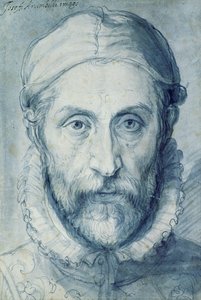
§ 4Artysta

Giuseppe Arcimboldo

Giuseppe Arcimboldo

1527 - 1593, Włochy

Krótkie informacje o Giuseppe Arcimboldo

  • Artistic Movement Or Style: Mannernismo, Surrealizm
  • Artists Or Movements Influenced By This Artist: ['Salvador Dalí']
  • Artists Who Influenced This Artist: ['Leonardo da Vinci']
  • Date Of Birth: 5 kwietnia 1527
  • Date Of Death: 11 lipca 1593
  • Full Name: Giuseppe Arcimboldo
  • Nationality: Włoski
  • Notable Artworks:
    • Portrety z owoców
    • Cztery pory roku
  • Place Of Birth: Mediolan, Włochy

Biografia artysty

Giuseppe Arcimboldo: A Master of Illusion and Symbol

Giuseppe Arcimboldo, a name synonymous with captivating visual puzzles and surreal portraits, remains one of the most singular figures in Renaissance art. Born in Milan in 1527, his life unfolded against the backdrop of a Europe brimming with intellectual curiosity, religious upheaval, and an insatiable desire to understand the natural world. Initially recognized for his skill in creating frescoes for churches and designing stained glass windows, Arcimboldo’s enduring legacy rests upon a series of extraordinary composite heads—elaborate portraits constructed entirely from meticulously arranged objects: fruits, vegetables, flowers, books, musical instruments, and even entire landscapes. These weren't mere tricks of the eye; they were complex allegories, imbued with layers of symbolism that resonated deeply within the Renaissance worldview and continue to intrigue viewers today. His father, Biagio Arcimboldo, a painter himself, provided young Giuseppe with an early artistic foundation, likely influencing his initial explorations in design and decorative arts. This foundational experience honed his technical skills and developed his keen eye for detail—qualities that would become central to the distinctive style he would later cultivate.

Courtly Patronage and Artistic Evolution

Arcimboldo’s career trajectory took a dramatic turn in 1562 when he was appointed court portraitist to Ferdinand I, the Archduke of Austria, at the Habsburg court in Vienna. This appointment marked a pivotal moment, transforming him from a regional artist into a sought-after figure within the most powerful family in Europe. Over the next two decades, he served as an artistic polymath for three successive Habsburg rulers: Maximilian II and his son, Rudolf II—both known for their intellectual pursuits and extravagant tastes. This courtly environment provided Arcimboldo with unprecedented opportunities to expand his creative horizons beyond traditional portraiture. He was tasked not only with painting portraits of the emperors but also with designing elaborate costumes for festivals, decorating imperial halls, organizing vast collections of art and curiosities, and even overseeing theatrical productions. It was within this atmosphere of refined taste and intellectual stimulation that Arcimboldo’s signature style began to fully develop—a unique blend of technical mastery, symbolic complexity, and playful visual wit. The Habsburg court's demand for novelty and spectacle fueled his experimentation, pushing him beyond conventional artistic boundaries and towards the creation of his iconic composite heads.

Decoding the Language of Objects: Symbolism and Allegory

Arcimboldo’s portraits are far more than simple visual illusions; they are intricate allegories laden with symbolic meaning. Each object meticulously arranged within a head—whether it's a cluster of fruits, a stack of books, or a collection of musical instruments—represents something deeper, reflecting the sitter’s character, profession, social status, or even broader philosophical concepts. For example, his portrait of Rudolf II as *Vertumnus*, the Roman god of gardens and seasons, is not merely a depiction of the emperor; it's a complex meditation on transformation, abundance, and the cyclical nature of life. The carefully chosen fruits and vegetables—pears, plums, melons, hazelnuts—each carry specific symbolic associations within Renaissance iconography, contributing to the overall message of the portrait. Similarly, his *The Librarian* is not simply a face constructed from books; it’s a subtle critique of scholarly pretension—a commentary on those who amass knowledge without truly engaging with its content. The animal tails forming the beard represent dusters, hinting at neglected volumes gathering dust on shelves. Arcimboldo's work was deeply rooted in Renaissance Neoplatonism, which emphasized the interconnectedness of all things and sought to reveal hidden harmonies within the natural world. His portraits were designed to provoke contemplation, inviting viewers to unravel layers of meaning concealed beneath the seemingly playful arrangement of objects.

The Rise of Surrealism: A Precursor to a New Vision

Despite his considerable success during his lifetime, Arcimboldo’s work largely faded from public awareness in the centuries following his death in 1593. His paintings were often dismissed as curiosities—appreciated for their technical skill but lacking serious artistic merit. It wasn't until the early 20th century that a renewed appreciation for his art emerged, fueled by the rise of Surrealism. Artists like Salvador Dalí recognized in Arcimboldo a kindred spirit—a visionary who dared to challenge conventional perceptions and explore the subconscious through unexpected juxtapositions of imagery. Dalí’s own dreamlike compositions and fascination with metamorphosis and illusion owe a significant debt to Arcimboldo's pioneering work. The influence of Arcimboldo can be seen in the way both artists manipulated reality, blurring the boundaries between representation and abstraction, and creating images that defy easy interpretation. Today, Giuseppe Arcimboldo is celebrated as a pivotal figure in art history—a precursor to Surrealism whose innovative use of symbolism, playful distortion, and masterful manipulation of visual illusion continues to inspire artists and captivate audiences worldwide.

Legacy and Artistic Influence

Arcimboldo’s legacy extends far beyond his individual works; he fundamentally altered the way artists approached portraiture and representation. His composite heads challenged traditional notions of identity and appearance, forcing viewers to engage with a more complex and layered understanding of the subject. His paintings are housed in prestigious museums around the world—including the Kunsthistorisches Museum in Vienna, the Louvre in Paris, and numerous galleries across Europe—ensuring that his unique vision will continue to resonate for generations to come. His influence can be seen in contemporary artists who explore themes of identity, symbolism, and the relationship between art and reality. Arcimboldo’s work serves as a powerful reminder of the enduring capacity of art to surprise, delight, and provoke profound reflection. His legacy is a testament to the boundless possibilities of artistic imagination.

§ 5Podobne dzieła

§ 6Pytania

Najważniejsze informacje

  • Location: Skoklosters Slott
  • Subject or theme: Animal portraiture
  • Year: 1591
  • Title: Birds
  • Artistic style: Naturalist illustration

Quiz o sztuce

Do każdego pytania dotyczy tylko jedna poprawna odpowiedź.

Pytanie 1:
What is the primary subject matter depicted in Giuseppe Arcimboldo’s ‘Birds’?
Pytanie 2:
Which artistic movement is most closely associated with Giuseppe Arcimboldo’s style?
Pytanie 3:
The watercolor technique used in ‘Birds’ is characterized by:
Pytanie 4:
Giuseppe Arcimboldo was known for creating composite portraits primarily from:
Pytanie 5:
What does the heron in ‘Birds’ often symbolize according to traditional interpretations?

§ 7Cytuj ten wpis

AllPaintingsStore.com, “Giuseppe Arcimboldo, Birds”, https://allpaintingsstore.com/pl/art/giuseppe-arcimboldo-birds-8XZ9AP-en/ArtistReproduction/ (dostęp dnia 12 Październik 2026).

§ 8Reprodukcja dzieła

Ręcznie malowana reprodukcja olejowa

Ręcznie malowany obraz olejny na płótnie, wykonany na zamówienie przez naszych artystów w wybranym przez Ciebie wymiarze i oprawie. ( Przełącz na wydania drukowane Przejdź do wersji cyfrowej)

Informacja ta widnieje na marginesie arkusza zamówienia; obecny stan tego arkusza przedstawia się następująco.

Birds

Technika reprodukcji

Wymiary reprodukcji

-

Wybitny mistrz artystyczny

Większa szczegółowość, finezja i dodatkowy czas na realizację

-

Opcje oprawy reprodukcji

-

-

W przypadku dzieł sztuki lub reprodukcji, których którykolwiek z boków przekracza 105 cm (około 41 cali), rama zostanie wysłana w formie zestawu do samodzielnego montażu. Metoda ta zapewnia bezpieczną dostawę i zapobiega uszkodzeniom podczas transportu.

Wymagany profesjonalny montaż – nie jest to produkt typu DIY.
Zestaw musi zostać złożony, a płótno naciągnięte przez doświadczonego profesjonalnego ramiarza, przy użyciu kleju do drewna (brak w zestawie), kleszczy do naciągania płótna oraz ścisków, które utrzymają krosna w równej pozycji podczas schnięcia kleju. Nieprawidłowy montaż lub nierównomierne napięcie płótna może trwale uszkodzić dzieło sztuki i nie podlega naszej gwarancji.

  • W zestawie znajdują się wszystkie listwy z litego drewna, precyzyjnie docięte do wymiarów.

  • Montaż odbywa się przy użyciu dołączonych wkrętów oraz kleju do drewna do łączenia narożników, którego zestaw nie zawiera i który musi zostać dostarczony przez ramiarza.

  • Wymagane są profesjonalne narzędzia, których nie ma w zestawie: kleszcze do naciągania płótna (napinacz) oraz zaciski, które pozwolą utrzymać listwy w równej pozycji podczas schnięcia kleju.

Ważne:
Do połączenia narożników niezbędny jest klej do drewna, listwy należy unieruchomić za pomocą ścisków do momentu całkowitego wyschnięcia kleju, a naciągnięcie płótna na złożoną ramę wymaga użycia kleszczy do naciągania płótna. Żaden z tych elementów nie jest dołączony do zestawu. Przed zamówieniem tego rozmiaru zalecamy konsultację z doświadczonym ramiarzem.

Etykieta obiektu

-

-

Lakier ochronny

Lakier z połyskiem (pogłębia kolory, chroni przed światłem i wilgocią)

-

Personalizacja dzieła

Przykłady możliwości personalizacji: zastąp twarz zdjęciem klienta; dodaj zwierzę domowe (np. zamień kota na psa); umieść ukrytą wiadomość w tle; zmień krajobraz lub elementy tła.

-

Ekspresowa

Dostawa na cały świat () w ciągu 3–4 tygodni zamiast standardowych 5 tygodni. (9 Listopad). Bez kompromisów w kwestii jakości.

-

Przesyłka ekspresowa

Dostawa na cały świat () w ciągu 5 tygodni. (16 Listopad).

W cenie

Cena całkowita

zł 1010

W każdym zamówieniu

  • Bezpłatna ekspresowa wysyłka na cały świat
  • Wysokiej jakości płótno lniane
  • Pełne ubezpieczenie przesyłki
  • Gwarancja zwrotu należności celnych i podatków importowych
  • Gwarancja wiernego odwzorowania kolorów
  • 100-dniowa polityka zwrotów (tylko w przypadku wad)
  • Gwarancja 100% zwrotu pieniędzy
  • Zniżka przy zakupie wielu sztuk
Arkusz zamówień